Do you experience an abnormal amount of period pain? Do you experience more cramps, nausea, exhaustion, and fatigue than your friends? You may feel throbbing, cramping, or even stabbing pain in your lower abdomen, lower back, and thighs. Although these symptoms can be common among women, the good news is there are things we can do to help!
Diet Do’s and Dont’s
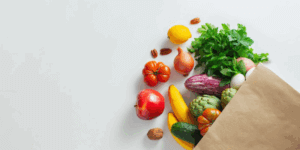
Diet is an important component of our overall health; we can ease period pain internally through nutrition! What we eat can directly affect how we feel during our period. Inflammatory foods can increase pain by raising prostaglandin levels, which trigger uterine contractions during menstruation, causing increased pain. Meanwhile, eating an anti-inflammatory diet rich in whole foods can help keep pain at bay!
Food to avoid:
- Alcohol
- Coffee
- Sugar
- Gluten
- Dairy
- Spicy food
- Foods you don’t personally tolerate well
Food to eat:
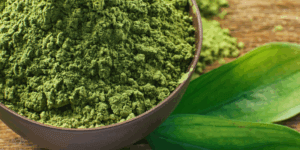
- Leafy green vegetables
- Ginger
- Tumeric
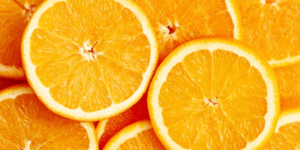
- Fruit
- Dark chocolate
- Fibrous carbs
- Lean meat
Gentle Exercise
Exercise can be an amazing way to manage your painful period symptoms, and I’m not talking about CrossFit, running, or high-intensity exercises! Slow and gentle movements like walking, yoga, and stretching can help relieve menstrual symptoms such as bloating, cramps, and nausea. With that being said, always be mindful of your body and make sure you are not pushing yourself too hard. Our aim is to create blood flow and relax our muscles, not to physically exhaust our already tired bodies. Take your movements slow to avoid making yourself feel worse!
Use a Heating pad
A heating pad can be a useful tool during your period to help reduce pain. Heat applied to the lower abdomen helps dilate blood vessels, increasing blood flow to the area. This can help ease muscle tension and relax the uterus, which contracts during menstruation. The warmth from a heating pad will help relax the muscles in your abdomen, helping to relieve the pain caused by cramps. Try using this for 30 minutes at a time as needed for the best results!
Acupuncture
Acupuncture is a type of traditional Chinese medicine that involves putting tiny needles into specific points on the body to promote healing and support pain relief. Speaking to a healthcare professional who can customize a treatment plan based on your specific needs can greatly reduce your period symptoms. Furthermore, acupuncturists can utilize various modalities to accentuate your treatment, such as heating lamps, herbal remedies, and other tools! This is a great way to manage period pain. Let’s go over some of the ways acupuncture can help you!
1. Support Pain Management
Acupuncture can help stimulate the release of endorphins and other neurotransmitters that can reduce the perception of pain. This natural pain-relieving effect can help alleviate menstrual cramps.
2. Improved blood flow
By targeting specific points in the body, acupuncture can improve blood circulation, especially in the pelvic area. Better blood flow can help relax the uterus and reduce cramping.
3. Balance Hormones
Through custom treatment plans and herbal remedies, acupuncture can help restore hormone balance, which allows the body to function optimally and reduce period pain.
Pain Relief Medication
If you’re experiencing severe pain that’s making it unbearable to sit still due to cramps, it can be helpful to take some pain medication. Consider taking a pain relief medication as needed to alleviate the pain, or even prevent it if taken before the painful cramps start. Remember to always take the medication with a meal to minimize stomach discomfort.
The Bottom Line
If you apply some of the tips we gave, you should be on your way to having less painful periods. If you found this helpful, share it with friends and family who struggle with painful periods!