
5 Natural Ways to Relieve a Headache
When a headache strikes, it’s natural to want relief as quickly as possible. The good news is that some simple habits may help ease headache pain,

Testosterone is an important hormone for men’s health. It plays a role in sex drive, muscle mass, bone strength, red blood cell production, and sperm production.
Many men want to maintain healthy testosterone levels, and diet is one part of the bigger picture. Getting enough nutrients, eating balanced meals, and maintaining a healthy body weight can all support overall health and normal hormone function.
But is there really a best diet for high testosterone?
There isn’t one specific diet that guarantees higher testosterone levels. Instead, the best approach is to focus on a balanced, sustainable eating pattern that provides enough protein, healthy fats, vitamins, and minerals.
Some nutrients are particularly important for normal testosterone production, especially if you’re not getting enough of them. At the same time, excessive alcohol consumption and consistently poor dietary habits can work against your overall health.
Let’s look at what to eat, what to limit, and how to build a diet that supports healthy testosterone levels.
You don’t need to follow an extreme diet or completely eliminate your favorite foods to support healthy hormones.
Diets such as keto, paleo, plant-based, and carnivore can all look very different. None is guaranteed to increase testosterone simply because of its label.
For most men, a more practical approach is to build meals around a variety of whole and minimally processed foods, including fruits, vegetables, protein-rich foods, healthy fats, and fiber-rich carbohydrates.
You can still enjoy desserts, restaurant meals, and other foods you like. The goal is to make nutritious choices the foundation of your diet while being mindful of habits that may affect your health over time.
Two areas worth paying attention to are added sugar and alcohol.
Sugar is not something you need to eliminate completely to maintain healthy testosterone levels.
Foods such as cookies, ice cream, cakes, and other desserts can fit into a balanced diet. What matters is how much you consume and how often these foods replace more nutrient-dense choices.
Consuming large amounts of added sugar can make it easier to take in more calories than your body needs. Over time, this may contribute to weight gain and excess body fat, which can be associated with lower testosterone levels in some men.
However, it’s too simplistic to say that eating sugar directly lowers testosterone every time insulin rises. Your body naturally releases insulin after eating carbohydrates, and this is a normal part of how it regulates blood sugar.
Instead of worrying about every gram of sugar, focus on your overall eating pattern. Get most of your carbohydrates from foods such as fruit, vegetables, oats, potatoes, beans, and whole grains, while enjoying sweets in moderation.
Alcohol is another factor worth considering when thinking about testosterone and men’s health.
Heavy or chronic alcohol consumption can interfere with normal reproductive hormone function and may negatively affect testosterone production. It can also disrupt sleep, affect recovery, and contribute to other health problems.
To understand why, it helps to know a little about how testosterone is produced.
The process involves communication between the hypothalamus in the brain, the pituitary gland, and the testes. The hypothalamus releases gonadotropin-releasing hormone (GnRH), which signals the pituitary gland to release luteinizing hormone (LH) and follicle-stimulating hormone (FSH). LH then signals the testes to produce testosterone.
Heavy alcohol use can interfere with this system and may also affect testicular function.
Potential effects of excessive alcohol consumption include:
This doesn’t mean you have to avoid alcohol entirely to support your health. However, drinking less generally reduces alcohol-related risks, and heavy or frequent drinking is worth addressing if you’re concerned about your hormones.
There isn’t one universal number of drinks per week that guarantees your testosterone will remain healthy. Your overall health, drinking pattern, and individual circumstances all matter.
Endocrine disruptors are chemicals that can interfere with the body’s hormone systems under certain circumstances. Some have been studied for their potential effects on reproductive health, including testosterone.
Examples include certain phthalates, bisphenols such as BPA, and some pesticides.
These substances can be found in a range of products and environments, including some plastics, food packaging, personal care products, and agricultural settings. However, the level of exposure and the potential health effects vary by chemical.
It’s important not to assume that every everyday exposure will disrupt your hormones or cause low testosterone. Research in this area is ongoing, and evidence differs across substances.
You can take some reasonable steps to reduce unnecessary exposure without becoming overly concerned about every product you use.
For example:
You don’t need to eliminate every possible source of exposure. Focus on practical habits rather than worrying about things you can’t completely control.
Now that we’ve covered some habits to be mindful of, let’s look at what to include in your diet.
The best diet for high testosterone isn’t built around one special food. It’s about consistently giving your body the energy and nutrients it needs to function properly.
1. Protein-Rich Foods
Protein helps your body maintain and repair muscle tissue, especially when combined with resistance training.
Good options include:
Protein itself isn’t a guaranteed testosterone booster. However, getting enough protein helps support muscle maintenance, recovery, and overall health.
If you exercise regularly, aim to include a protein source in your meals and choose an amount that fits your individual needs.
2. Healthy Fats
Dietary fat provides energy and helps your body absorb fat-soluble vitamins. Getting enough fat is also important for normal hormone function.
Good sources include:
You don’t need to eat an extremely high-fat diet to support testosterone. The goal is to get enough dietary fat while choosing a variety of sources, with an emphasis on unsaturated fats that support heart health.
Avoid unnecessarily restrictive diets that cut out entire food groups unless there’s a specific reason to follow them.
3. Zinc-Rich Foods
Zinc is an essential mineral involved in many processes throughout the body, including normal reproductive function.
Foods that provide zinc include:
Zinc deficiency can contribute to health problems and may affect testosterone levels. Correcting a deficiency can be beneficial, but taking extra zinc when you’re already getting enough does not necessarily increase testosterone.
It’s best to meet your needs through food when possible. If you’re considering a zinc supplement, avoid taking excessive amounts, as too much zinc can cause side effects and interfere with copper absorption.
4. Fruits and Vegetables
Fruits and vegetables provide vitamins, minerals, fiber, and other beneficial compounds that support overall health.
Try including a variety of options, such as:
No single fruit or vegetable is proven to reliably raise testosterone. Their value comes from contributing to a nutritious, balanced diet that supports your health over time.
5. Nutrient-Dense Carbohydrates
Carbohydrates provide energy for daily activities and exercise. You don’t need to cut them out to support healthy testosterone levels.
Useful options include:
The right amount depends on your activity level, calorie needs, and goals. If you’re training regularly, getting enough overall energy can help support performance and recovery.
Extremely restrictive eating or consistently consuming too few calories may work against your health and normal hormone function.
6. Fish and Seafood
Fish provides protein and important nutrients. Fatty fish such as salmon, sardines, and trout also provide omega-3 fatty acids.
Seafood can be a useful part of a balanced diet, but it isn’t a guaranteed way to increase testosterone. Think of it as one of several nutritious food choices you can rotate into your meals.
Aim for variety rather than relying on one food to do all the work.
Does Body Fat Affect Testosterone?
Body composition can be another important part of the picture.
Excess body fat, particularly when associated with obesity, is linked with lower testosterone levels in some men. Improving overall health and gradually losing excess body fat may help support hormone function in these cases.
However, this doesn’t mean that getting as lean as possible is the answer.
Consistently eating too few calories, losing weight too quickly, or following an overly restrictive diet can also affect normal hormone function.
A better approach is to aim for a healthy body weight, eat enough to meet your needs, exercise consistently, and avoid extreme approaches that are difficult to maintain.
Diet matters, but it isn’t the only factor that influences testosterone.
If your goal is to support healthy hormone function, pay attention to these habits as well.
Prioritize sleep. Aim for a consistent sleep schedule and enough sleep to feel rested. If you regularly snore heavily or feel excessively tired during the day, consider discussing possible sleep problems with a healthcare professional.
Exercise regularly. Resistance training can help build and maintain muscle, while cardiovascular exercise supports overall health. More exercise isn’t always better, so allow time for recovery.
Manage stress. Ongoing stress can affect sleep, mood, and daily habits. Find realistic ways to relax and recover.
Avoid chronic undereating. Your body needs enough energy and nutrients to support normal function. Extreme dieting can work against your health, especially when combined with intense exercise.
Address ongoing symptoms. If you’re experiencing persistent fatigue, a reduced sex drive, or other changes that concern you, don’t assume diet is the only explanation.
You may see supplements marketed as testosterone boosters, but the evidence varies widely between ingredients and finished products.
Certain nutrients, including zinc and vitamin D, are important for normal body function. If you’re deficient in a nutrient, correcting that deficiency may help address related health issues. Taking more than you need, however, doesn’t guarantee higher testosterone.
Some herbal ingredients, including ashwagandha, have been studied for their potential effects on stress, sleep, and aspects of male reproductive health. The research is still limited, and results from studies of individual ingredients don’t prove that every supplement containing them will have the same effects.
If you suspect you have low testosterone, supplements shouldn’t replace proper testing or medical advice. A healthcare professional can help determine whether your levels are low and whether an underlying condition needs attention.
So, what is the best diet for high testosterone?
There isn’t one perfect diet or a single food that guarantees higher testosterone levels. The most practical approach is to eat a balanced variety of foods, get enough protein and healthy fats, meet your nutritional needs, and maintain habits that support your overall health.
Be mindful of heavy alcohol consumption, excessive added sugar, and diets that are too restrictive. Prioritize sleep, exercise regularly, and avoid expecting any one food or supplement to solve a complex health issue.
If you’re experiencing symptoms that could be related to low testosterone, speak with a healthcare professional. A blood test and proper evaluation are more reliable than trying to judge your hormone levels based on symptoms alone.
You don’t need a perfect diet to support healthy testosterone. You need a balanced approach you can maintain over time.
— Eabha Organics
When a headache strikes, it’s natural to want relief as quickly as possible. The good news is that some simple habits may help ease headache pain,
If you’re trying to lose weight, you probably think about your diet, your workouts, and how many calories you eat. But there’s another factor that matters: how much you move throughout the day.
GLP-1 is a natural hormone that helps regulate blood sugar and appetite. Some medications mimic its effects, helping people feel full, eat less, and manage certain health conditions.
The ketogenic diet has become popular among people who want to lose body fat, improve their health, or change their body composition. By cutting carbohydrates and eating more fat, the goal is to get the body to rely more heavily on fat for fuel.
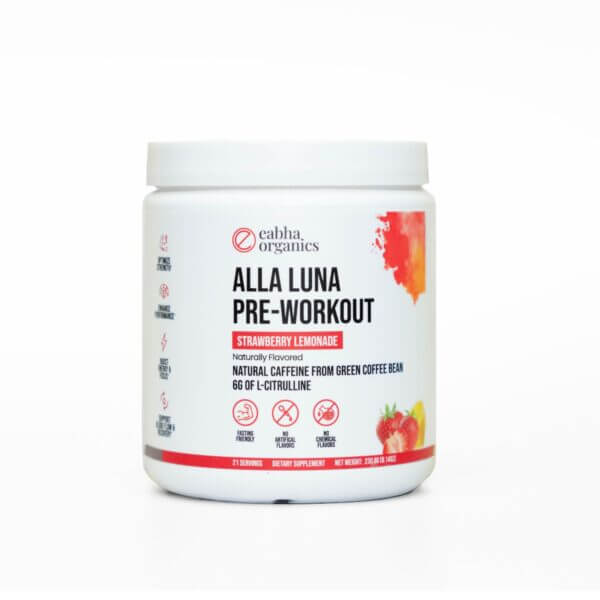
Whether you’re getting ready for a workout, heading out for the evening, or simply need a little extra energy and focus during the day, Alla Luna was designed to be a versatile part of your routine.
At Eabha Organics, collagen is one of our favorite protein supplements. Not because we believe it’s the only protein you need or that it’s better than every other option, but because collagen offers something different.




3 Responses