
5 Natural Ways to Relieve a Headache
When a headache strikes, it’s natural to want relief as quickly as possible. The good news is that some simple habits may help ease headache pain,
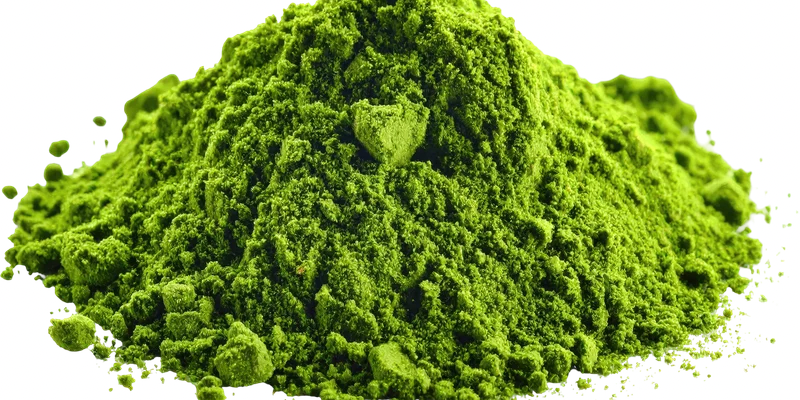
Greens powders have become increasingly popular in the health and wellness world.
You may have seen people mixing a bright green powder into water every morning and claiming that it provides the benefits of multiple servings of vegetables in one scoop. Are they actually necessary?
The short answer is no for most people.
Greens powders can be a convenient way to add certain nutrients and plant-based ingredients to your diet, but they aren’t a replacement for eating vegetables and other whole foods.
If you already eat a varied diet that includes plenty of vegetables, fruits, whole grains, beans, nuts, and seeds, you probably don’t need a greens powder to maintain a healthy diet.
However, that doesn’t mean greens powders are useless.
For some people, they can be a convenient supplement when their diet isn’t perfect or when they have difficulty consistently eating a variety of vegetables.
Let’s take a closer look at what greens powders are, what they can do, what they can’t do, and whether they’re worth adding to your routine.
Greens powders are dietary supplements made from a combination of powdered plant ingredients.
Depending on the product, they may contain ingredients such as:
Every product is different, so there isn’t one standard formula for every powder
Some products contain dozens of ingredients, while others focus on a smaller number of specific plant extracts or nutrients.
They’re usually mixed with water, juice, smoothies, or other beverages.
Because they’re convenient and easy to consume, greens powders have become especially popular among people who are busy, travel frequently, or struggle to eat enough vegetables.
For most people, greens powders are not necessary.
There is no requirement that you take a greens supplement to be healthy.
Your body doesn’t need a specific green powder to function properly.
Instead, your nutritional needs can generally be met through a balanced diet that provides a variety of whole foods.
Vegetables provide much more than isolated vitamins and minerals.
They contain fiber, water, carbohydrates, vitamins, minerals, and thousands of naturally occurring plant compounds.
Eating different types of vegetables also exposes you to different nutrients and plant compounds.
A greens powder may contain some of these nutrients, but it doesn’t necessarily provide the same nutritional experience as eating the whole food.
That’s why greens powders should generally be viewed as a supplement to a healthy diet—not a substitute for it.
This is one of the biggest misconceptions surrounding greens powders.
A greens powder may contain ingredients derived from vegetables, but that doesn’t mean one scoop is equivalent to eating several servings of whole vegetables.
Whole vegetables provide fiber, water, texture, and a combination of nutrients that may be altered or reduced during processing.
For example, eating a bowl of broccoli provides fiber and volume that you aren’t necessarily getting from a small scoop of powdered greens.
Whole foods also tend to be more filling because you’re actually eating them rather than drinking a concentrated powder.
So if you have the choice between:
Eating a variety of vegetables regularly
Taking a greens powder while rarely eating vegetables
The first option is generally the better foundation.
Although greens powders aren’t necessary, they can still have some potential benefits.
Convenience
The biggest advantage may simply be convenience.
If you’re traveling, working long hours, or struggling to prepare meals, mixing a scoop into water takes only a few seconds.
For someone who regularly skips vegetables, adding a greens powder may be easier than completely changing their diet overnight.
Nutrient Intake
Depending on the formula, greens powders can provide certain vitamins, minerals, and plant compounds.
Some products are specifically formulated to provide nutrients that may be lacking in a person’s diet.
However, the nutritional value varies dramatically between products.
One greens powder may contain meaningful amounts of certain nutrients, while another may contain relatively small amounts.
This is why reading the Supplement Facts label matters.
Additional Plant Compounds
Some greens powders contain ingredients such as spirulina, chlorella, green tea, or various herbs.
These ingredients contain naturally occurring compounds that may have biological effects.
However, more ingredients don’t automatically mean a better supplement.
A long ingredient list can look impressive, but what matters is whether the ingredients are present in useful amounts and whether there is evidence supporting the specific claims being made.
Convenience for People With Limited Diets
Some people have difficulty eating a wide variety of foods because of dietary preferences, food availability, appetite, or lifestyle.
In those situations, a greens powder may provide a convenient way to supplement an already decent diet.
It should still be considered an addition rather than a replacement for whole foods.
Greens powders are sometimes marketed as if they’re a shortcut to perfect nutrition.
They’re not.
A scoop of greens powder can’t make up for a diet that consistently lacks:
Nutrition is about the overall pattern of your diet.
Taking a greens powder every morning doesn’t cancel out an otherwise poor diet.
Likewise, you don’t need to take a greens powder simply because someone on social media says that everyone should.
The best supplement is one that addresses a specific need or provides convenient nutritional support—not one that exists because marketing makes you feel like you’re missing something.
If you’re wondering whether you should spend money on greens powder or simply buy more vegetables, whole vegetables should generally come first.
Vegetables provide:
Fiber:
Fiber supports digestion and contributes to feelings of fullness.
Water:
Many vegetables naturally contain a high amount of water.
Volume:
Whole vegetables add physical volume to meals, which can help with satiety.
Nutrients:
Vegetables provide a wide variety of vitamins, minerals, and plant compounds.
Variety:
Eating different vegetables exposes you to different combinations of nutrients.
Greens powders can still have a place in your routine, but they shouldn’t replace the foundation of your diet.
You may also see greens powders marketed heavily for digestive or gut health.
Some products contain fiber, probiotics, prebiotics, or plant ingredients that may influence the digestive system.
However, not every greens powder contains meaningful amounts of these ingredients.
And once again, whole foods are extremely important.
Your digestive system benefits from a wide variety of dietary fibers found in foods such as:
These foods provide different types of fiber that can be used by the microorganisms living in your gut.
So if your goal is to support a healthy gut, eating a diverse diet is generally a much stronger foundation than relying on a single powder.
If you decide that a greens powder makes sense for you, don’t simply buy the product with the biggest marketing claims.
Look at the label.
1. Check the Ingredients
Know what you’re actually consuming.
A product with dozens of ingredients isn’t automatically better.
2. Look at the Amounts
An ingredient list can look impressive, but the amount of each ingredient matters.
Some products use proprietary blends that make it difficult to determine exactly how much of each ingredient you’re getting.
3. Watch Added Ingredients
Some greens powders contain sweeteners, flavors, caffeine, or other added ingredients.
Make sure the product fits your individual preferences and needs.
4. Consider Third-Party Testing
Supplements are not regulated in exactly the same way as conventional foods, so quality can vary.
When possible, look for products that use appropriate quality-control and third-party testing practices.
5. Don’t Get Distracted by Marketing
Words such as “detox,” “cleanse,” “superfood,” and “alkalize” can sound impressive, but marketing language isn’t the same thing as scientific evidence.
Focus on what the product actually contains and what evidence exists for those ingredients.
“Detox” is one of the most common claims you’ll see in greens powder marketing.
Your body already has systems responsible for processing and eliminating substances it doesn’t need, including the liver and kidneys.
You don’t need a greens powder to “flush toxins” from your body.
That doesn’t mean vegetables aren’t healthy—they absolutely can be.
But it’s important to separate the proven nutritional benefits of plant foods from exaggerated detox claims.
A healthy diet, adequate hydration, regular physical activity, quality sleep, and avoiding harmful substances are much more meaningful components of overall health.
This depends on the person.
If you’re already eating plenty of vegetables and a varied diet, spending $40–$70 or more every month on a greens powder may provide relatively little additional value.
You may be better off spending that money on actual fruits and vegetables.
On the other hand, if you’re someone who travels frequently, has difficulty eating vegetables consistently, or wants a convenient nutritional supplement, a greens powder may be worth considering.
The key question isn’t:
A better question is:
“Does this product solve a nutritional problem I actually have?”
If the answer is no, you probably don’t need it.
A greens powder may be worth considering for someone who:
Even then, it should complement a healthy diet rather than replace it.
If you already eat a varied diet with plenty of vegetables and other plant foods, you probably don’t need a greens powder.
There’s nothing wrong with taking one if you enjoy it and it fits your budget, but it’s not a requirement for good health.
You don’t need to spend money on a supplement simply because you feel like you’re supposed to.
If your real goal is simply to eat more vegetables, start with simple changes.
Add spinach or peppers to eggs.
Put vegetables into your lunch.
Keep baby carrots or other easy vegetables available for snacks.
Add broccoli, green beans, or another vegetable to dinner.
Use frozen vegetables when fresh vegetables aren’t convenient.
Frozen vegetables can still be a nutritious and practical option.
The goal isn’t to make every meal perfect.
It’s to make eating vegetables a normal part of your routine.
So, are they necessary?
For most people, no.
Greens powders can be convenient and may provide certain nutrients and plant compounds, but they shouldn’t replace a diet built around whole foods.
Vegetables, fruits, beans, whole grains, nuts, and seeds provide a much broader range of nutrients and dietary fiber than a single scoop of powder.
If you already eat a varied diet, you probably don’t need a greens powder.
If you struggle to consistently eat a variety of plant foods, a greens powder may be a convenient supplement—but it should complement your diet rather than become an excuse to avoid vegetables.
The healthiest approach isn’t always the one with the newest powder, drink, or supplement.
Sometimes it’s simply eating more real food.
Use supplements to supplement your diet—not to replace it.
Talk Soon Eabha Organics
When a headache strikes, it’s natural to want relief as quickly as possible. The good news is that some simple habits may help ease headache pain,
If you’re trying to lose weight, you probably think about your diet, your workouts, and how many calories you eat. But there’s another factor that matters: how much you move throughout the day.
GLP-1 is a natural hormone that helps regulate blood sugar and appetite. Some medications mimic its effects, helping people feel full, eat less, and manage certain health conditions.
The ketogenic diet has become popular among people who want to lose body fat, improve their health, or change their body composition. By cutting carbohydrates and eating more fat, the goal is to get the body to rely more heavily on fat for fuel.
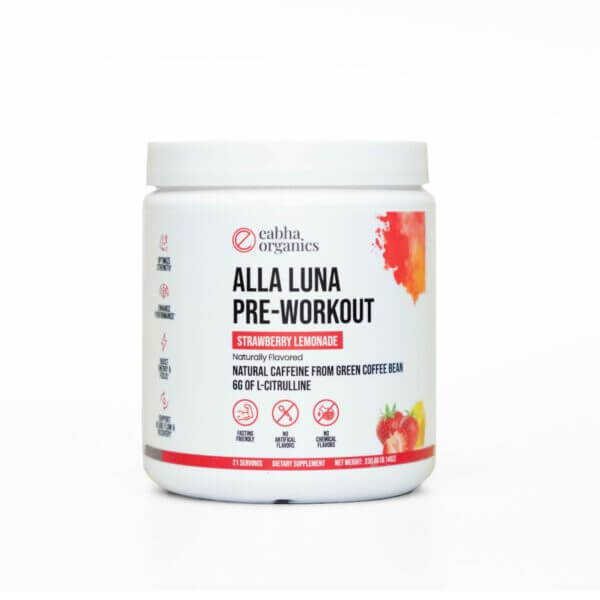
Whether you’re getting ready for a workout, heading out for the evening, or simply need a little extra energy and focus during the day, Alla Luna was designed to be a versatile part of your routine.
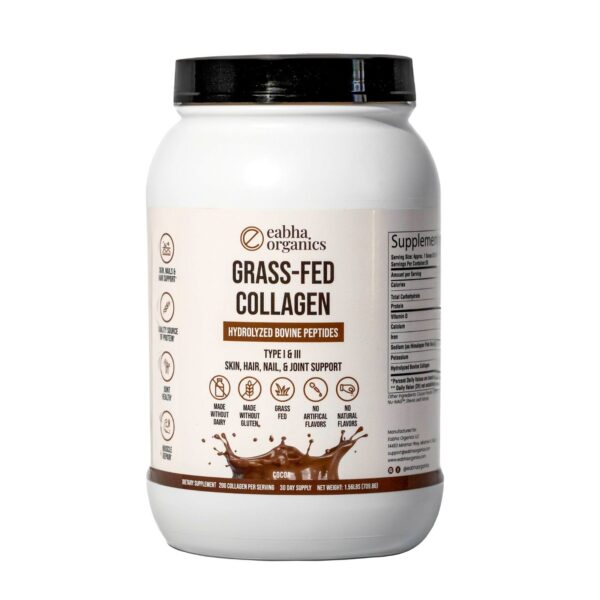
At Eabha Organics, collagen is one of our favorite protein supplements. Not because we believe it’s the only protein you need or that it’s better than every other option, but because collagen offers something different.