What Are the Real Benefits of Vitamin C? Let’s take a deep dive into this topic and find out how important this vitamin is for our body.
Vitamin C isn’t just the thing your mom gave you when you had a cold. It’s one of the most underrated nutrients out there — and if you’re into fitness, health, energy, or just wanna feel your best, you’ll want to know the benefits of vitamin C.
Let’s talk about what vitamin C actually does in your body, why it’s so important, and how to get more of it without overthinking it.
🧠 So What Does Vitamin C Actually Do?
Vitamin C (aka ascorbic acid) is a water-soluble vitamin — meaning your body doesn’t store it, and you’ve got to get it regularly from food or supplements.
It’s involved in a ton of essential functions, like:
- Immune system support – yes, it really does help. It boosts white blood cell production and function, which helps you fight off infections.
- Antioxidant protection – It helps protect your cells from free radical damage caused by stress, pollution, processed food, and intense exercise.
- Collagen production – Your body needs vitamin C to make collagen — that’s what keeps your skin, joints, and connective tissue strong and healthy.
- Iron absorption – It helps your gut absorb more iron from plant foods (huge for people who eat less meat).
- Wound healing – It plays a major role in repairing tissues.
- Brain function – Vitamin C is needed to make neurotransmitters like dopamine and serotonin.
Bottom line: if your body had a checklist of “stuff I need to function properly,” vitamin C would be near the top.
⚠️ Signs You Might Be Low on Vitamin C
Even though scurvy is rare these days, low vitamin C is still common — especially if you’re under a lot of stress (i.e. emotional, physical, and work or training-related)
- You don’t eat a lot of fruits and veggies
- You smoke or drink often
- You’re healing from surgery or an injury
- You’re an athlete or train hard consistently
Low levels can leave you feeling:
- tired
- foggy
- prone to getting sick
🍊What are the best food sources of vitamin C?
The best way to get vitamin C is through a whole food diet. Here are some foods that are naturally high in it:
- Red and green bell peppers (more than oranges!)
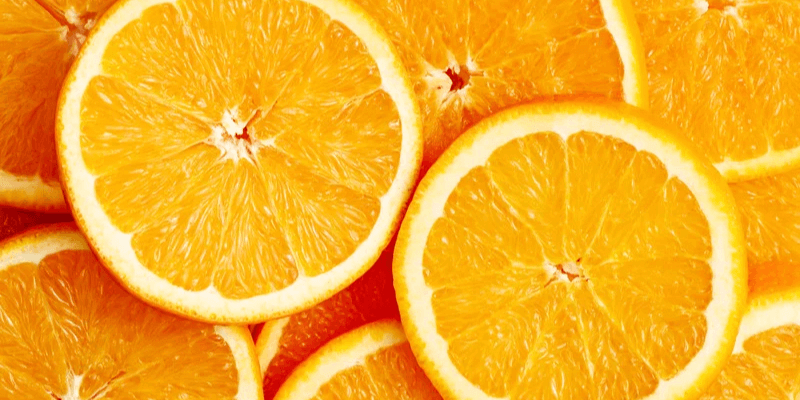
- Oranges, lemons, grapefruits
- Kiwis
- Strawberries
- Pineapple
- Broccoli
- Spinach
- Brussel sprouts
- Tomatoes
Pro tip: eat your vitamin C foods raw or lightly cooked. High heat can destroy it, so toss some fruit in a smoothie, eat a raw salad, or lightly steam your veggies.
💊 Should You Take a Vitamin C Supplement?
For most people, a good diet gives you enough — if you’re consistent. But here’s where supplements can make sense:
- You’re under high stress
- You don’t eat a lot of fresh produce
- You train hard or do endurance work
- You’re sick or around sick people
Most supplements offer 250–1,000mg per serving. Vitamin C is water-soluble, so extra gets flushed out — but mega-doses (like 3,000mg+ daily long-term) aren’t necessary unless your doctor recommends it. We like too do a modest dose inside a high quality multivitamin combined with a healthy whole-foods diet.
Look for:
- Buffered C (easier on the stomach)
- Liposomal C (better absorption)
- Or whole-food-based C from sources like acerola or camu camu
Remember: supplements should support your diet — not replace it.
🌱 The Bigger Picture
Here’s the thing — vitamin C is important, but it’s not some magic pill. What really gives you lasting energy, strong immunity, and better recovery is a combo of:
- Solid nutrition
- Regular exercise
- High quality sleep
- Stress management
Vitamin C is one of those simple, effective tools that can support all of the above — especially when you’re not hitting every area perfectly (which, let’s be honest, most of us are not).
🧾 Final Thoughts
The benefits of vitamin C go way beyond just “not getting sick.”
It’s essential for immune health, collagen, brain function, recovery, and more.
Start by eating more C-rich foods — fruits, veggies, citrus, peppers — and if life gets chaotic (because it will), a well-formulated vitamin C supplement can give you that extra backup your body needs.
Share with friends and family who need to take more vitamin C!
Talk soon,
Eabha Organics 🌿