Healthy Carb Sources: 7 Nutritious Carbs to Add to Your Diet
Carbohydrates have gotten a pretty bad reputation over the years.
You’ve probably heard that carbs make you gain weight, cause energy crashes, or should be avoided if you want to get lean. But carbohydrates themselves aren’t the problem. They’re an important source of energy and can absolutely be part of a healthy, balanced diet.
The bigger question is where your carbohydrates come from.
Foods like fruit, beans, lentils, potatoes, rice, whole grains, and vegetables can provide carbohydrates along with fiber, vitamins, minerals, and other nutrients. They can also be especially useful for people who exercise regularly because carbohydrates help provide energy for training and replenish muscle glycogen afterward.
Instead of trying to eliminate carbs, a better approach is to understand your options and choose foods that fit your goals, preferences, and overall diet.
Here are seven healthy carb sources worth adding to your meals.
1. Sweet Potatoes
Sweet potatoes are an easy way to add carbohydrates and nutrients to a meal.
They provide carbohydrates, fiber, potassium, vitamin C, and beta-carotene, which the body can convert into vitamin A. They’re also incredibly versatile.
You can roast them, bake them, mash them, or add them to salads and bowls.
Sweet potatoes can work particularly well around workouts because they provide a substantial source of carbohydrates while also bringing plenty of nutrients to the meal.
2. Beans
Beans are one of the most underrated healthy carb sources.
Black beans, kidney beans, chickpeas, and other varieties provide carbohydrates along with fiber and plant-based protein. They also contain important nutrients such as iron, folate, magnesium, and potassium.
Because beans contain a good amount of fiber and protein, they can be satisfying and make a meal more filling.
Try adding them to rice bowls, salads, soups, tacos, or simply serving them alongside your favorite protein.
3. Fresh or Frozen Fruit
Fruit is another excellent source of carbohydrates.
Yes, fruit contains sugar. But it also comes packaged with fiber, water, vitamins, minerals, and other beneficial plant compounds. That makes whole fruit very different from foods that contain large amounts of added sugar with little nutritional value.
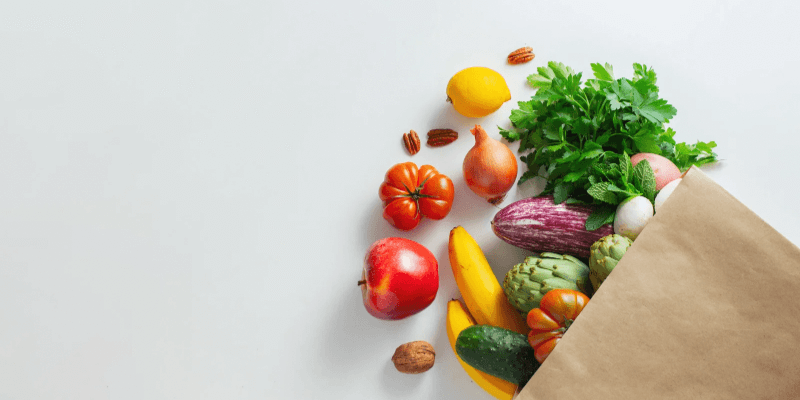
Bananas are a convenient source of carbohydrates and potassium and can be especially useful before or after a workout. Berries provide fiber and vitamin C, while apples and oranges are easy snacks that require almost no preparation.
Fresh and frozen fruit can both be nutritious choices. Add them to oatmeal, yogurt, smoothies, or simply enjoy them on their own.
There’s no need to be afraid of the natural sugars found in whole fruit.
4. Lentils
Lentils combine carbohydrates, fiber, and plant-based protein in one inexpensive and versatile food.
They also provide nutrients such as folate, iron, magnesium, and potassium.
Because lentils contain substantial amounts of fiber and protein, they can be particularly satisfying compared with many lower-fiber carbohydrate foods.
You can use them in soups, stews, curries, salads, or grain bowls. They’re also a great option for anyone looking to include more plant-based foods in their diet.
5. Rice
Rice often gets unfairly labeled as a “bad carb,” but there’s nothing inherently unhealthy about rice.
Both white and brown rice can fit into a healthy diet. Brown rice contains more fiber because the bran and germ remain intact, while white rice is more processed and tends to be easier and quicker to digest.
That difference can actually make white rice useful around exercise, particularly for people who prefer a lower-fiber meal before training.
The key isn’t choosing one type of rice and declaring the other “bad.” It’s about how the food fits into your overall diet.
Pair rice with a source of protein, vegetables, beans, or healthy fats to create a balanced meal.
6. Quinoa
Quinoa is technically a seed, but it’s commonly prepared and eaten like a grain.
It provides carbohydrates, fiber, magnesium, iron, and plant-based protein. Unlike many plant foods, quinoa also contains all nine essential amino acids, making it a complete protein source.
That combination makes quinoa a nutrient-dense option for meals and a useful alternative to rice or other grains.
Try it in grain bowls, salads, or as a side dish with your favorite protein and vegetables.
7. Vegetables
Vegetables are often thought of primarily as sources of vitamins and minerals, but they contain carbohydrates too.
Broccoli, carrots, peppers, peas, squash, leafy greens, and many other vegetables provide varying amounts of carbohydrates along with fiber and a wide range of micronutrients and plant compounds.
Non-starchy vegetables are generally low in calories and can add a lot of volume and nutrition to a meal.
Starchy vegetables such as potatoes, corn, peas, and winter squash provide more carbohydrates and can contribute more substantially to your overall energy intake.
Rather than focusing on whether a vegetable is “low carb” or “high carb,” aim for variety and include different types throughout the week.
Are Carbohydrates Healthy?
Carbohydrates aren’t inherently good or bad.
The quality of a carbohydrate-containing food depends on more than simply whether it contains carbs. Fiber, micronutrients, processing, portion size, and the rest of the meal all matter.
For example, a sweet potato, a bowl of lentils, and a serving of white rice can all be part of a healthy diet. They simply provide different combinations of nutrients and may work better in different situations.
Someone training intensely may need more carbohydrates than someone who is mostly sedentary. Someone trying to gain muscle may intentionally eat more carbohydrates to support training and recovery, while someone trying to lose weight may focus more closely on overall calorie intake.
There isn’t one perfect amount of carbohydrates that works for everyone.
How to Choose Healthy Carb Sources
Instead of automatically avoiding carbohydrates, look at the bigger picture.
Choose carbohydrate foods that provide nutrients you want and that you actually enjoy eating. Whole and minimally processed foods such as fruit, beans, lentils, potatoes, vegetables, and whole grains are excellent choices, but more refined options such as white rice can also have a place in a balanced diet.
Your overall eating pattern matters much more than labeling individual foods as “good” or “bad.”
And if you exercise regularly, carbohydrates can be particularly valuable because they help provide energy for training and replenish glycogen stores afterward.
Carbohydrates don’t need to be something you fear.
There are plenty of healthy carb sources that can provide energy, fiber, vitamins, minerals, and other nutrients while making your meals more enjoyable and satisfying.
Sweet potatoes, beans, fruit, lentils, rice, quinoa, and vegetables are just a few examples.
The goal isn’t to eliminate carbohydrates. It’s to build a balanced diet around foods that support your health, your activity level, and your individual goals.
At Eabha Organics, we believe nutrition should be about balance rather than unnecessary restriction. Eat well, train hard, enjoy your food, and find an approach you can actually maintain.
Talk soon,
Eabha Organics