
What Is Muscle Protein Synthesis? How It Builds Muscle
If you’re trying to build muscle, you’ve probably heard the term muscle protein synthesis, or MPS. It sounds complicated, but the basic idea is actually pretty simple.

The sun has been a part of human life since the beginning of time. We rely on sunlight for warmth, energy, and many important biological processes. But in recent years, the conversation around sun exposure has become complicated.
Some people view the sun as something to avoid completely because of the risks of skin damage, while others focus on the many potential health benefits of sunlight.
So, is the sun good for you?
The answer is: yes, sunlight can be beneficial for your health when enjoyed responsibly, but too much exposure can cause harm.
Like many things in life, balance matters. Getting enough sunlight can support important functions in your body, including vitamin D production, mood regulation, and maintaining a healthy sleep-wake cycle. However, excessive exposure without protection can increase the risk of sunburn, premature skin aging, and skin damage.
Understanding both the benefits and risks can help you make smarter decisions about sun exposure.
One of the biggest reasons sunlight is important is its role in vitamin D production.
When your skin is exposed to UVB rays from the sun, your body can begin producing vitamin D3. Vitamin D is an essential nutrient that plays several important roles throughout the body.
Vitamin D helps support:
Because vitamin D is involved in so many processes, maintaining adequate levels is important for overall health.
However, the amount of vitamin D your body produces from sunlight can vary depending on several factors, including:
For many people, especially those who spend most of their time indoors, getting enough vitamin D through sunlight alone can be challenging.
Many people wonder if sunlight can help support the immune system.
The relationship between sunlight and immunity is largely connected to vitamin D.
Vitamin D plays an important role in normal immune function, helping your body maintain healthy immune responses.
This does not mean that spending hours in the sun will prevent illness or replace a healthy lifestyle. However, getting adequate vitamin D through sunlight, diet, or supplementation can be one piece of supporting overall wellness.
A strong immune system is built through many daily habits, including:
Sunlight can be one part of that bigger picture.
One of the most noticeable effects of sunlight is how it can influence mood.
Exposure to natural light helps regulate your body’s internal clock, also known as your circadian rhythm. This system helps control when you feel awake and when your body prepares for sleep.
Getting natural sunlight, especially earlier in the day, can help signal to your body that it is time to be alert and active.
Many people also report feeling better mentally when they spend time outside.
Sunlight exposure has been associated with the release of chemicals in the brain involved in mood regulation, which is one reason outdoor activities can feel refreshing and energizing.
Simple habits like taking a morning walk outside, exercising outdoors, or spending time in natural light can be beneficial additions to a healthy lifestyle.
The benefits of sunlight go beyond vitamin D.
Spending time outdoors can encourage healthy behaviors, including:
For example, someone who takes a daily walk outside may benefit not only from sunlight exposure but also from the movement itself.
Health is rarely about one single factor. The combination of regular activity, proper nutrition, quality sleep, and healthy lifestyle habits creates the biggest impact over time.
While sunlight can provide important health benefits, too much sun exposure can also have negative effects.
The goal is not to avoid the sun completely. Instead, the goal is to enjoy sunlight responsibly while protecting your skin from excessive UV exposure.
One of the most obvious signs of too much sun exposure is sunburn.
A sunburn occurs when ultraviolet (UV) radiation damages skin cells. Even though a sunburn may fade after a few days, the damage caused by UV exposure can accumulate over time.
Repeated sunburns can contribute to:
This is why avoiding burns is one of the most important parts of healthy sun habits.
A little sunlight can be beneficial, but burning your skin is a sign that you have exceeded what your body can safely handle.
The same UV rays that help your body produce vitamin D can also damage the DNA inside skin cells when exposure is excessive.
Over time, repeated UV exposure without protection can contribute to changes in the skin.
This doesn’t mean you need to fear being outside. Outdoor activity is an important part of a healthy lifestyle.
It simply means that smart sun habits matter.
Protecting your skin becomes especially important during:
A common question is: how much sunlight is enough?
The truth is that there is no single answer for everyone.
Sun exposure needs vary based on:
People with lighter skin typically produce vitamin D more quickly than people with darker skin because melanin affects how UV radiation interacts with the skin.
Location and Season
Someone living in a sunny climate may get much more UV exposure than someone living somewhere with long winters and limited sunlight.
UV levels are usually stronger around the middle of the day, meaning shorter exposure may be enough compared with early morning or late afternoon.
The more skin exposed, the greater the opportunity for vitamin D production.
Because everyone’s situation is different, the goal should be finding a healthy balance rather than chasing a specific amount of time in the sun.
Healthy sun exposure is about balance.
Here are some practical ways to enjoy the benefits of sunlight while reducing unnecessary risk:
The most important rule is simple: avoid sunburn.
If your skin starts turning red or feeling irritated, it is a sign that you have had too much exposure.
For extended outdoor activities, sunscreen, protective clothing, hats, and shade can help reduce excessive UV exposure.
This is especially important during long days outside when UV exposure can add up.
You don’t need to spend hours in direct sunlight to benefit from being outside.
Short periods of outdoor time, especially combined with movement like walking or exercising, can be a great addition to a healthy routine.
Sunlight is only one part of overall wellness.
A healthy lifestyle also includes:
No single habit creates health by itself. Long-term wellness comes from consistently practicing many positive habits.
For some people, vitamin D supplementation may be useful, especially if they have limited sun exposure or difficulty maintaining healthy vitamin D levels.
Factors such as indoor lifestyles, geographic location, clothing choices, and individual differences can all affect vitamin D status.
If you are concerned about your vitamin D levels, speaking with a healthcare professional and checking your levels through appropriate testing can help you understand what your body needs.
Sunlight can be an important part of a healthy lifestyle.
Responsible sun exposure can help your body produce vitamin D3, support normal immune function, improve your connection with the outdoors, and help regulate your natural sleep-wake cycle.
However, more sun is not always better.
Excessive exposure, especially repeated sunburns, can lead to skin damage and increase health risks over time.
The goal is balance.
Enjoy time outdoors, get natural sunlight when possible, and protect your skin when exposure becomes excessive. Just like nutrition, exercise, and supplementation, sunlight is most beneficial when approached with consistency and moderation.
At Eabha Organics, we believe health is built through daily habits. Quality nutrition, movement, recovery, and smart lifestyle choices all work together to support long-term wellness.
Sunlight can be one piece of that foundation when enjoyed responsibly.
Talk Soon Eabha Organics
If you’re trying to build muscle, you’ve probably heard the term muscle protein synthesis, or MPS. It sounds complicated, but the basic idea is actually pretty simple.
If you’ve been learning about amino acids and muscle growth, you’ve probably heard one name come up again and again: Leucine
If you spend any time around fitness, you’ve probably heard of BCAAs. They’re everywhere. You’ll see them in powders, workout drinks, and supplements marketed for muscle growth and recovery.
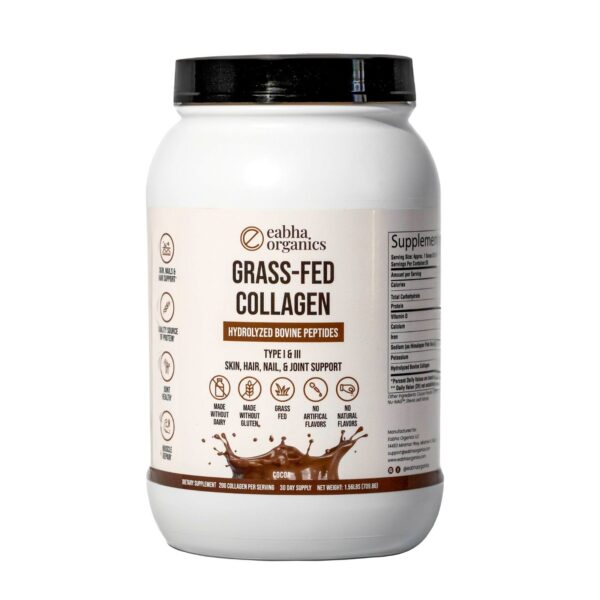
If you’re looking for the best collagen powder, you’ve probably noticed that there are a lot of options.
Some collagen products contain only a small amount of protein per serving.
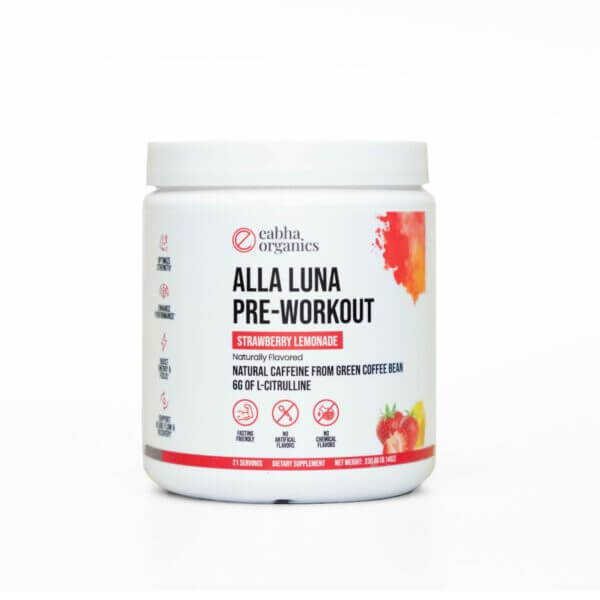
Your Pre-Workout Might Be Missing This If you’ve ever looked at a pre-workout label, you’ve probably noticed one ingredient immediately:
Sugar has become one of the most controversial foods in nutrition. One person says you should avoid sugar completely. Another says sugar is perfectly fine. Then there are people who avoid fruit because they think its natural sugar is just as harmful as the sugar in soda.