Is Walking Enough Exercise?
Walking is one of the simplest and most accessible forms of exercise. You don’t need an expensive gym membership, fancy equipment, or years of experience to get started. All you need is a comfortable pair of shoes and a little consistency
If your goal is improving your overall health, increasing your daily activity, or beginning a fitness journey, walking can be an excellent form of exercise. However, if you’re trying to build significant muscle mass or maximize athletic performance, walking alone probably isn’t enough.
Let’s take a closer look at the benefits of walking and how it can fit into a healthy lifestyle.
Is Walking Enough Exercise?
For many people, the answer is yes.
Walking regularly can improve your heart health, support weight management, increase energy levels, improve mood, and lower your risk of several chronic diseases.
In fact, health experts consistently recommend walking because it’s sustainable. Unlike extreme workout programs, walking is something most people can continue for years.
The best exercise isn’t necessarily the hardest one; it’s the one you can stick with consistently.
The Benefits of Walking
Walking provides far more benefits than many people realize.
Supports Heart Health
Walking helps strengthen your heart and improve circulation. Regular walking has been associated with healthier blood pressure, improved cholesterol levels, and a reduced risk of heart disease.
Helps Maintain a Healthy Weight
Walking burns calories and can support weight management when combined with a balanced diet.
While it may not burn as many calories as running, walking is easier on the joints and can be done more frequently.
Improves Mental Health
A daily walk can reduce stress and help improve your mood.
Many people find that even a 20–30 minute walk helps clear their mind and reduce everyday stress.
Increases Energy
It may sound surprising, but moving more often can actually help you feel less tired.
Regular walking improves circulation and oxygen delivery throughout the body, helping you feel more energized during the day.
Can Walking Help You Lose Weight?
Yes.
Walking can absolutely be part of a successful weight-loss plan.
Weight loss ultimately comes down to maintaining a calorie deficit, and walking helps increase the number of calories you burn each day.
Adding a daily walk after meals or in the evening is a simple way to increase activity without placing excessive stress on your body.
The key is consistency.
Walking for 30–60 minutes several times per week can make a meaningful difference over time.
Is Walking Enough to Build Muscle?
This is where the answer changes.
If your primary goal is building muscle, walking alone is not enough.
Muscle growth requires resistance training that progressively challenges your muscles.
Strength training exercises such as squats, presses, rows, and deadlifts provide the stimulus your muscles need to grow.
Walking can support recovery and improve overall fitness, but it won’t replace resistance training if your goal is gaining muscle.
How Much Should You Walk Each Day?
There isn’t one perfect number.
Many people aim for 7,000–10,000 steps per day, but the best target is one you can consistently achieve.
If you’re currently walking very little, even increasing your daily steps by 2,000–3,000 can have significant health benefits.
Remember that every step counts.
The goal is to move more than you did yesterday.
How to Make Walking More Effective
If you’d like to get even more out of your walks, try these simple tips:
- Walk at a brisk pace.
- Walk on hills or inclines.
- Swing your arms naturally.
- Add short intervals of faster walking.
- Walk consistently throughout the week.
Small improvements can make your walks more challenging while still remaining low impact.
Walking and Overall Fitness
Walking works best as part of a complete fitness routine.
A balanced approach includes:
- Regular walking or cardio
- Strength training two to four times per week
- A nutritious diet
- Quality sleep
- Proper hydration
If you strength train, staying hydrated and fueling your body properly are just as important as your workouts.
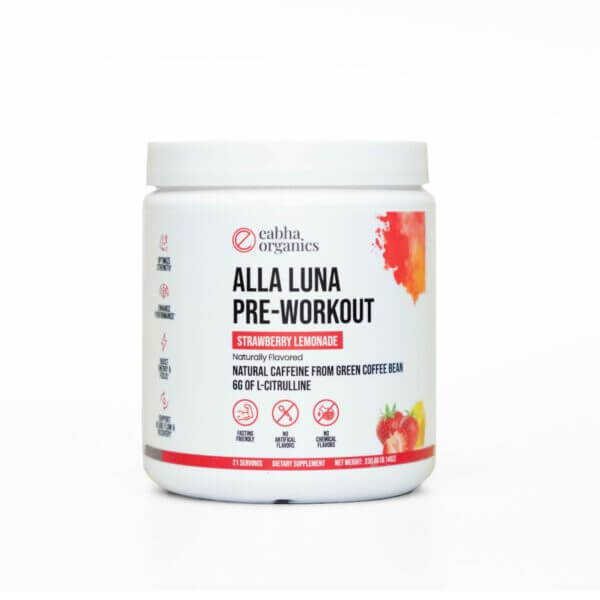
Many active individuals also choose a quality pre-workout to help support energy and focus before training sessions. Combined with good nutrition and consistent exercise, these healthy habits can help you perform at your best.
Final Thoughts
So, is walking enough exercise?
For improving general health, increasing daily activity, and supporting long-term wellness, absolutely.
Walking is one of the best exercises you can do because it’s simple, effective, and sustainable.
However, if your goal is building muscle or maximizing strength, walking should complement—not replace—a structured resistance training program.
The most important thing is finding an activity you enjoy and can stay consistent with. Whether it’s a daily walk around your neighborhood, lifting weights at the gym, or combining both, regular movement is one of the best investments you can make in your health.
At Eabha Organics, we believe lasting results come from simple habits practiced consistently. Walking more, eating well, staying hydrated, recovering properly, and exercising regularly all work together to help you become healthier, stronger, and more energized over time.