
What Is GLP-1? Medications, Benefits, Risks, and Weight Loss
GLP-1 is a natural hormone that helps regulate blood sugar and appetite. Some medications mimic its effects, helping people feel full, eat less, and manage certain health conditions.

If you’re trying to eat more protein, you’ve probably wondered whether collagen actually counts toward your daily protein intake.
The short answer is yes: collagen is a source of protein and contributes to your total daily protein intake.
However, there’s an important distinction.
Collagen protein has a different amino acid profile than many of the complete protein sources you may already eat, such as meat, eggs, dairy, and whey protein.
That means collagen can count toward your daily protein total, but it shouldn’t necessarily be your only source of protein.
Let’s take a closer look.
Collagen is the most abundant protein in the human body and provides structural support for tissues such as skin, bones, cartilage, tendons, and ligaments.
Collagen supplements are typically made from animal sources such as bovine, porcine, chicken, or marine collagen.
Many supplements use hydrolyzed collagen peptides, which are collagen proteins that have been broken down into smaller peptide chains to make them easier to mix and digest.
Because collagen is a protein, the grams listed on a collagen supplement’s nutrition label contribute to your daily protein intake.
For example, if a serving of collagen provides 20 grams of protein, those 20 grams are part of the protein you consume that day.
But there’s more to protein than simply counting grams.
Yes.
Collagen is a protein made up of amino acids, just like other dietary proteins.
If you consume collagen through food or a collagen supplement, your body digests it and breaks it down into amino acids and peptides that can be used throughout the body.
So if you’re tracking your daily protein intake, collagen should be included in your total.
However, collagen has a unique amino acid profile.
It is particularly rich in amino acids such as:
These amino acids are important components of collagen and connective tissues.
Collagen is different from many other protein sources because it doesn’t provide the same balance of essential amino acids as a complete protein.
No, collagen is generally considered an incomplete protein.
A complete protein contains all nine essential amino acids in sufficient amounts.
Collagen is relatively low in some essential amino acids, including tryptophan, and therefore doesn’t provide the same amino acid profile as complete protein sources such as eggs, dairy, meat, or whey.
This doesn’t make collagen a bad protein.
It simply means that collagen serves a different nutritional purpose.
Think of protein sources as having different strengths.
Whey protein is particularly useful for supporting muscle protein synthesis because it provides all nine essential amino acids and is rich in leucine.
Collagen is rich in glycine, proline, and hydroxyproline, which are characteristic amino acids found in connective tissues.
This is why it’s useful to look beyond the number of grams of protein on the label.
Yes.
If you’re tracking your protein intake, you can count the protein from collagen toward your daily total.
For example, imagine someone has a daily protein target of 150 grams.
If they consume:
That adds up to 150 grams of protein.
The collagen doesn’t disappear simply because it’s an incomplete protein.
It still provides protein and amino acids.
However, that doesn’t mean you should replace most of your complete protein intake with collagen.
For people focused on building or maintaining muscle, the majority of their protein should generally come from high-quality sources that provide all essential amino acids.
Collagen can be an additional source of protein that serves a different purpose.
One of the easiest ways to understand collagen is to compare it with other common protein sources.
Whey Protein
Whey is a complete protein derived from milk and is particularly rich in leucine and other essential amino acids.
It’s widely used by athletes and people trying to build muscle because it effectively supports muscle protein synthesis.
Eggs
Eggs are another complete protein source and provide all nine essential amino acids.
They also contain important nutrients such as choline, vitamin B12, selenium, and other micronutrients.
Meat and Fish
Meat and fish provide complete protein along with a variety of vitamins and minerals.
They’re excellent options for people who want to increase protein through whole foods.
Collagen
Collagen provides protein but has a different amino acid profile.
It’s particularly rich in glycine, proline, and hydroxyproline and is commonly used by people interested in supporting skin, joints, bones, and connective tissue.
This is why collagen and traditional protein supplements don’t necessarily have to compete with each other.
They can serve different roles in a person’s overall nutrition plan.
There isn’t one universal collagen dose that everyone needs.
The amount used in research varies depending on the product, the type of collagen, and the specific goal being studied.
Many collagen supplements provide somewhere around 10–20 grams of collagen peptides per serving.
The most important thing is to follow the serving instructions for the specific product you’re using rather than assuming that more is always better.
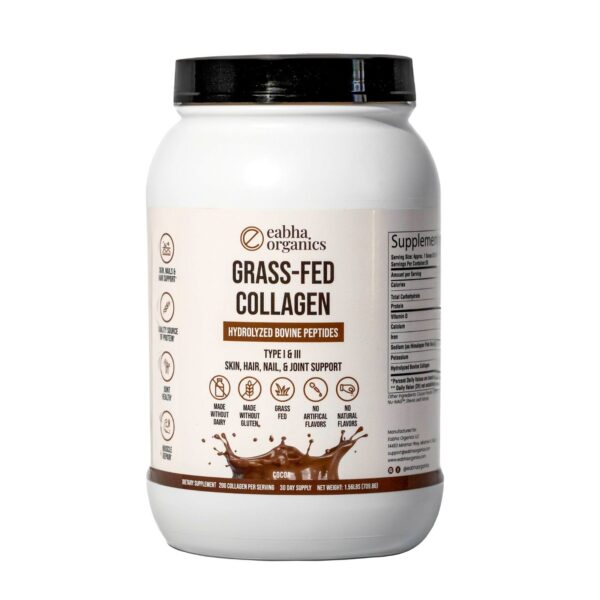
For example, Eabha Organics Grass-Fed Collagen provides 20 grams of hydrolyzed bovine collagen peptides per serving.
Those 20 grams count toward your total daily protein intake while also providing the amino acids naturally found in collagen.
It depends on what you’re using the protein powder for.
If your primary goal is simply increasing your total protein intake, collagen can contribute to that goal.
However, collagen shouldn’t generally be viewed as a one-for-one replacement for a complete protein such as whey.
If you’re trying to maximize muscle growth, you’ll want to regularly consume adequate amounts of complete or high-quality protein sources that provide all of the essential amino acids your body needs.
For example, someone might use whey protein after a workout to help meet their protein needs while using collagen as part of their daily wellness routine.
You don’t necessarily have to choose one or the other.
Yes.
There is no general reason that you can’t include both collagen and another protein supplement in the same diet.
They simply provide different amino acid profiles.
For example, you could add collagen to your morning coffee or smoothie and use whey protein in a post-workout shake.
This approach allows you to get protein from multiple sources while using collagen specifically for its unique amino acid composition.
The important thing is to look at your overall daily protein intake, rather than relying on one supplement to provide all of your protein.
There isn’t a universally established “perfect” time of day to take collagen.
You can take collagen in the morning, afternoon, evening, or around your workout depending on what fits your routine.
Consistency is generally more important than a specific time.
Many people find collagen convenient because it can easily be mixed into:
Choosing a time when you’re most likely to remember it can make it easier to use consistently.
Collagen contributes protein, but it isn’t considered the best protein source for maximizing muscle protein synthesis.
That’s because collagen is low in some essential amino acids and contains less leucine than many complete protein sources.
If building muscle is your primary goal, prioritize adequate total protein from a variety of high-quality sources along with resistance training.
Collagen can still have a place in an active lifestyle because it provides amino acids that are important components of connective tissue.
In other words, collagen and muscle-building protein don’t have to be competing choices.
They can complement one another.
People commonly use collagen supplements for goals beyond simply increasing protein intake.
Research has investigated collagen supplementation in areas such as:
The amount of evidence varies depending on the specific benefit, and collagen shouldn’t be viewed as a cure or guaranteed solution for any health condition.
Instead, think of collagen as one potential tool that can complement a balanced diet and healthy lifestyle.
If you’re considering adding collagen to your routine, pay attention to the ingredients and sourcing.
Look for products that clearly identify:
At Eabha Organics, our Grass-Fed Collagen is made with hydrolyzed bovine collagen peptides and provides 20 grams of collagen protein per serving.
We focus on simple ingredients and avoid artificial flavors and unnecessary harsh additives.
Collagen is protein, and the grams you consume should be included when you’re calculating your total daily protein intake.
However, collagen has a different amino acid profile from complete proteins such as whey, eggs, meat, and fish.
That means collagen can be a useful addition to your diet, but it shouldn’t necessarily replace the majority of your complete protein sources—especially if your primary goal is building or maintaining muscle.
The best approach is to think about your overall diet rather than focusing on one supplement.
Eat a variety of protein-rich foods, meet your overall protein needs, train consistently if fitness is a goal, and use supplements when they genuinely make sense for your lifestyle.
Collagen can be one piece of that bigger picture.
It counts as protein—but its value goes beyond simply the number of grams on the label.
GLP-1 is a natural hormone that helps regulate blood sugar and appetite. Some medications mimic its effects, helping people feel full, eat less, and manage certain health conditions.
The ketogenic diet has become popular among people who want to lose body fat, improve their health, or change their body composition. By cutting carbohydrates and eating more fat, the goal is to get the body to rely more heavily on fat for fuel.
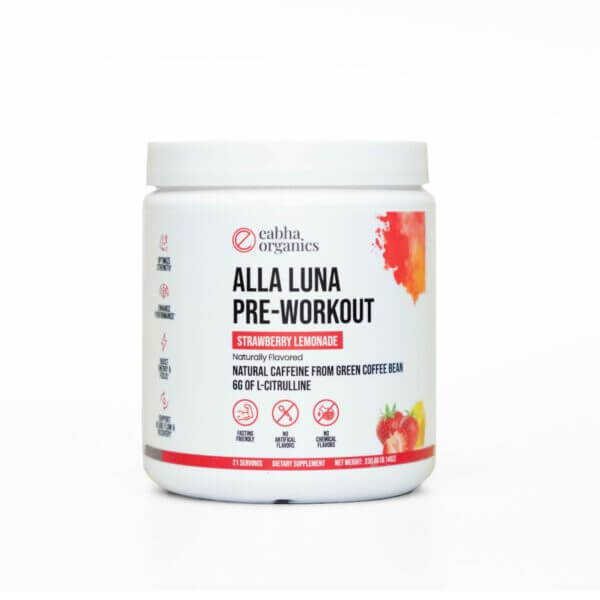
Whether you’re getting ready for a workout, heading out for the evening, or simply need a little extra energy and focus during the day, Alla Luna was designed to be a versatile part of your routine.
At Eabha Organics, collagen is one of our favorite protein supplements. Not because we believe it’s the only protein you need or that it’s better than every other option, but because collagen offers something different.
Fruit and vegetables are some of the most nutrient-dense foods you can include in your diet. They provide vitamins, minerals, fiber, antioxidants, and other compounds that support overall health.
Metabolism is much more than how quickly you burn calories. It refers to the many chemical processes happening throughout your body that keep you alive, provide energy, and allow your body to grow, repair itself, and function properly.