How Long Does It Take to Build Muscle?
One of the most common questions people ask when starting a fitness journey is How long does it take to build muscle?
Whether you’re new to the gym or have been training for years, it’s natural to want to see results as quickly as possible. Unfortunately, muscle growth doesn’t happen overnight. Building muscle is a gradual process that requires consistent training, proper nutrition, quality recovery, and patience.
The good news is that if you’re following the right approach, your body can begin adapting much sooner than you may think.
In this article, we’ll discuss how long it takes to build muscle, what factors influence muscle growth, and what you can do to maximize your results.
How Does Muscle Growth Happen?
Before understanding how long it takes to build muscle, it’s important to understand how muscle growth actually occurs.
When you perform resistance training, such as lifting weights, you create small amounts of stress and microscopic damage within muscle fibers. Your body responds by repairing and rebuilding those fibers stronger than before.
Over time, this process leads to increased muscle size and strength, a process known as muscle hypertrophy.
However, muscle growth only occurs when the body has the resources it needs to recover properly. This includes:
- Adequate protein intake
- Sufficient calories
- Quality sleep
- Consistent training
- Proper recovery
Without these factors, progress can slow significantly.
How Long Does It Take to Build Muscle?
The honest answer is that it depends.
Most beginners can start noticing small improvements in strength within the first few weeks of training. However, visible muscle growth typically takes longer.
For most people:
- Strength improvements can occur within 2–4 weeks
- Visible muscle changes may begin around 6–8 weeks
- Significant muscle growth often takes several months of consistent effort
It’s important to understand that muscle growth is a long-term process. Social media often creates unrealistic expectations, but real muscle gain requires time and consistency.
If you’re training properly and eating enough to support recovery, you can make excellent progress over the course of a year.
How Much Muscle Can You Realistically Gain?
Another important question is how much muscle someone can actually build.
While genetics play a role, most natural lifters can expect:
Beginners
- 1–2 pounds of muscle per month during the first year
Intermediate Lifters
- 0.5–1 pound of muscle per month
Advanced Lifters
- Slower rates of growth as they approach their genetic potential
This is why beginners often see the fastest results. Their bodies are adapting to training for the first time and respond very efficiently.
As you gain experience, progress continues but generally occurs at a slower pace.
Factors That Affect Muscle Growth
If you’re wondering how long does it take to build muscle, several factors influence the answer.
Training Intensity
One of the biggest factors is how hard you’re training.
To stimulate muscle growth, your workouts should challenge your muscles consistently over time. This is often referred to as progressive overload.
Progressive overload means gradually increasing:
- Weight
- Repetitions
- Training volume
- Overall workout difficulty
Without progression, muscle growth tends to stall.
Nutrition
Training creates the stimulus for growth, but nutrition provides the building blocks.
Protein is particularly important because it supplies the amino acids your body uses to repair and build muscle tissue.
Many active individuals struggle to consistently consume enough protein throughout the day. This is where convenient protein sources can be helpful.
Our grass-fed collagen provides a simple way to increase daily protein intake while supporting recovery and overall wellness. While collagen should not be your only protein source, it can be a valuable addition to a balanced diet focused on muscle growth.
Sleep and Recovery
Many people focus heavily on training while overlooking recovery.
Muscle is not built during your workout.
Muscle is built while recovering from your workout.
Poor sleep can negatively impact:
- Recovery
- Hormone production
- Energy levels
- Performance
- Muscle growth
Most adults should aim for 7–9 hours of quality sleep each night.
Common Mistakes That Slow Muscle Growth
Many people become frustrated because they expect results quickly.
Often, the issue isn’t that muscle growth is slow—it’s that certain mistakes are holding them back.
Not Eating Enough
Building muscle requires energy.
Many people unintentionally under-eat, making it difficult for their bodies to recover and grow.
Inconsistent Training
Training hard for one week and then missing multiple workouts the next week will significantly slow progress.
Consistency is often more important than perfection.
Not Consuming Enough Protein
Protein provides the raw materials necessary for muscle repair and growth.
Aiming for adequate daily protein intake can make a significant difference in long-term results.
Poor Recovery
Recovery includes:
- Sleep
- Stress management
- Hydration
- Rest days
Ignoring recovery can limit progress even if training and nutrition are good.
Can Supplements Help Build Muscle?
Supplements are not magic, but they can help support your overall training program.
The foundation should always be:
- Consistent training
- Proper nutrition
- Quality sleep
Once those are in place, certain supplements may help improve performance and recovery.
Pre-Workout
One challenge many people face is bringing enough energy and intensity to their workouts.
A quality pre-workout can help support:
- Energy
- Focus
- Endurance
- Workout performance
The harder and more effectively you train, the greater the stimulus for muscle growth.
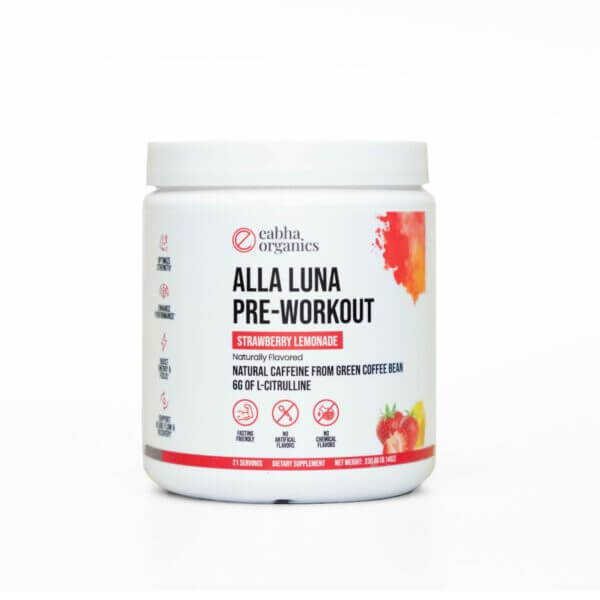
Our Alla Luna Pre-Workout was designed to provide clean energy and focus without artificial sweeteners, helping support productive training sessions and long-term consistency.
Protein Support
Protein remains one of the most important nutrients for muscle growth.
Adding convenient protein sources throughout the day can make it easier to meet daily intake goals and support recovery between workouts.
The Importance of Patience
People often become discouraged when they don’t see immediate changes.
The reality is that muscle growth is often slower than people expect.
However, small improvements add up over time.
If you consistently:
- Train hard
- Eat enough protein
- Prioritize recovery
- Stay patient
Your results can be dramatic over months and years.
The people who build the most muscle are often not the ones with the perfect program.
They’re the ones who stay consistent long enough for their efforts to compound.
Final Thoughts
While strength gains can appear within a few weeks, visible muscle growth usually takes several months of consistent training and proper nutrition.
Building muscle is a long-term process that requires patience, discipline, and realistic expectations.
Focus on training consistently, eating enough protein, prioritizing recovery, and improving your performance over time.
If you do those things consistently, muscle growth will follow—and the results a year from now may be far greater than you imagine.
Talk Soon Eabha Organics