
5 Natural Ways to Relieve a Headache
When a headache strikes, it’s natural to want relief as quickly as possible. The good news is that some simple habits may help ease headache pain,

Vitamin B12, also known as cobalamin, is an essential water-soluble vitamin that plays several important roles in the body. From supporting red blood cell formation to maintaining healthy nerve function and helping your body produce DNA, vitamin B12 is necessary for many everyday processes.
One interesting thing about vitamin B12 is that your body can store substantial amounts of it, primarily in the liver. Because of these reserves, deficiency symptoms can take years to develop in some people. However, once a deficiency occurs, it can affect your blood cells, nervous system, and overall health.
So, what are the main vitamin B12 benefits, where can you get it, and who may need a supplement? Let’s take a closer look.
One of the most important functions of vitamin B12 is helping your body produce healthy red blood cells.
Red blood cells carry oxygen from your lungs to the rest of your body. Vitamin B12 is needed for normal DNA synthesis, which allows developing blood cells to grow and divide properly.
When your body doesn’t have enough B12, red blood cell production can become abnormal. The cells may become unusually large and develop improperly, leading to a condition called megaloblastic anemia.
This type of anemia can reduce your blood’s ability to transport oxygen effectively. Common symptoms include fatigue, weakness, shortness of breath, and lightheadedness.
Because these symptoms can have many possible causes, persistent fatigue shouldn’t automatically be attributed to low B12. A healthcare professional can use blood tests and your medical history to determine whether a deficiency is contributing to your symptoms.
Maintaining adequate vitamin B12 intake is an important part of supporting normal red blood cell production and oxygen transport throughout the body.
Vitamin B12 is essential for maintaining a healthy nervous system. It helps support the protective covering around nerves, known as myelin, and contributes to normal nerve function.
When B12 levels become too low, nerve damage can develop. Some people experience tingling or numbness in their hands and feet, balance problems, difficulty concentrating, or changes in memory.
One important detail is that neurological symptoms can occur even when someone doesn’t have anemia. This means a person may have a B12 deficiency without noticing the typical signs associated with low red blood cell counts.
Vitamin B12 also plays a role in the production and metabolism of certain substances involved in brain function. However, that doesn’t mean taking extra B12 will automatically improve memory, concentration, or mood when your levels are already adequate.
Adequate B12 is important for normal brain and nerve function, and identifying a deficiency early can help prevent complications.
Vitamin B12 is involved in several processes that support normal brain function, including the metabolism of compounds used to produce neurotransmitters. These chemical messengers help nerve cells communicate and influence functions such as mood, attention, and behavior.
Low vitamin B12 levels have been associated with depressive symptoms in some research. However, this relationship is complex, and a deficiency does not automatically cause depression.
Correcting a B12 deficiency is important for overall health and may help with symptoms related to the deficiency. But current evidence does not establish vitamin B12 supplementation as a reliable treatment for depression in people who already have adequate levels.
If you’re experiencing persistent low mood, anxiety, or changes in mental well-being, it’s worth speaking with a healthcare professional rather than assuming a vitamin deficiency is responsible.
Getting enough vitamin B12 is one part of maintaining overall health, but mental health depends on many factors, including sleep, stress, medical conditions, and individual circumstances.
Vitamin B12 is important during pregnancy because it supports DNA synthesis, red blood cell formation, and the development of the baby’s nervous system.
Adequate B12 is particularly important for people who enter pregnancy with low levels or have difficulty absorbing the vitamin. Insufficient B12 during pregnancy has been associated with certain adverse pregnancy outcomes, although the strength of evidence varies by outcome.
It’s also important to distinguish vitamin B12 from folate, another B vitamin that plays a particularly well-established role in preventing neural tube defects. Both nutrients are important, but they are not interchangeable.
People who are planning to become pregnant or are already pregnant should discuss their nutritional needs with a healthcare professional. Those following vegan diets or those with a history of B12 deficiency may need particular attention to their intake and status.
A balanced diet and appropriate prenatal supplementation can help meet nutritional needs during pregnancy. A healthcare professional can advise whether additional B12 is necessary based on individual circumstances.
Vitamin B12 is best known for its role in blood and nerve health, but researchers have also investigated its relationship with bone mineral density and fracture risk.
Some observational studies have found associations between lower B12 levels and poorer bone health. However, these findings do not prove that low B12 directly causes bone loss or that taking a supplement prevents osteoporosis.
Bone health depends on several factors, including calcium and vitamin D intake, physical activity, age, genetics, hormonal changes, and overall nutrition.
Vitamin B12 contributes to normal cellular processes throughout the body, making adequate intake important. Still, if your goal is to maintain strong bones, it’s best to focus on a broader approach that includes appropriate nutrition, weight-bearing exercise, and medical guidance when needed.
More research is needed to determine whether B12 supplementation provides specific benefits for bone health beyond correcting a deficiency.
Vitamin B12 deficiency can develop gradually, and symptoms may be easy to overlook at first. Some people experience fatigue or weakness, while others develop neurological symptoms.
Common signs and symptoms can include:
These symptoms are not specific to B12 deficiency and can have many other causes. Some neurological effects can become lasting if a deficiency goes untreated, so it’s important to seek medical advice if you suspect you may be deficient.
A healthcare professional can assess your symptoms and determine whether blood testing or further evaluation is appropriate.
Vitamin B12 occurs naturally in animal-derived foods, while certain fortified foods provide it as well.
Good sources include fish, shellfish, meat, poultry, eggs, milk, and other dairy products. Some breakfast cereals, plant-based milks, and nutritional yeast products are fortified with B12, although the amount varies by product.
For people who eat animal products regularly, a varied diet may provide enough B12. However, people following vegan diets need a reliable source of fortified foods or a B12 supplement because unfortified plant foods are not dependable sources of this vitamin.
Adults generally need 2.4 micrograms of vitamin B12 per day. Requirements are slightly higher during pregnancy and breastfeeding.
Your needs may differ if you have a condition that affects absorption or take certain medications, so intake recommendations alone don’t always tell the whole story.
Not everyone needs a vitamin B12 supplement. However, supplementation can be particularly useful for people who don’t get enough from their diet or who have difficulty absorbing the vitamin.
Groups who may be more likely to need additional attention include:
If you suspect a deficiency, it’s better to identify the cause than simply start taking high doses. Treatment depends on whether the problem comes from low dietary intake, poor absorption, or another underlying issue.
Vitamin B12 supplements are generally considered safe at recommended doses, but taking more than you need does not necessarily provide additional benefits.
Vitamin B12 is an essential nutrient that supports healthy red blood cell formation, DNA synthesis, and normal brain and nervous system function. It also plays an important role during pregnancy, while research continues to investigate its potential relationship with mood and bone health.
The best way to approach vitamin B12 is to make sure you’re getting enough through food, fortified products, or supplements when needed. People who follow vegan diets, have absorption problems, or are at increased risk of deficiency may need particular attention to their B12 intake.
If you’re experiencing symptoms such as persistent fatigue, numbness, or balance difficulties, speak with a healthcare professional rather than assuming a deficiency is the cause.
At Eabha Organics, we believe good supplementation starts with understanding what your body needs. Supplements can be valuable tools, but they work best when they’re chosen for a clear reason and used alongside a balanced approach to nutrition and health.
— Eabha Organics
When a headache strikes, it’s natural to want relief as quickly as possible. The good news is that some simple habits may help ease headache pain,
If you’re trying to lose weight, you probably think about your diet, your workouts, and how many calories you eat. But there’s another factor that matters: how much you move throughout the day.
GLP-1 is a natural hormone that helps regulate blood sugar and appetite. Some medications mimic its effects, helping people feel full, eat less, and manage certain health conditions.
The ketogenic diet has become popular among people who want to lose body fat, improve their health, or change their body composition. By cutting carbohydrates and eating more fat, the goal is to get the body to rely more heavily on fat for fuel.
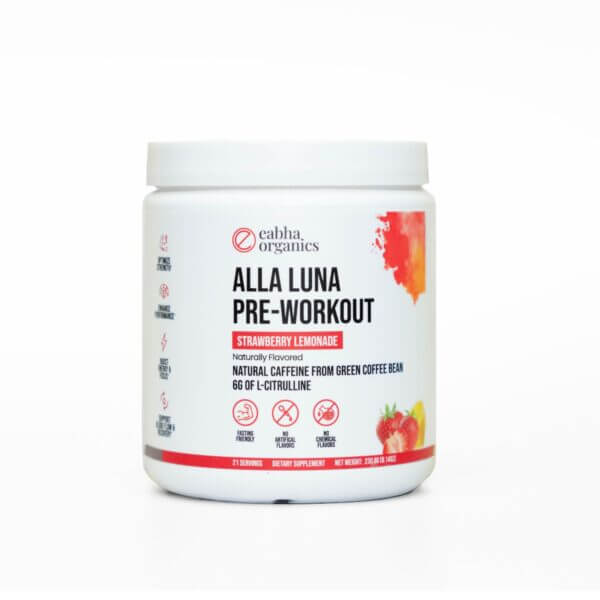
Whether you’re getting ready for a workout, heading out for the evening, or simply need a little extra energy and focus during the day, Alla Luna was designed to be a versatile part of your routine.
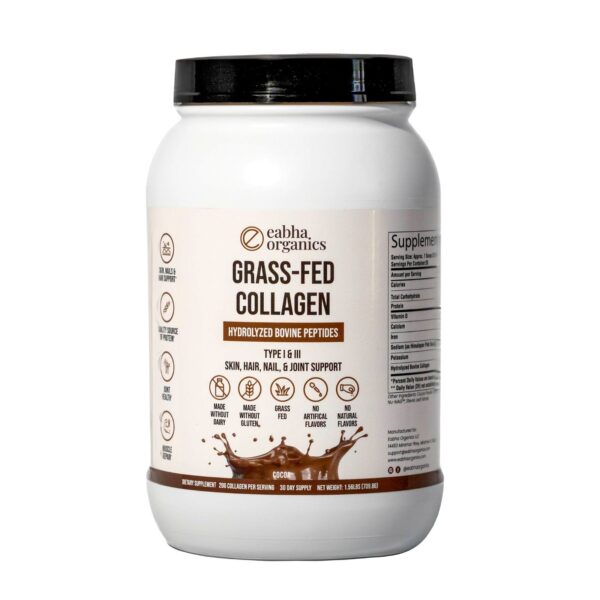
At Eabha Organics, collagen is one of our favorite protein supplements. Not because we believe it’s the only protein you need or that it’s better than every other option, but because collagen offers something different.





One Response