
How to Improve Your Gut Health Naturally
Your gut health plays an important role in your overall well-being. Your digestive system helps break down food, absorb nutrients, and support many of the processes your body relies on every day.
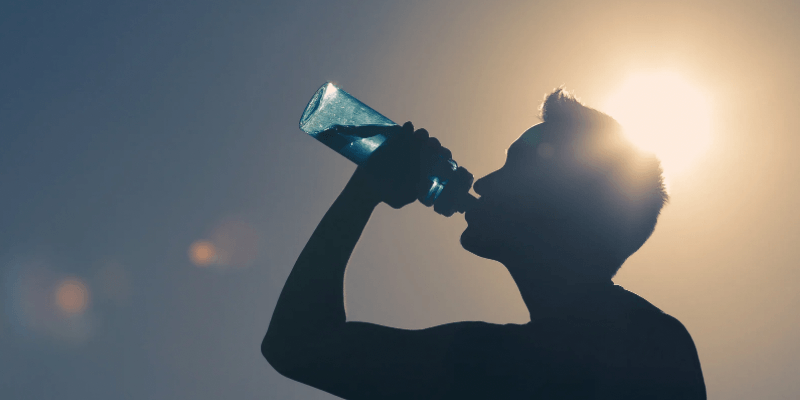
Water is one of the most important nutrients your body needs, yet it’s often overlooked. Whether your goal is building muscle, improving athletic performance, losing weight, or simply feeling your best, staying hydrated plays a major role in your overall health.
The answer isn’t as simple as drinking eight glasses of water every day. Your hydration needs depend on several factors, including your body size, activity level, climate, and overall health.
In this guide, we’ll explain how much water you should drink each day, why hydration matters, and simple ways to stay properly hydrated.
Your body is made up of roughly 50–70% water, and nearly every system relies on it to function properly.
Water helps:
Even mild dehydration can affect how you feel and perform throughout the day.
For most healthy adults, a good starting point is:
These totals include fluids from beverages and water-rich foods like fruits and vegetables.
However, these numbers are only general guidelines.
If you’re physically active, live in a hot climate, or sweat heavily during workouts, you’ll likely need more water than someone with a more sedentary lifestyle.
Exercise
The harder and longer you train, the more fluids you lose through sweat.
Strength training, running, cycling, and outdoor activities can all increase your hydration needs.
A good habit is to drink water before, during, and after your workouts to replace lost fluids.
Climate
Living in a hot or humid environment naturally increases sweating, meaning you’ll need more water throughout the day.
If you spend time outdoors during the summer months, it’s especially important to stay hydrated.
Body Size
Larger individuals generally require more water than smaller individuals because they have more body tissue that depends on proper hydration.
Diet
Certain foods also affect hydration.
Fruits and vegetables provide water naturally, while diets high in sodium may increase your need for fluids.
Many people don’t realize they’re mildly dehydrated.
Common signs include:
One of the easiest ways to monitor hydration is by checking the color of your urine. Pale yellow usually indicates you’re well hydrated, while darker urine often suggests it’s time to drink more fluids.
Yes, but it’s uncommon.
Drinking excessive amounts of water in a short period can dilute sodium levels in the blood, leading to a condition called hyponatremia.
For most healthy people, simply drinking when you’re thirsty and increasing your intake during exercise or hot weather is a practical approach.
Instead of forcing yourself to drink gallons of water, focus on staying consistently hydrated throughout the day.
A common myth is that coffee completely dehydrates you.
While caffeine can have a mild diuretic effect, research shows that coffee and tea still contribute to your daily fluid intake.
That doesn’t mean they should replace water, but you don’t have to avoid caffeine altogether
caffeine altogetherThe goal is to make water your primary source of hydration while recognizing that other beverages can also contribute.
Proper hydration can make a noticeable difference in your workouts.
When you’re well hydrated, it’s easier to maintain energy, endurance, and focus during training.
Many people focus on pre-workout supplements while forgetting the importance of drinking enough water.
In reality, hydration should always come first.
A quality pre-workout can help support energy and focus during exercise, but it works best alongside proper hydration. Drinking enough water before your workout helps your body perform at its best and supports overall exercise performance.
If you struggle to stay hydrated, you’re not alone. Fortunately, a few small habits can make a big difference.
Here are some easy ways to increase your daily water intake:
Having water with you throughout the day makes it much easier to drink consistently. Keep a bottle at your desk, in your car, or in your gym bag.
Drink Water Before Meals
Having a glass of water before breakfast, lunch, and dinner is an easy habit that can significantly increase your daily intake.
Many fruits and vegetables contain a surprising amount of water.
Some excellent choices include:
These foods contribute to your overall hydration while providing important vitamins and minerals.
Thirst is one sign your body needs fluids, but you don’t have to wait until you’re thirsty to drink water.
Sipping water consistently throughout the day is often a better strategy than drinking large amounts all at once.
There are plenty of myths surrounding hydration. Let’s clear up a few of the most common ones.
Myth #1: Everyone Needs Exactly Eight Glasses a Day
This is probably the most well-known hydration myth.
While eight glasses can be a reasonable goal for some people, there’s no single number that’s perfect for everyone.
Your individual needs depend on your activity level, climate, diet, and body size.
Myth #2: If You’re Not Thirsty, You’re Hydrated
Not always.
Some people—especially older adults—may not feel thirsty even when they need more fluids.
Paying attention to your daily habits and urine color can be more reliable than thirst alone.
Myth #3: Sports Drinks Are Better Than Water
For most workouts lasting under an hour, plain water is usually all you need.
Sports drinks can be useful during prolonged, intense exercise or endurance events, but they often contain added sugars that aren’t necessary for everyday training.
While water doesn’t directly build muscle, it plays an important supporting role in the muscle-building process.
Proper hydration helps support:
If you’re dehydrated, your workouts may suffer, making it harder to train with the intensity needed for long-term progress.
So, how much water should you drink a day?
There isn’t a one-size-fits-all answer.
For most healthy adults, aiming for roughly 2.7 liters (91 ounces) per day for women and 3.7 liters (125 ounces) per day for men is a great starting point. From there, adjust your intake based on your activity level, climate, and individual needs.
The most important thing is consistency.
Carry a water bottle, drink regularly throughout the day, and pay attention to how your body feels. Small habits practiced every day can have a big impact on your overall health and fitness.
At Eabha Organics, we believe that lasting results are built on simple daily habits. Staying hydrated, eating a balanced diet, exercising consistently, and getting enough rest are the foundation of long-term wellness. Supplements can support those habits—but they should never replace them.
If your goal is to feel better, perform better, and live a healthier lifestyle, don’t overlook one of the simplest tools available: drinking enough water every day.
Your gut health plays an important role in your overall well-being. Your digestive system helps break down food, absorb nutrients, and support many of the processes your body relies on every day.
Anxiety is something many people experience at different points in their lives. Whether it’s caused by work, financial pressure, relationships, or everyday stress, feeling anxious can affect your mood, sleep, concentration, and overall well-being.
When a headache strikes, it’s natural to want relief as quickly as possible. The good news is that some simple habits may help ease headache pain,
If you’re trying to lose weight, you probably think about your diet, your workouts, and how many calories you eat. But there’s another factor that matters: how much you move throughout the day.
GLP-1 is a natural hormone that helps regulate blood sugar and appetite. Some medications mimic its effects, helping people feel full, eat less, and manage certain health conditions.
The ketogenic diet has become popular among people who want to lose body fat, improve their health, or change their body composition. By cutting carbohydrates and eating more fat, the goal is to get the body to rely more heavily on fat for fuel.





One Response