Is Soreness a Sign of a Good Workout?
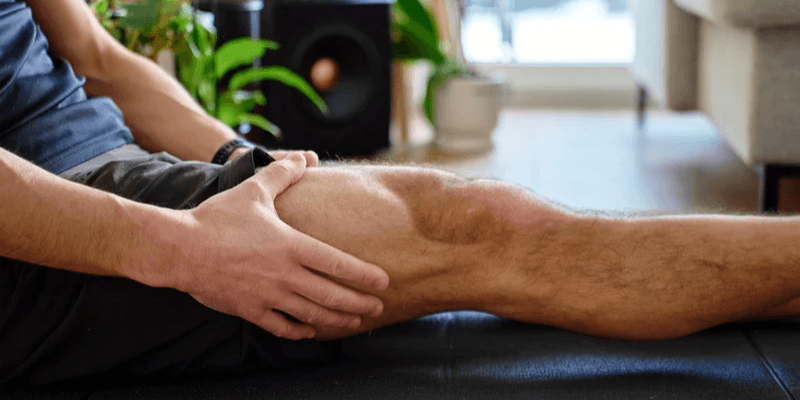
After a tough workout, it’s common to wake up the next morning feeling sore. Walking up stairs suddenly feels harder, sitting down is uncomfortable, and every movement reminds you of yesterday’s workout.
For many people, soreness has become a badge of honor. If they’re sore, they assume they had a great workout. If they aren’t sore, they worry they didn’t train hard enough. Is it a sign of a good workout?
The short answer is: not necessarily.
While muscle soreness can happen after an effective workout, it’s not the best way to measure progress. Understanding what soreness actually means can help you train smarter and avoid common mistakes that slow your results.
What Is Muscle Soreness?
The type of soreness most people experience after exercise is called Delayed Onset Muscle Soreness (DOMS).
DOMS usually begins:
- 12–24 hours after exercise
- Peaks around 24–72 hours
- Gradually improves over several days
It often occurs after:
- Trying a new exercise
- Increasing training volume
- Lifting heavier weights
- Performing slow lowering (eccentric) movements
This soreness is your body’s normal response to unfamiliar or challenging exercise.
What Causes Muscle Soreness?
For years, many people believed soreness was caused by lactic acid.
We now know that’s not true.
Lactic acid leaves your muscles shortly after exercise and is not responsible for soreness the next day.
Instead, soreness is believed to result from small amounts of muscle damage, inflammation, and your body’s repair process following challenging exercise.
This repair process is completely normal and helps your body adapt over time.
so is soreness a sign of a good affective workout?
The answer is sometimes but not always.
Soreness simply means your muscles experienced a stimulus they weren’t fully adapted to.
That can happen because:
- You increased weight
- You performed more repetitions
- You changed your workout
- You tried a new exercise
However, soreness is not required for muscle growth.
You can build muscle while experiencing very little soreness.
Likewise, you can be extremely sore after an ineffective workout.
Soreness alone does not tell you whether your workout was successful.
Can You Build Muscle Without Getting Sore?
Absolutely.
As your body adapts to consistent training, soreness usually decreases.
This is actually a good sign.
It means your muscles have become more efficient at recovering from the stress you’re placing on them.
Many experienced lifters rarely experience severe soreness despite continuing to gain strength and muscle.
Instead of using soreness to measure progress, focus on:
- Increasing weight over time
- Performing more repetitions
- Improving exercise technique
- Recovering well
- Staying consistent
These are much better indicators of long-term muscle growth.
Why Beginners Get More Sore
If you’re new to resistance training, you’ll probably experience more soreness than someone who’s been lifting for years.
That’s because your body is adapting to a completely new stimulus.
The good news is that this usually improves after several weeks of consistent training.
As your muscles adapt, soreness becomes less noticeable even though your workouts remain productive.
When Soreness Is Normal—and When It Isn’t
Mild to moderate soreness after training is completely normal.
You might notice:
- Muscle tenderness
- Tightness
- Stiffness
- Temporary reduction in strength
However, not all pain is normal.
Stop training and seek medical advice if you experience:
- Sharp or stabbing pain
- Swelling around a joint
- Pain that gets worse instead of better
- Loss of normal movement
- Significant bruising
Joint pain and muscle soreness are not the same thing.
Learning the difference can help prevent injuries.
How to Recover Faster
Recovery plays a major role in building muscle and improving performance.
Here are some simple ways to support recovery.
Prioritize Sleep
Sleep is one of the most powerful recovery tools available.
During sleep, your body repairs damaged tissue and supports muscle growth.
Aim for 7–9 hours of quality sleep each night.
Eat Enough Protein
Protein provides the amino acids your body needs to repair and build muscle.
Many active adults struggle to consistently reach their daily protein goals.
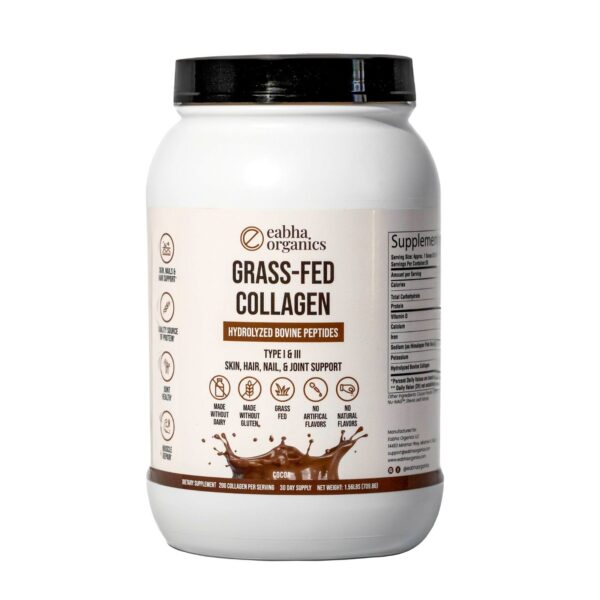
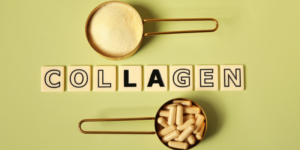
A convenient protein source, such as our grass-fed collagen, can help increase your daily protein intake while supporting recovery as part of a balanced diet.
Remember that supplements should support—not replace—a nutritious diet.
Stay Hydrated
Even mild dehydration can reduce performance and recovery.
Drink water consistently throughout the day, especially after exercise.
Keep Moving
Light walking, cycling, or gentle stretching can help reduce stiffness by increasing blood flow to sore muscles.
Complete bed rest is rarely necessary for normal muscle soreness.
Train With Energy
One reason workouts become less productive is low energy.
Training with focus and intensity helps create a stronger stimulus for muscle growth.
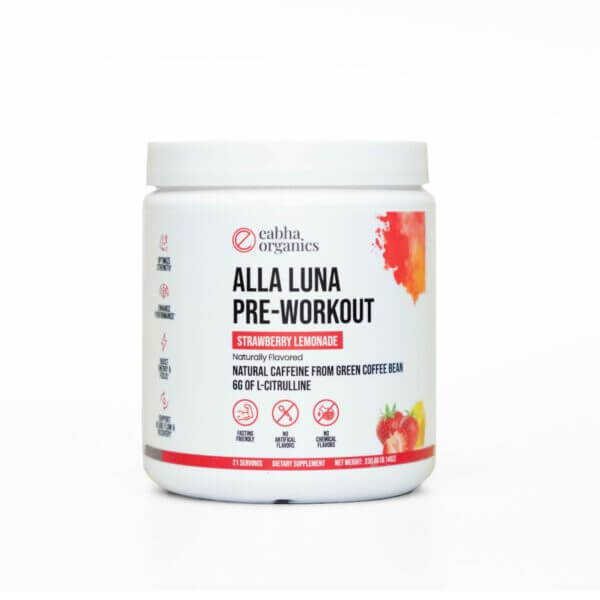
Our Alla Luna Pre-Workout was designed to support clean energy, focus, and endurance so you can make the most of every workout without relying on artificial ingredients.
Better Ways to Measure Progress
Instead of worrying about whether soreness is a sign of a good workout, ask yourself these questions:
- Am I getting stronger?
- Am I lifting more weight?
- Am I performing more repetitions?
- Am I recovering well?
- Am I staying consistent every week?
These measurements provide a much better picture of your progress than soreness ever could.
Soreness simply tells you your body experienced a new or challenging stimulus. It does not automatically mean you built more muscle or had a better workout.
The most successful fitness journeys are built on consistency, progressive overload, proper nutrition, quality recovery, and patience.
If you continue training intelligently, eating enough protein, recovering properly, and challenging yourself over time, you’ll make progress—even on the days you aren’t sore.
Remember, results aren’t measured by how sore you feel the next morning. They’re measured by how much stronger, healthier, and more consistent you become over time.