
5 Natural Ways to Relieve a Headache
When a headache strikes, it’s natural to want relief as quickly as possible. The good news is that some simple habits may help ease headache pain,
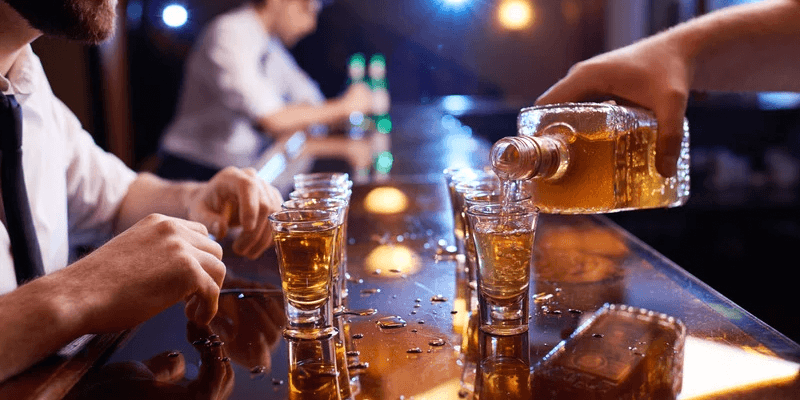
Whether you’re trying to build muscle, lose weight, or simply live a healthier lifestyle, you’ve probably wondered if drinking alcohol will hurt your progress.
The short answer is yes, but it depends on how much you drink and how often.
Many people believe they have to completely give up alcohol to be healthy, while others think a few drinks don’t matter at all. The truth lies somewhere in the middle.
For most healthy adults, enjoying alcohol occasionally doesn’t automatically ruin months of hard work in the gym. However, drinking frequently or excessively can affect muscle growth, recovery, hydration, sleep, and overall performance.
Understanding how alcohol affects your body can help you make informed decisions while still enjoying life in moderation.
One of the most common questions people ask is, does alcohol affect muscle growth?
The answer is yes—it can.
Building muscle depends on several important factors, including resistance training, eating enough protein, getting quality sleep, and allowing your body time to recover.
Alcohol may interfere with several of these processes.
Research suggests that excessive alcohol intake may reduce muscle protein synthesis, which is the process your body uses to repair and build muscle after exercise.
That doesn’t mean having one drink will erase your workout, but regularly drinking large amounts of alcohol may slow recovery and make it more difficult to maximize muscle growth over time.
Recovery is just as important as your workouts.
Every time you train, your muscles experience small amounts of stress. During recovery, your body repairs those muscles so they can become stronger.
Alcohol may interfere with this recovery process in several ways.
Heavy drinking can contribute to dehydration, poor sleep quality, and reduced recovery after intense exercise.
If your recovery suffers, your performance during future workouts may also decline.
Many people believe alcohol helps them sleep because it makes them feel tired.
While alcohol may help you fall asleep faster, it often reduces the quality of your sleep later in the night.
Good sleep is one of the most important factors for recovery, hormone regulation, and muscle growth.
If alcohol consistently disrupts your sleep, it may indirectly affect your fitness progress over time.
Hydration is another important piece of the puzzle.
Alcohol has a diuretic effect, meaning it can increase fluid loss through urination.
When you’re dehydrated, your workouts may feel more difficult, and your recovery may not be as efficient.
If you choose to drink, it’s a good idea to drink plenty of water before, during, and after consuming alcohol.
Simple habits like alternating alcoholic beverages with water can make a noticeable difference.
Another factor to consider is calories.
Alcohol provides approximately 7 calories per gram, making it more calorie-dense than carbohydrates or protein.
Mixed drinks, sugary cocktails, and craft beers can quickly add hundreds of calories without providing much nutritional value.
This doesn’t mean you can never enjoy them.
It simply means those calories should be considered as part of your overall nutrition if you’re working toward specific body composition goals.
Absolutely.
This is where balance becomes important.
Many people successfully build muscle, lose weight, and maintain healthy lifestyles while still enjoying alcohol occasionally.
The difference is moderation.
Having a drink at a family gathering, on vacation, or while celebrating a special occasion is very different from excessive drinking multiple times every week.
Your long-term habits will always matter far more than one night out.
Fitness isn’t about being perfect.
It’s about making healthy choices consistently while still enjoying life.
If you choose to drink alcohol, there are a few simple habits that can help minimize its impact on your health and fitness goals.
Drink in Moderation
Moderation is one of the most important factors.
Having a drink occasionally is very different from drinking heavily several nights each week.
For most people, enjoying alcohol responsibly while maintaining healthy habits is far more sustainable than trying to be perfect all the time.
Stay Hydrated
Because alcohol can contribute to dehydration, make water a priority.
A simple strategy is to drink a glass of water before you begin drinking and another glass between alcoholic beverages. Staying hydrated may help you feel better the next day and support your overall recovery.
Eat Before You Drink
Drinking on an empty stomach can cause alcohol to be absorbed more quickly.
Eating a balanced meal that includes protein, healthy fats, and complex carbohydrates before drinking may help slow alcohol absorption and support more stable energy levels.
Prioritize Sleep
If you know you’ll be having a few drinks, try to give yourself enough time to get a full night’s sleep afterward.
While alcohol may affect sleep quality, getting adequate rest is still one of the best things you can do to support recovery.
Don’t Skip Your Healthy Habits
One evening of drinking doesn’t erase months of consistent effort.
Many people make the mistake of thinking, “I already messed up today,” and continue making unhealthy choices.
Instead, simply get back to your normal routine the next day.
Drink plenty of water, eat nutritious foods, and continue exercising as planned.
A healthy lifestyle doesn’t require perfection.
Exercise, nutritious food, quality sleep, and proper hydration should improve your life—not make you afraid to enjoy special moments with family and friends.
Birthdays, weddings, holidays, vacations, and celebrations are all part of life.
Enjoying a drink on occasion doesn’t automatically mean you’ve failed your fitness goals.
What matters most is what you do most of the time.
If you consistently train, eat a balanced diet, stay active, and prioritize recovery, an occasional drink is unlikely to have a major impact on your long-term progress.
On the other hand, regularly drinking excessive amounts of alcohol can make it more difficult to recover, perform well in the gym, and achieve your goals.
Whether you drink alcohol or not, recovery should always remain a priority.
Focus on:
These habits will have a much greater impact on your long-term results than stressing over one social event or one night out.
At Eabha Organics, we believe supplements should support a healthy lifestyle—not replace one. Staying hydrated, eating nutritious foods, exercising consistently, and recovering properly are the foundation of good health. Quality supplements can complement those habits, but lasting results always come from consistency.
So, does alcohol affect muscle growth?
Yes—it can.
Heavy or frequent alcohol consumption may negatively affect muscle recovery, hydration, sleep quality, and your body’s ability to build muscle over time.
However, that doesn’t mean you have to completely eliminate alcohol to live a healthy lifestyle or make progress in the gym.
For many people, alcohol can fit into a balanced lifestyle when it’s consumed responsibly and in moderation.
The key is remembering that your overall habits matter far more than a single drink or a single evening.
Stay consistent with your workouts, eat a balanced diet, prioritize recovery, and enjoy life’s special moments without guilt.
Fitness isn’t about being perfect—it’s about making healthy choices most of the time.
By focusing on long-term consistency instead of short-term perfection, you’ll put yourself in the best position to achieve your health and fitness goals while still enjoying a balanced lifestyle.
When a headache strikes, it’s natural to want relief as quickly as possible. The good news is that some simple habits may help ease headache pain,
If you’re trying to lose weight, you probably think about your diet, your workouts, and how many calories you eat. But there’s another factor that matters: how much you move throughout the day.
GLP-1 is a natural hormone that helps regulate blood sugar and appetite. Some medications mimic its effects, helping people feel full, eat less, and manage certain health conditions.
The ketogenic diet has become popular among people who want to lose body fat, improve their health, or change their body composition. By cutting carbohydrates and eating more fat, the goal is to get the body to rely more heavily on fat for fuel.
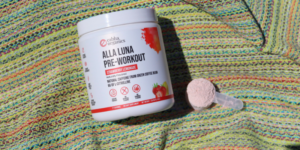
Whether you’re getting ready for a workout, heading out for the evening, or simply need a little extra energy and focus during the day, Alla Luna was designed to be a versatile part of your routine.
At Eabha Organics, collagen is one of our favorite protein supplements. Not because we believe it’s the only protein you need or that it’s better than every other option, but because collagen offers something different.