
What Is a Calorie? Understanding Calories & Energy Balance
You may hear that eating too many calories causes weight gain, that eating fewer calories can lead to weight loss, or that certain foods are “high-calorie.”

Coffee is one of the most popular beverages in the world.
Millions of people start their day with a cup of coffee, relying on its caffeine content to increase alertness, improve focus, and provide an energy boost. Athletes also commonly consume coffee before workouts because caffeine has been shown to support exercise performance.
Despite its popularity, one question continues to come up:
You’ve probably heard that coffee “doesn’t count” toward your daily water intake because caffeine is a diuretic. Others claim that drinking coffee can actually leave you dehydrated.
So, what’s the truth?
The good news is that current research suggests the answer is much simpler than many people think.
For most healthy adults, moderate coffee consumption does not cause dehydration.
Let’s look at what the science actually says.
The belief that coffee dehydrates you comes from the fact that caffeine has a mild diuretic effect.
A diuretic is something that increases urine production, causing your body to eliminate more fluid.
Because caffeine can temporarily increase urination, many people assumed that drinking coffee caused the body to lose more water than it gained.
However, this idea doesn’t tell the whole story.
Coffee is made up of approximately 98% water.
Although caffeine may slightly increase urine output in some situations, the fluid you consume from the coffee itself usually offsets this effect.
This is one of the reasons why researchers no longer consider moderate coffee consumption to be dehydrating for most people.
Numerous studies have compared hydration levels between people who regularly drink coffee and those who drink water.
The results are surprisingly consistent.
Research has found that moderate coffee intake generally has similar hydrating effects to water in people who regularly consume caffeine.
In other words, drinking a few cups of coffee each day does not appear to negatively affect overall hydration status for most healthy adults.
Your body adapts to regular caffeine intake over time.
As a result, the mild diuretic effect becomes much less noticeable in habitual coffee drinkers.
This is why many people can enjoy coffee every day without becoming dehydrated.
Yes.
For most people, coffee contributes to your total daily fluid intake.
Since coffee is mostly water, it helps provide hydration despite containing caffeine.
Of course, water should still be your primary source of hydration throughout the day.
However, if you enjoy coffee, you generally do not need to worry that every cup is “canceling itself out.”
The important factor is your overall fluid intake—not whether every beverage is plain water.
Although moderate coffee intake is unlikely to cause dehydration, there are situations where caffeine deserves more attention.
For example:
In these situations, paying attention to your hydration becomes more important.
Coffee is not usually the problem by itself.
Instead, dehydration is more likely to occur because overall fluid losses exceed fluid intake.
Coffee has become increasingly popular among athletes for a good reason.
Research has shown that caffeine may help support:
This is why many people drink coffee before heading to the gym.
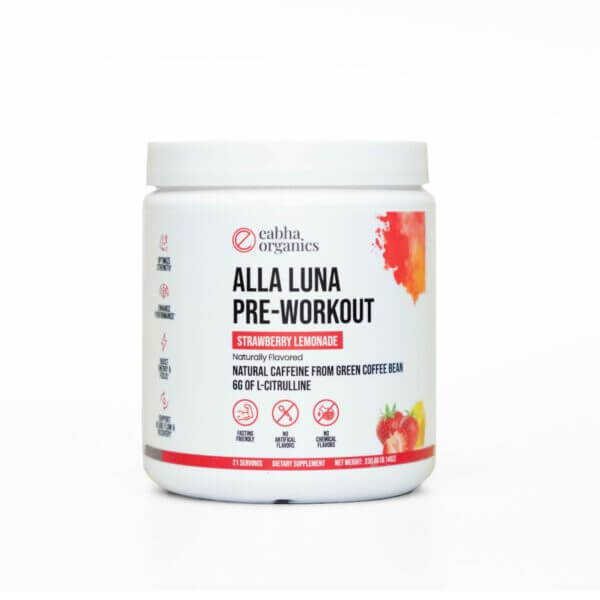
For others, a pre-workout supplement containing caffeine offers a more convenient and consistent way to support energy and focus before training.
Regardless of where your caffeine comes from, staying properly hydrated before, during, and after exercise remains one of the most important parts of maximizing performance and recovery.
Although moderate coffee consumption is considered safe for most healthy adults, more isn’t always better.
According to many health organizations, up to 400 mg of caffeine per day is generally considered safe for most adults. This is roughly equivalent to about 3–4 cups of brewed coffee, depending on the strength and serving size.
Keep in mind that caffeine doesn’t only come from coffee.
It can also be found in:
If you consume multiple caffeinated products throughout the day, it’s important to consider your total caffeine intake rather than focusing on coffee alone.
Some people are also more sensitive to caffeine than others and may experience side effects even at lower amounts.
Whether you drink coffee or not, staying hydrated is essential for overall health.
Some common signs that you may need more fluids include:
These signs are not usually caused by coffee itself but rather by not drinking enough fluids throughout the day.
The easiest way to stay hydrated is to drink water consistently, especially during hot weather or after exercise.
Good hydration doesn’t have to be complicated.
Simple habits can make a big difference, including:
If you regularly drink coffee, there’s usually no need to drink an extra glass of water for every cup you consume.
Instead, focus on your overall daily fluid intake and adjust based on your activity level and environment.
Myth #1: Coffee Always Causes Dehydration
False.
For most people who regularly consume caffeine, moderate coffee intake does not cause dehydration.
Myth #2: Coffee Doesn’t Count Toward Your Water Intake
Also false.
Coffee is made up mostly of water and contributes to your daily fluid intake.
Myth #3: You Should Avoid Coffee Before Exercise
Not necessarily.
Many athletes consume caffeine before workouts because research suggests it can support energy, focus, endurance, and overall exercise performance.
The important thing is to continue drinking enough fluids before, during, and after training.
Many people enjoy a cup of coffee before exercising, while others prefer a pre-workout supplement.
Both can provide caffeine, but they serve slightly different purposes.
Coffee is a simple source of caffeine, while many pre-workout supplements also contain additional ingredients designed to support workout performance, such as compounds that promote focus, endurance, or blood flow.
Regardless of which option you choose, neither replaces proper hydration.
Making sure you’re drinking enough water remains one of the most important parts of preparing for any workout.
So, does coffee dehydrate you?
For most healthy adults, the answer is no.
Although caffeine has a mild diuretic effect, research shows that moderate coffee consumption does not lead to dehydration in people who regularly drink coffee.
In fact, coffee contributes to your overall daily fluid intake because it is made up mostly of water.
The biggest factor in staying hydrated isn’t avoiding coffee—it’s making sure you consistently drink enough fluids throughout the day.
If you enjoy coffee, there’s no reason to feel guilty about including it as part of a healthy lifestyle.
Just remember that hydration, balanced nutrition, regular exercise, and quality sleep all work together to support your overall health and performance.
At Eabha Organics, we believe lasting health comes from understanding the science behind everyday habits. Whether your caffeine comes from a morning cup of coffee or a pre-workout supplement, staying informed and making balanced choices is the best way to support your long-term wellness goals.
Talk Soon Eabha
You may hear that eating too many calories causes weight gain, that eating fewer calories can lead to weight loss, or that certain foods are “high-calorie.”
A healthy body weight depends on several factors, including your height, body composition, muscle mass, age, sex, and overall health. Two people can weigh the same amount and have very different levels of body fat, muscle, and fitness.
Cold hands and feet are incredibly common. Sometimes, there’s nothing unusual going on at all — your body is simply responding to a cold environment.
If you’re trying to eat healthier, you’ve probably wondered how often you can actually eat junk food. Can you have pizza once a week? What about ice cream?
Getting enough sleep is important, but the number of hours you spend in bed is only part of the picture. Sleep quality, consistency, lifestyle habits, and your overall health can all affect how rested you feel the next day.
“Forever chemicals” is a common name for a large group of synthetic chemicals called PFAS, or per- and polyfluoroalkyl substances. They have been used for decades because they can resist water, oil, grease, stains, and heat.