
5 Natural Ways to Relieve a Headache
When a headache strikes, it’s natural to want relief as quickly as possible. The good news is that some simple habits may help ease headache pain,
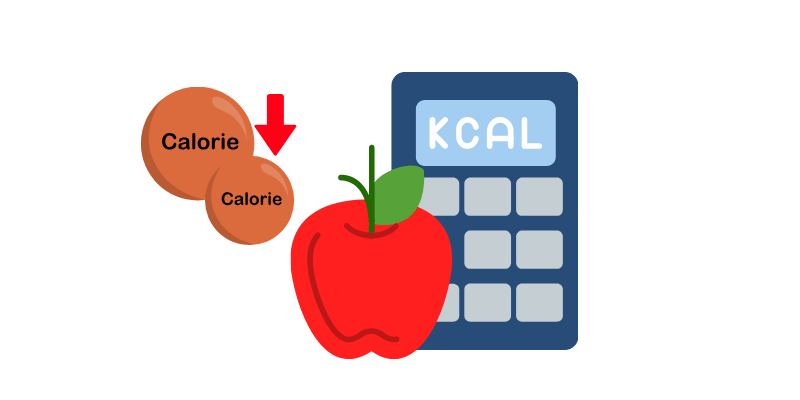
Calories are something you hear about constantly when it comes to nutrition, weight, and fitness.
You may hear that eating too many calories causes weight gain, eating fewer calories can lead to weight loss, or that certain foods are “high calorie.”
But what exactly is a calorie?
A calorie is simply a unit of energy. Your body needs energy to keep you alive, move your body, maintain your organs, regulate body temperature, and carry out countless processes every day.
Understanding calories can make nutrition and energy balance much easier to understand.
A calorie is a measurement of energy.
More specifically, the calories listed on food labels are actually kilocalories (kcal), although they’re commonly just called calories.
Your body gets energy from the food and drinks you consume. The three macronutrients that provide calories are:
Alcohol also provides calories, at about 7 calories per gram, although it isn’t considered a macronutrient.
Your body then uses this energy to fuel everything from basic biological functions to physical activity.
Even when you’re sitting still, your body is using energy.
Your heart is beating, your lungs are working, your brain is active, your body is maintaining its temperature, and your cells are constantly carrying out essential processes.
You also use energy when you:
In other words, calories aren’t something your body simply “burns off” during a workout. Your body needs energy around the clock.
The amount of energy you use each day is often referred to as total daily energy expenditure, or TDEE.
TDEE is made up of several components.
Your basal metabolic rate, or BMR, is the energy your body needs to maintain basic physiological functions while at rest.
It accounts for a large portion of the calories you use each day.
Factors such as body size, muscle mass, age, and sex can influence how much energy your body requires.
Movement is another major part of daily energy expenditure.
This includes structured exercise like lifting weights, running, cycling, or swimming, but it also includes everyday movement such as walking around the house, standing, working, and climbing stairs.
This everyday movement can vary significantly from person to person.
Thermic Effect of Food
Your body also uses some energy to digest, absorb, and process the food you eat.
Protein generally requires more energy to process than carbohydrates or fat, although the overall contribution of digestion to daily energy expenditure is smaller than your resting metabolism and physical activity.
Energy balance describes the relationship between the calories you consume and the energy your body uses.
If you consistently consume approximately the same amount of energy that your body uses, your body weight will generally remain relatively stable over time.
If you consistently consume more energy than you use, body weight can increase.
If you consistently consume less energy than you use, body weight can decrease.
This is often referred to as a calorie surplus or calorie deficit.
However, your body isn’t a simple calculator, and these changes don’t always happen at a perfectly predictable rate.
As body weight changes, energy requirements can change as well. Appetite, activity, metabolism, and other physiological factors can also adapt.
That’s one reason long-term weight management isn’t always as simple as following a mathematical formula.
A calorie is a unit of energy, but that doesn’t mean all foods have the same nutritional value.
For example, two foods could contain the same number of calories while providing very different amounts of protein, fiber, vitamins, minerals, and other nutrients.
A balanced diet should provide enough calories to meet your body’s energy needs while also providing the nutrients your body requires.
Foods such as fruits, vegetables, whole grains, legumes, lean proteins, nuts, seeds, and other minimally processed foods can provide important nutrients alongside their calories.
That doesn’t mean foods higher in sugar, fat, or calories are automatically “bad.” What matters is the overall pattern of your diet.
When someone wants to lose body fat, creating an energy deficit is an important part of the process.
This means that, over time, the body is using more energy than it receives from food and drinks.
However, that doesn’t mean you need to drastically restrict your food intake.
Very aggressive calorie restriction can make it harder to get enough nutrients, maintain training performance, preserve muscle, and stick with your diet.
A moderate, sustainable approach is often easier to maintain over the long term.
Your food choices also matter. Getting enough protein, fiber, fruits, vegetables, and other nutrient-dense foods can help support overall nutrition while you’re eating fewer calories.
Calories also matter when your goal is gaining muscle.
Building muscle requires resistance training, adequate protein, recovery, and enough energy to support the process.
Some people can build muscle while maintaining approximately the same body weight, particularly when they’re newer to resistance training or returning after time away.
For others, a modest calorie surplus may help support muscle growth.
The goal isn’t necessarily to eat as many calories as possible. Consuming far more energy than your body needs can lead to additional body-fat gain without providing a proportional increase in muscle growth.
Not necessarily.
Calorie tracking can be useful for some people who want to better understand how much they’re eating, especially when trying to intentionally lose, maintain, or gain weight.
But you don’t have to count every calorie to eat a healthy diet.
Paying attention to hunger and fullness, eating balanced meals, choosing nutrient-dense foods, getting enough protein and fiber, and maintaining regular physical activity can all be useful approaches.
For some people, tracking becomes stressful or overly restrictive. In that case, a less numbers-focused approach may be more sustainable.
What About “Empty Calories”?
You may have heard the term “empty calories” used to describe foods that provide calories but relatively few vitamins, minerals, protein, fiber, or other beneficial nutrients.
While the phrase can be useful for describing overall nutritional value, foods don’t have to be completely eliminated simply because they aren’t especially nutrient-dense.
A healthy diet can include foods you enjoy.
The bigger picture matters more than whether every calorie you eat comes from a nutrient-dense food.
A calorie is simply a unit of energy.
Your body needs calories every day to support basic functions, movement, exercise, digestion, and everything else required to keep you alive and functioning.
The relationship between calorie intake and energy expenditure plays an important role in changes in body weight. But nutrition is about more than calories alone.
The quality of your diet, protein intake, fiber, vitamins and minerals, physical activity, sleep, and overall eating pattern all matter too.
Understanding calories can help you make more informed decisions about your nutrition without making food feel like nothing more than a number.
When a headache strikes, it’s natural to want relief as quickly as possible. The good news is that some simple habits may help ease headache pain,
If you’re trying to lose weight, you probably think about your diet, your workouts, and how many calories you eat. But there’s another factor that matters: how much you move throughout the day.
GLP-1 is a natural hormone that helps regulate blood sugar and appetite. Some medications mimic its effects, helping people feel full, eat less, and manage certain health conditions.
The ketogenic diet has become popular among people who want to lose body fat, improve their health, or change their body composition. By cutting carbohydrates and eating more fat, the goal is to get the body to rely more heavily on fat for fuel.
Whether you’re getting ready for a workout, heading out for the evening, or simply need a little extra energy and focus during the day, Alla Luna was designed to be a versatile part of your routine.
At Eabha Organics, collagen is one of our favorite protein supplements. Not because we believe it’s the only protein you need or that it’s better than every other option, but because collagen offers something different.