

How to Improve Your Gut Health Naturally
Your gut health plays an important role in your overall well-being. Your digestive system helps break down food, absorb nutrients, and support many of the processes your body relies on every day.
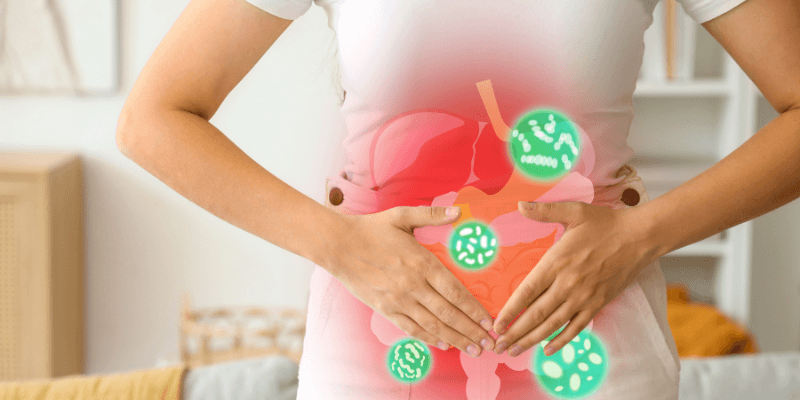
Your gut health plays an important role in your overall well-being. Your digestive system helps break down food, absorb nutrients, and support many of the processes your body relies on every day.
Inside your digestive tract lives a community of microorganisms known as the gut microbiome. These microorganisms help support digestion and interact with your immune system. The foods you eat and the habits you follow can influence the balance and diversity of this community.
The good news is that you don’t need an extreme diet or an expensive supplement routine to start supporting your gut. Simple, consistent habits can make a difference.
If you’re wondering how to improve gut health naturally, here are seven practical steps to start with.
One of the best ways to support your gut health is to eat enough dietary fiber.
Fiber helps keep digestion regular, and certain types of fiber act as food for beneficial gut bacteria. When these bacteria break down some types of fiber, they produce compounds that help support the gut environment.
Try adding more fiber-rich foods to your meals, such as:
You don’t have to change your entire diet overnight. Start by adding a serving of fruit to breakfast or choosing whole grains more often.
Tip: Increase fiber gradually and drink enough water. Adding too much fiber too quickly can cause gas, bloating, or discomfort.
Eating a wide variety of plant foods can help support a diverse gut microbiome.
Different plants provide different types of fiber and naturally occurring compounds that your gut microorganisms can use. Rather than relying on the same few foods every day, try to include a variety of fruits, vegetables, legumes, whole grains, nuts, and seeds throughout the week.
For example, you could add berries to breakfast, include beans in lunch, eat different vegetables at dinner, and snack on a handful of nuts.
You don’t need to buy expensive superfoods to improve your diet. Everyday foods can provide plenty of variety.
The goal is to build a balanced eating pattern that gives your body a range of nutrients and supports healthy digestion.
Fermented foods can be another useful addition to a gut-friendly diet.
Some fermented foods contain live microorganisms, although the types and amounts vary by product. These foods can contribute to dietary variety and may offer digestive benefits for some people.
Examples include:
Start with a small serving and see how your body responds. Some fermented foods are high in sodium, and not every fermented product contains live microorganisms after processing.
You don’t need to eat every food on this list. Choose options you enjoy and can comfortably include in your routine.
Water is important for digestion, including helping fiber do its job.
When you don’t drink enough fluids, stools can become harder and more difficult to pass. Staying hydrated can help support regular bowel movements, particularly when you’re increasing your fiber intake.
Make hydration easier by keeping water nearby, drinking throughout the day, and including water-rich foods such as cucumbers, oranges, and watermelon.
Your fluid needs depend on factors such as your activity level, climate, and overall health. Rather than forcing yourself to drink a specific amount, aim to stay consistently hydrated.
When people experience bloating or digestive discomfort, they sometimes respond by cutting out entire food groups.
However, eliminating foods without a clear reason can make it harder to get the nutrients your body needs. Many foods that support gut health, including beans, whole grains, fruits, and dairy products, may be removed unnecessarily.
Instead, focus on eating balanced meals that include protein, fiber-rich carbohydrates, healthy fats, and a variety of plant foods.
If you notice that a particular food repeatedly triggers symptoms, keep track of what you ate and how you felt afterward. Persistent symptoms may need professional guidance rather than a long list of dietary restrictions.
Everyone’s digestive system is different. The goal is to find an eating pattern that supports your health and works for your body.
Gut health isn’t only about what you eat. Your digestive system and brain communicate through what is known as the gut-brain connection.
Stress can affect digestion and may contribute to symptoms such as abdominal discomfort, bloating, diarrhea, or constipation in some people. Poor sleep can also affect your overall well-being and daily habits.
To support your gut health, try to:
These habits won’t resolve every digestive problem, but they can support your overall health and may help when stress or poor sleep contributes to your symptoms.
Regular physical activity supports overall health and may help promote regular bowel movements.
You don’t need an intense workout routine to get started. Walking, cycling, swimming, strength training, or another activity you enjoy can all be part of an active lifestyle.
If you spend much of your day sitting, try taking short walks throughout the day. Even a walk after a meal can be an easy way to build more movement into your routine.
Consistency matters more than doing everything perfectly. Choose activities you enjoy so that staying active becomes a sustainable part of your lifestyle.
Digestive symptoms can happen occasionally, but frequent or persistent symptoms deserve attention.
Some common digestive complaints include:
These symptoms can have many different causes and don’t automatically mean you have an unhealthy gut microbiome.
If your symptoms continue, keep returning, or interfere with your daily life, speak with a healthcare professional. Seek prompt medical attention for symptoms such as blood in your stool, unexplained weight loss, severe abdominal pain, or persistent vomiting.
A healthcare professional can help identify the cause and determine whether you need specific treatment or dietary changes.
Not necessarily.
Although some probiotics and other supplements may be useful for particular conditions, their effects depend on the ingredient, product, and individual. No single supplement is proven to improve everyone’s gut health, and probiotics aren’t interchangeable.
Before spending money on a gut health supplement, start with the basics: a varied diet, enough fiber, adequate hydration, regular movement, and consistent sleep.
If you’re considering a supplement for ongoing digestive symptoms, speak with a qualified healthcare professional to determine whether it’s appropriate for you.
Learning how to improve your gut health naturally doesn’t have to mean following a complicated diet or buying a long list of supplements.
Start with the fundamentals: eat more fiber-rich foods, include a variety of plants, try fermented foods if you tolerate them, stay hydrated, prioritize sleep, manage stress, and move your body regularly.
You don’t have to make every change at once. Choose one or two habits you can maintain, build from there, and give yourself time to establish a routine.
Your gut health plays an important role in your overall well-being. Your digestive system helps break down food, absorb nutrients, and support many of the processes your body relies on every day.
Anxiety is something many people experience at different points in their lives. Whether it’s caused by work, financial pressure, relationships, or everyday stress, feeling anxious can affect your mood, sleep, concentration, and overall well-being.
When a headache strikes, it’s natural to want relief as quickly as possible. The good news is that some simple habits may help ease headache pain,
If you’re trying to lose weight, you probably think about your diet, your workouts, and how many calories you eat. But there’s another factor that matters: how much you move throughout the day.
GLP-1 is a natural hormone that helps regulate blood sugar and appetite. Some medications mimic its effects, helping people feel full, eat less, and manage certain health conditions.
The ketogenic diet has become popular among people who want to lose body fat, improve their health, or change their body composition. By cutting carbohydrates and eating more fat, the goal is to get the body to rely more heavily on fat for fuel.