How to Reduce Anxiety Naturally: 7 Tips That May Help
Anxiety is something many people experience at different points in their lives. Whether it’s caused by work, financial pressure, relationships, or everyday stress, feeling anxious can affect your mood, sleep, concentration, and overall well-being.
While some anxiety is a normal response to stressful situations, constantly feeling worried or on edge can become exhausting.
The good news is that there are several natural ways to help manage anxiety and support your mental well-being. Simple habits involving exercise, sleep, nutrition, and relaxation may help you feel calmer and better equipped to handle daily stress.
Although these strategies won’t eliminate anxiety for everyone, they can be useful tools to incorporate into your routine.
Here are seven natural ways to help manage anxiety.
1. Practice Slow Breathing
When you’re feeling anxious, you may notice that your breathing becomes faster or more shallow. You might also experience a racing heart, muscle tension, or a feeling of restlessness.
Slow, controlled breathing can help your body settle down during stressful moments.
One simple technique is to breathe gently through your nose, allowing your abdomen to expand comfortably, and then exhale slowly without forcing the breath.
Try this for a few minutes while sitting somewhere comfortable. Focus on keeping your breathing steady rather than taking unusually deep breaths.
You can practice slow breathing when anxiety starts to build or make it part of your daily routine.
A simple tip: Set aside two to five minutes each day to practice calm breathing, even when you’re not feeling anxious. This gives you an opportunity to become familiar with the technique before stressful moments arise.
2. Exercise Regularly
Physical activity is one of the most useful habits for supporting both physical and mental health.
Exercise can help improve mood, support sleep, and provide a healthy outlet for stress. Research also suggests that regular physical activity may help reduce symptoms of anxiety for some people.
You don’t need to spend hours in the gym to experience potential benefits.
Walking, cycling, swimming, strength training, and other activities you enjoy can all be good options.
The most important thing is finding something you can do consistently without making it another source of pressure.
A simple tip: Start with a 10- to 20-minute walk outdoors. If you enjoy it, gradually build more movement into your week.
Exercise isn’t a replacement for professional anxiety treatment when that’s needed, but it can be a valuable part of a healthy lifestyle.
3. Prioritize Quality Sleep
Sleep and anxiety can influence each other.
When you don’t get enough quality sleep, you may find it harder to manage stress, concentrate, and regulate your emotions. At the same time, anxiety can make it difficult to fall asleep or stay asleep.
This can create a frustrating cycle in which poor sleep leaves you feeling more anxious, and anxiety makes it harder to rest.
Building a consistent sleep routine may help break that pattern.
Try going to bed and waking up at roughly the same time each day. Give yourself time to wind down before bed, keep your bedroom comfortable, and reduce stimulating activities when you’re preparing to sleep.
If worrying thoughts keep you awake, writing down your concerns and any tasks you need to handle the next day may help you put them aside until morning.
A simple tip: Create a relaxing nighttime routine that you can repeat each evening, such as taking a warm shower, reading, or listening to calming music.
If anxiety regularly interferes with your sleep, consider speaking with a healthcare professional.
4. Be Mindful of Your Caffeine Intake
Caffeine can help you feel more alert, but too much may contribute to nervousness, restlessness, a racing heart, or difficulty sleeping.
These effects can feel similar to anxiety and may make anxious feelings more difficult to manage, particularly if you’re sensitive to caffeine.
Coffee isn’t necessarily something you need to eliminate completely. However, it may be worth paying attention to how much you consume and how your body responds.
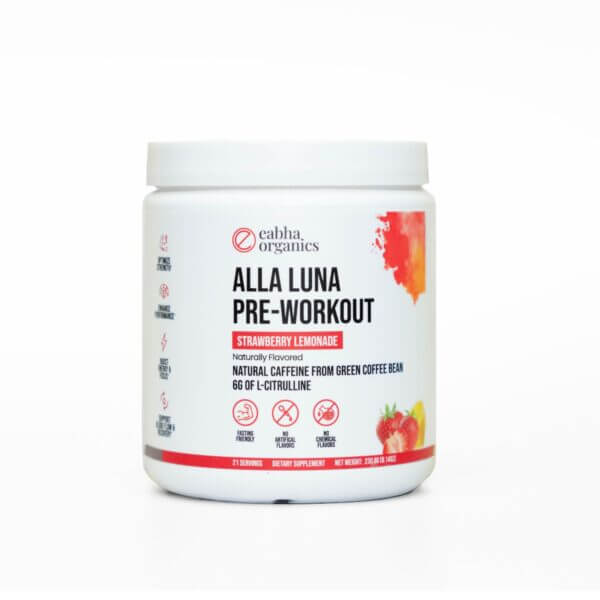
Remember that caffeine is also found in energy drinks, pre-workout supplements, tea, and some other products.
A simple tip: If you notice that caffeine makes you feel jittery or anxious, try reducing your intake gradually and avoiding it later in the day.
If you regularly consume a lot of caffeine, cutting back gradually may be more comfortable than stopping suddenly.
Paying attention to your individual response can help you determine what works best for you.
5. Eat Balanced, Regular Meals
Nutrition plays an important role in overall health, including the health of your brain and nervous system.
Although no particular food can cure anxiety, eating balanced meals helps provide the energy and nutrients your body needs to function properly.
Going long periods without eating may also leave some people feeling shaky, irritable, or lightheaded. These sensations can sometimes make anxiety feel worse.
Aim to include a variety of nutrient-dense foods in your diet, such as:
- Protein: Eggs, fish, poultry, beans, yogurt, and tofu.
- Healthy fats: Olive oil, avocados, nuts, seeds, and oily fish.
- Fiber-rich carbohydrates: Oats, potatoes, fruit, beans, and whole grains.
- Fruits and vegetables: A variety of colorful options to help meet your nutritional needs.
You don’t need a perfect diet to support your well-being. Consistency and variety matter more than following a restrictive eating plan.
A simple tip: Try eating regular, balanced meals and notice whether skipping meals or consuming lots of caffeine affects how you feel.
Be cautious of claims that specific foods or supplements can eliminate anxiety. Nutrition can support overall health, but anxiety has many possible causes and may require more than dietary changes.
6. Try Mindfulness and Relaxation Techniques
Anxiety often involves worrying about what might happen in the future or repeatedly thinking about stressful situations.
Mindfulness can help you notice these thoughts without automatically reacting to them. Instead of trying to force every anxious thought away, you practice bringing your attention back to the present.
You don’t need to meditate for an hour to get started.
Try sitting comfortably for a few minutes and paying attention to your breathing, the sounds around you, or the physical sensations you notice.
When your mind wanders, gently bring your attention back without judging yourself.
Other relaxation techniques, such as gentle stretching, yoga, or progressive muscle relaxation, may also help reduce tension.
A simple tip: Take five minutes each day to step away from your phone, slow down, and focus on the present moment.
Mindfulness won’t prevent every anxious thought from appearing, but practicing it regularly may help you respond to stress differently.
7. Build a Calming Daily Routine
Sometimes, anxiety becomes harder to manage when you’re constantly rushing, feeling overwhelmed, or trying to handle too many things at once.
You can’t always control what happens during the day, but you can create small routines that give you more structure and opportunities to recover from stress.
For example, you might set aside time for a morning walk, take short breaks during work, spend time with people you trust, or make room for activities you genuinely enjoy.
It can also help to break overwhelming tasks into smaller, manageable steps rather than trying to solve everything at once.
You don’t need to overhaul your entire life. Small, realistic changes can be easier to maintain than a routine that demands perfection.
A simple tip: Choose one or two habits that help you feel more grounded and make them a regular part of your day.
Remember that relaxation doesn’t have to be productive. Sometimes, giving yourself permission to rest is worthwhile on its own.
The Bottom Line
Learning how to reduce anxiety naturally often starts with small, consistent habits.
Practicing slow breathing, exercising regularly, getting enough sleep, managing caffeine, eating balanced meals, and making time for relaxation may all help support your mental well-being.
You don’t need to change everything at once. Start with one or two habits that feel realistic, give yourself time to build consistency, and pay attention to how you feel.
Most importantly, remember that anxiety isn’t a personal failure, and you don’t have to manage it alone. Natural strategies can be part of the solution, but professional support is available when you need more help.
Taking care of your mental well-being starts with small steps, realistic expectations, and finding the support that works for you.
— Eabha Organics