What Is Creatine? Benefits, Muscle Growth, and the Truth About Hair Loss
Creatine is one of the most widely researched and commonly used supplements in the fitness world. Despite its popularity, there is still a lot of confusion around what it does, how it works, and whether it has any negative effects on health, particularly hair loss.
In this article, we’ll break down what creatine is, why people take it, how it supports muscle growth, and address the most searched Topic online: Does creatine cause hair loss?
What Is Creatine?
Creatine is a naturally occurring compound found in small amounts in foods like red meat and fish. It is also produced by the human body in the liver, kidneys, and pancreas.
Once produced, creatine is stored primarily in your skeletal muscles in the form of phosphocreatine. Its main role is to help your body rapidly produce energy during short, intense bursts of activity such as weightlifting, sprinting, or explosive movements.
When you supplement with creatine, you increase the amount stored in your muscles. This allows your body to regenerate energy faster during high-intensity exercise, which can improve performance and training output.
Why Do People Take Creatine?
People take creatine because it has a direct impact on training performance.
Unlike many supplements that claim broad or indirect benefits, creatine has one very clear mechanism: it improves your ability to perform high-intensity work.
Some of the key benefits include:
- Increased strength output during resistance training
- Improved power during explosive movements
- Enhanced muscle endurance during repeated sets
- Faster recovery between sets
- Increased muscle fullness due to water retention in muscle cells
Because of these effects, creatine is one of the most studied sports supplements in history and is widely used by athletes, bodybuilders, and recreational gym-goers.
How Creatine Supports Muscle Growth
Creatine does not directly build muscle in the same way protein does. Instead, it improves the quality of your training, which indirectly leads to muscle growth over time.
Here’s how the process works:
- Creatine increases the availability of ATP (your body’s quick energy source)
- This allows you to perform more reps or lift heavier weights
- Over time, this increases total training volume
- Higher training volume leads to greater muscle adaptation
- Muscle adaptation results in growth and strength improvements
In simple terms, creatine helps you train harder and recover faster between sets. That combination is what makes it so effective for long-term muscle development.
Another important effect is increased water retention inside muscle cells. This does not mean bloating in a negative sense, but rather increased muscle cell hydration, which can support performance and create a fuller appearance.
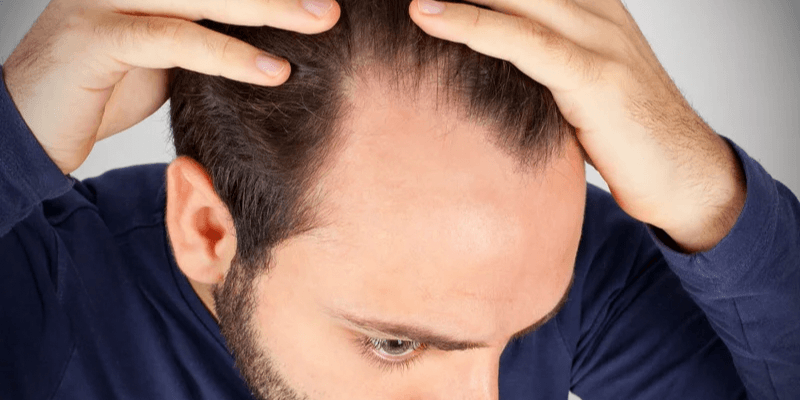
Does Creatine Cause Hair Loss?
One of the most common concerns online is the question: Does creatine cause hair loss?
This concern originates from a small study conducted in 2009 that suggested creatine supplementation may increase levels of dihydrotestosterone (DHT), a hormone linked to hair loss in genetically sensitive individuals.
However, it is important to understand what this actually means in context.
The study did not measure hair loss directly. It only observed a temporary increase in DHT levels in a small group of participants. This led to speculation that creatine might contribute to hair loss in people already predisposed to male pattern baldness.
Since then, many people have repeated this claim online, even though the original evidence is limited.
What Does the Research Actually Show?
Despite widespread concern, there is currently no strong scientific evidence showing that creatine directly causes hair loss.
Key points to understand:
- No clinical trials show that creatine causes hair follicles to shrink
- No long-term studies link creatine supplementation to increased baldness
- Most research confirms creatine is safe when used at recommended doses
This means the idea that creatine causes hair loss is still largely theoretical rather than proven.
For most people, creatine does not appear to have any meaningful effect on hair health.
This is why, when people ask again whether creatine causes hair loss, the most accurate answer based on current evidence is: there is no confirmed link.
What Actually Causes Hair Loss?
To understand this topic properly, it is important to look at the real causes of hair loss.
The most common cause is genetics. This condition is known as androgenic alopecia, or male pattern baldness.
Here’s how it works:
- A hormone called DHT binds to hair follicles
- In genetically sensitive individuals, follicles gradually shrink over time
- This leads to thinner hair and eventually reduced hair density
However, genetics is the key factor. Even individuals with normal or elevated DHT levels may not experience hair loss unless they are genetically predisposed.
Other contributing factors include:
- Chronic stress and cortisol imbalance
- Poor nutrition or vitamin deficiencies
- Hormonal changes
- Certain medical conditions
- Aging and natural follicle sensitivity
Importantly, creatine is not identified as a direct cause in any of these categories.
So Should You Be Concerned About Creatine?
Based on current scientific understanding, creatine is considered safe for healthy individuals when used at recommended doses.
If someone is already genetically predisposed to hair loss, they may naturally be more sensitive to hormonal changes in general. However, there is still no strong evidence showing that creatine significantly accelerates this process.
For the majority of people, creatine remains one of the safest and most effective performance supplements available.
Creatine is one of the most effective and well-researched supplements for improving strength, power, and overall training performance.
While concerns about hair loss continue to circulate online, current scientific evidence does not support a direct link between creatine supplementation and hair loss.
Understanding how supplements actually work helps you make better decisions based on evidence rather than speculation.
When used correctly, creatine can be a powerful tool for improving training performance and supporting long-term muscle growth.
Talk Soon Eabha Organics