Unlike protein, carbohydrates, and fats, fiber isn’t fully digested by your body. Instead, it moves through your digestive system and provides a variety of important health benefits.

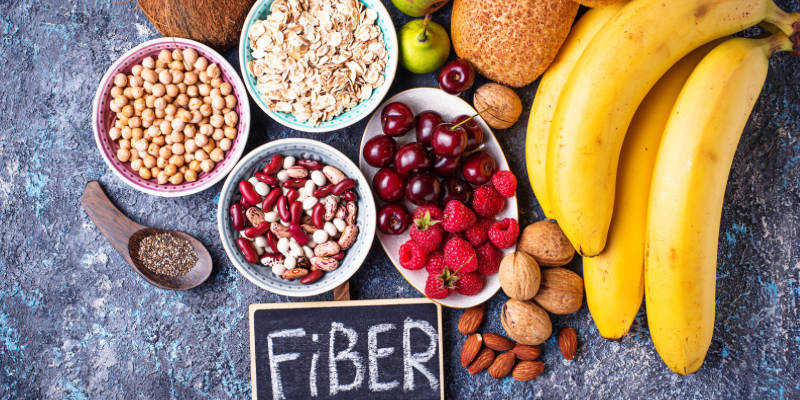
Fiber is one of the most important parts of a healthy diet, yet many people don’t get enough of it.
Unlike protein, carbohydrates, and fats, fiber isn’t fully digested by your body. Instead, it moves through your digestive system and provides a variety of important health benefits.
Getting enough fiber can support healthy digestion, help you feel full after meals, support heart health, and contribute to healthy blood sugar levels.
But how much fiber should you eat a day?
For most adults, a good general target is around 25–38 grams of fiber per day, depending on factors such as age and sex. Your individual needs may be higher or lower.
The good news is that you don’t need complicated supplements or a special diet to get more fiber. A variety of fruits, vegetables, beans, lentils, whole grains, nuts, and seeds can help you reach your daily goal.
Let’s take a closer look at why fiber is important and how you can get more of it through your diet.
Fiber recommendations vary depending on your age and sex.
For many adults, the general recommendation falls somewhere around 25–38 grams per day.
Women generally need around 25 grams of fiber per day, while men generally need around 38 grams per day when they are younger adults. Fiber needs tend to decrease somewhat with age.
However, these numbers are guidelines rather than a requirement that everyone must hit perfectly every single day.
If you’re currently eating 10–15 grams of fiber per day, suddenly trying to consume 35 grams overnight probably isn’t a good idea.
Instead, gradually increase your intake by adding more fiber-rich foods to your meals.
The important thing is to establish a consistent eating pattern that provides enough fiber over time.
Fiber does much more than simply keep you regular.
It plays several important roles in maintaining overall health.
One of the best-known benefits of fiber is its role in digestion.
Certain types of fiber add bulk to stool and help food move through the digestive tract.
Getting enough fiber can help support regular bowel movements and prevent constipation.
Fiber also interacts with the bacteria living in your digestive system. Some types of fiber are fermented by gut bacteria and can contribute to a healthy gut environment.
This is one reason eating a variety of plant foods is beneficial for your digestive system.
Fiber can also help with feelings of fullness after eating.
High-fiber foods often take longer to chew and digest, and some types of fiber absorb water and expand in the digestive tract.
For example, compare a meal containing vegetables, beans, and whole grains with a meal made primarily from highly refined carbohydrates.
The higher-fiber meal will generally provide more volume and may help you feel satisfied for longer.
This can be useful for people who are trying to manage their calorie intake or maintain a healthy body weight.
Fiber itself isn’t a magic weight-loss ingredient, but eating more fiber-rich foods can make it easier to build satisfying meals.
Eating enough fiber—particularly soluble fiber—can also support cardiovascular health.
Soluble fiber can help reduce the absorption of cholesterol in the digestive system.
Foods such as oats, barley, beans, lentils, fruits, and some vegetables contain soluble fiber.
A diet that regularly includes fiber-rich foods is generally associated with a healthier overall eating pattern.
Of course, heart health depends on much more than fiber alone. Physical activity, blood pressure, cholesterol levels, smoking, sleep, body weight, and overall diet all play important roles.
Fiber can also influence how quickly carbohydrates are digested and absorbed.
Soluble fiber can slow digestion, which may help reduce rapid increases in blood glucose after meals.
This doesn’t mean fiber makes high-sugar foods healthy, but choosing carbohydrate sources that naturally contain fiber can be beneficial.
For example, whole fruit contains fiber, while fruit juice contains little or no fiber.
This is one reason whole or minimally processed foods can be valuable parts of a balanced diet.
You may have heard the terms soluble fiber and insoluble fiber.
What’s the difference?
Soluble Fiber
Soluble fiber dissolves in water and can form a gel-like substance in the digestive tract.
It can be found in foods such as:
Soluble fiber is particularly known for its effects on digestion, cholesterol, and blood sugar regulation.
Insoluble fiber doesn’t dissolve in water.
It adds bulk to stool and helps move material through the digestive system.
Good sources include:
Both types of fiber can be valuable.
Rather than worrying about getting a specific amount of each type, focus on eating a wide variety of fiber-rich foods.
One of the easiest ways to increase your daily fiber intake is to focus on whole and minimally processed plant foods.
Some excellent sources include:
Beans and Lentils
Beans and lentils are among the most fiber-rich foods you can add to your diet.
Examples include:
They’re also good sources of plant-based protein, making them especially useful for people following vegetarian or plant-focused diets.
Fruits
Fruit provides fiber along with vitamins, minerals, and naturally occurring carbohydrates.
Good choices include:
Whenever possible, eating whole fruit rather than drinking fruit juice provides more fiber.
Vegetables
Vegetables are another excellent way to increase your fiber intake.
Some good choices include:
Try adding vegetables to lunch and dinner instead of thinking of them as something you only eat occasionally.
Whole Grains
Replacing some refined grains with whole grains can significantly increase your fiber intake.
Examples include:
Whole grains contain more of the natural components of the grain than refined grains.
Nuts and Seeds
Nuts and seeds can provide fiber along with healthy fats, protein, vitamins, and minerals.
Good choices include:
Because nuts and seeds can be calorie-dense, portion size can still matter depending on your goals.
If you don’t currently eat much fiber, start slowly.
Increasing fiber too quickly can cause digestive discomfort, including gas and bloating.
Instead, make small changes.
Try oatmeal topped with berries and chia seeds instead of a breakfast made entirely from refined carbohydrates.
Add Vegetables to Lunch and Dinner
Adding a serving of vegetables to each meal can quickly increase your daily fiber intake.
Choose Whole Grains
Try replacing white bread, white rice, or regular pasta with whole-grain alternatives some of the time.
Eat Whole Fruit
Keep fruit available as an easy snack.
An apple, pear, orange, or handful of berries can add fiber while also providing important nutrients.
Add Beans or Lentils
Try adding beans to salads, soups, rice dishes, or tacos.
They’re inexpensive, versatile, and extremely nutritious.
Increase Fiber Gradually
You don’t need to completely change your diet overnight.
Adding a few grams of fiber at a time can make the transition much easier on your digestive system.
When increasing your fiber intake, staying adequately hydrated is also important.
Fiber interacts with water in your digestive system, and drinking enough fluids can help support normal digestion.
If you dramatically increase your fiber intake while not drinking enough fluids, you may experience digestive discomfort.
So think of fiber and hydration as working together.
For most people, whole foods should be the foundation of their fiber intake.
Fruits, vegetables, beans, whole grains, nuts, and seeds provide fiber along with many other nutrients.
However, fiber supplements can be useful for some people who struggle to consistently get enough fiber through their diet.
A supplement shouldn’t be viewed as a replacement for a diet rich in whole plant foods.
If you are considering a fiber supplement, especially if you have digestive issues or take medications, it’s a good idea to speak with a healthcare professional first.
You don’t need to eat unusual foods to get enough fiber.
A simple day could look something like this:
Breakfast:
Oatmeal with berries, chia seeds, and Greek yogurt.
Lunch:
A chicken and vegetable bowl with brown rice and black beans.
Snack:
An apple with a small serving of almonds.
Dinner:
Grilled salmon, roasted vegetables, and a baked sweet potato.
This type of eating pattern naturally provides fiber from several different sources.
The exact amount will depend on portion sizes, but the example demonstrates an important principle:
Fiber and a Healthy Lifestyle
It’s easy to focus on one nutrient and forget about the bigger picture.
Fiber is important, but it is only one part of a healthy diet.
A balanced nutrition plan should also provide:
If you’re physically active, your nutrition needs may also change depending on your training volume and goals.
For example, someone trying to build muscle may need more total calories and protein than someone who is sedentary.
The best diet isn’t necessarily the most restrictive or complicated one.
It’s the one that provides the nutrients you need while being realistic enough to maintain consistently.
So, how much fiber should you eat a day?
For most adults, a general target is around 25–38 grams per day, although individual needs vary.
Fiber supports healthy digestion and can also contribute to feelings of fullness, heart health, and healthy blood sugar management.
The easiest way to get more fiber is to focus on a variety of whole foods.
Eat more fruits and vegetables. Include beans and lentils. Choose whole grains more often. Add nuts and seeds to meals and snacks.
And if you’re currently eating very little fiber, increase your intake gradually while staying adequately hydrated.
You don’t need to make your diet perfect.
Start with one additional serving of fruit, another serving of vegetables, a bowl of oatmeal, or some beans added to a meal.
Small changes can add up.
Fiber isn’t a magic ingredient, but getting enough of it is an important part of building a healthy, balanced diet.
Unlike protein, carbohydrates, and fats, fiber isn’t fully digested by your body. Instead, it moves through your digestive system and provides a variety of important health benefits.
Eggs have been a staple in diets around the world for generations. They’re affordable, easy to prepare, versatile, and packed with important nutrients. But are eggs actually healthy?
If you’re trying to eat more protein, you’ve probably wondered whether collagen actually counts toward your daily protein intake.
With so many vitamins, powders, capsules, and supplements available today, it’s easy to feel like you need a cabinet full of products to be healthy. But if you already eat a balanced diet, do you actually need supplements?
Collagen has become one of the most popular supplements in the health and wellness industry. From powders and capsules to drinks and protein blends, it’s often promoted as a way to support youthful, healthy-looking skin.
While high-intensity exercise certainly has its place, there’s another form of training that has become increasingly popular among athletes, fitness experts, and researchers alike: zone 2 cardio.