Does Collagen Really Help Your Skin?
Collagen has become one of the most popular supplements in the health and wellness industry. From powders and capsules to drinks and protein blends, it’s often promoted as a way to support youthful, healthy-looking skin.
But does it actually work?
The answer is a little more nuanced than many marketing claims suggest.
Research continues to explore the benefits of collagen for skin, and while collagen supplements aren’t a miracle cure, there is growing evidence that they may support skin health when combined with a healthy lifestyle.
Let’s take a closer look at what collagen is, why it matters, and what current research tells us.
What Is Collagen?
Collagen is the most abundant protein in the human body.
It serves as one of the primary building blocks of your:
- Skin
- Bones
- Tendons
- Ligaments
- Cartilage
- Blood vessels
In your skin, collagen provides structure, strength, and elasticity. Think of it as part of the framework that helps keep skin firm and resilient.
Your body naturally produces collagen by combining amino acids from the protein you eat with nutrients such as vitamin C, zinc, and copper.
Why Does Collagen Decline With Age?
While your body constantly produces collagen throughout your life, production gradually slows as you get older.
Research suggests that collagen production begins declining as early as your mid-20s, with losses becoming more noticeable over time.
Other lifestyle factors can also accelerate collagen breakdown, including:
- Excessive sun exposure
- Smoking
- Poor nutrition
- Chronic stress
- Inadequate sleep
As collagen levels decrease, common changes may include:
- Fine lines and wrinkles
- Reduced skin elasticity
- Drier skin
- Thinner skin texture
These changes are a normal part of aging, but many people look for ways to help support their skin as collagen production naturally declines.
Can Collagen Supplements Help?
This is where collagen for skin has received significant attention.
Most collagen supplements contain hydrolyzed collagen peptides, which have been broken down into smaller amino acids and peptides that are easier for the body to absorb.
Once consumed, these peptides provide your body with the building blocks needed to produce proteins such as collagen.
Rather than directly replacing the collagen in your skin, collagen supplements provide amino acids that your body can use wherever they are needed.
What Does Research Show?
While research is still evolving, several studies have found encouraging results.
Some clinical trials suggest that regular collagen supplementation may help support:
- Skin hydration
- Skin elasticity
- Overall skin texture
- The appearance of fine lines
Many studies have observed these improvements after participants consistently consumed collagen peptides for approximately 8 to 12 weeks.
It’s important to understand that collagen supplements are not an overnight solution.
Healthy skin develops through consistent nutrition and healthy lifestyle habits over time.
Is Collagen a Miracle Supplement?
No.
Despite what you may see on social media, collagen should not be viewed as a magic solution for aging skin.
Healthy skin depends on many factors, including:
- Overall diet
- Adequate protein intake
- Hydration
- Sleep
- Exercise
- Stress management
- Daily sun protection
Collagen supplements work best as one part of a balanced lifestyle—not as a replacement for healthy habits.
For that reason, setting realistic expectations is important. Consistency matters much more than expecting dramatic results after only a few servings.
How Long Does Collagen Take to Work?
Like most nutritional supplements, collagen is not an instant fix.
Many of the clinical studies that reported improvements in collagen for skin observed benefits after participants consistently supplemented for 8 to 12 weeks.
Everyone is different, however. Factors such as age, diet, overall health, and lifestyle can all influence how quickly changes become noticeable.
The most important factor is consistency. Taking collagen occasionally is unlikely to produce the same results as making it part of your daily routine.
Other Ways to Support Healthy Skin
While collagen supplements may help support skin health, they work best alongside healthy habits.
Some of the most effective ways to support your skin include:
- Eating enough protein each day
- Consuming foods rich in vitamin C
- Staying well hydrated
- Getting enough sleep
- Managing stress
- Exercising regularly
- Protecting your skin from excessive sun exposure by using sunscreen
These lifestyle habits help support your body’s natural collagen production and overall skin health.
Choosing a Quality Collagen Supplement
Not all collagen supplements are created equal.
When choosing a product, look for:
- Hydrolyzed collagen peptides
- Transparent ingredient labels
- High-quality sourcing
- Minimal unnecessary fillers or artificial additives
Many people also prefer grass-fed, pasture-raised collagen because of its sourcing and manufacturing standards.
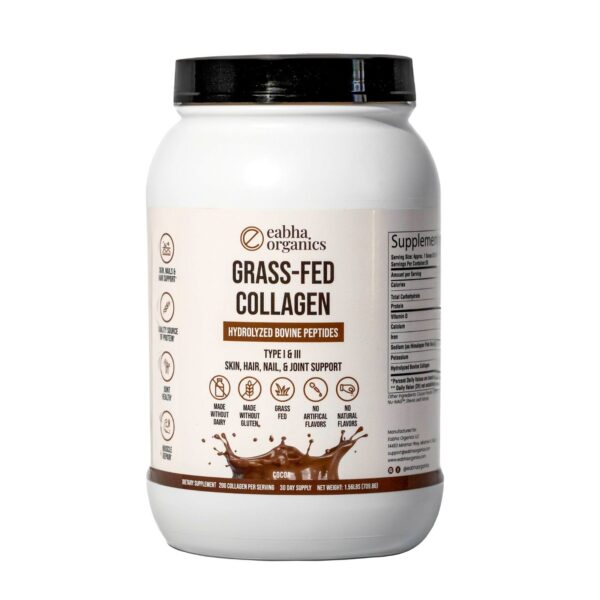
At Eabha Organics, our Grass-Fed Collagen is made with high-quality hydrolyzed collagen peptides and contains no artificial flavors, artificial sweeteners, or unnecessary fillers. Our goal is to provide a clean, simple collagen supplement that fits easily into a healthy lifestyle.
Who May Benefit Most?
People who may consider collagen for skin include:
- Adults noticing age-related skin changes
- Individuals looking to support skin hydration and elasticity
- People wanting additional collagen as part of an overall wellness routine
Keep in mind that collagen is not a substitute for a balanced diet or good skincare habits. Instead, it should be viewed as one tool that may help support healthy skin over time.
So, does collagen really help your skin?
Current research suggests that collagen for skin may help support skin hydration, elasticity, and overall skin appearance when taken consistently over time.
However, collagen is not a miracle supplement, and it cannot replace healthy daily habits.
The best results come from combining collagen supplementation with a balanced diet, regular exercise, adequate sleep, proper hydration, stress management, and daily sun protection.
If you’re considering adding collagen to your routine, choose a high-quality product, stay consistent, and remember that improvements often take several weeks—not several days.
At Eabha Organics, we believe in taking a science-based approach to wellness. While no supplement can promise perfect skin, combining healthy lifestyle habits with a quality collagen supplement may help support your skin as you age.
Healthy skin is built over time—and consistency will always matter more than quick fixes.