

Intermittent Fasting: What Is It and How Does It Work?
Intermittent fasting has become a popular approach to eating, especially among people looking to lose weight, improve their eating habits, or simplify their daily routine.
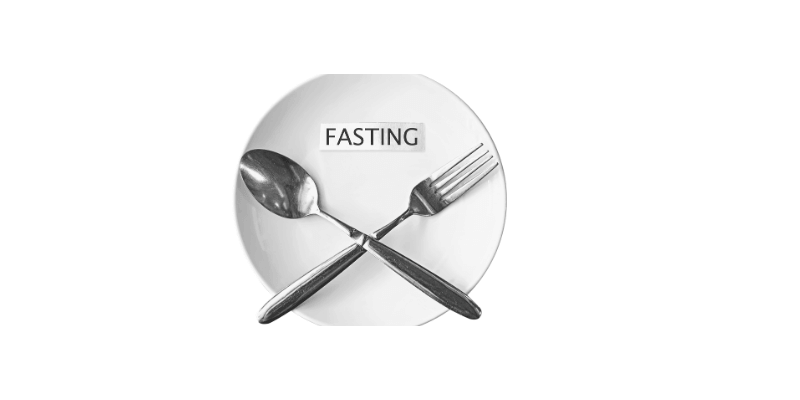
Intermittent fasting has become a popular approach to eating, especially among people looking to lose weight, improve their eating habits, or simplify their daily routine.
Some people swear by it, while others wonder whether skipping meals is actually beneficial or just another diet trend.
So, what is intermittent fasting, and how does it work?
The idea is simpler than you might think. Instead of focusing primarily on what you eat, intermittent fasting focuses on when you eat.
Let’s break down how it works, the different methods, the potential benefits, and what you should know before trying it.
What Is Intermittent Fasting?
Intermittent fasting is an eating pattern that alternates between periods of eating and periods of fasting.
Unlike traditional diets, which usually focus on restricting certain foods or counting calories, intermittent fasting focuses on setting specific times for meals.
During a fasting period, you avoid foods and calorie-containing drinks. Water, plain tea, and black coffee are commonly consumed during the fasting window.
There are several ways to practice intermittent fasting, and the best approach depends on your schedule, preferences, and health needs.
It’s important to understand that intermittent fasting isn’t necessarily a diet that tells you what foods to eat. You can follow an eating window and still consume a diet that’s either nutritious or lacking in important nutrients.
The timing of your meals matters, but the quality and quantity of your food still matter too.
Your body uses energy from the food you eat to support everyday functions, physical activity, and exercise.
After a meal, your body breaks down carbohydrates into glucose, which can be used for energy or stored for later use. Your body also stores energy as glycogen, primarily in your liver and muscles.
When you go several hours without eating, your body gradually relies more on stored energy to meet its needs. As fasting continues, the contribution of stored fat to energy production can increase.
This is one reason intermittent fasting has attracted attention among people interested in weight management.
However, there’s an important distinction to understand.
Using more stored fat for energy during a fasting period doesn’t automatically mean you’ll lose more body fat overall.
Long-term fat loss depends largely on maintaining a calorie deficit over time. If intermittent fasting helps you eat fewer calories consistently, it may support weight loss. If you consume the same number of calories during your eating window, fasting doesn’t guarantee additional fat loss.
Intermittent fasting can be a useful tool, but it isn’t a shortcut around the fundamentals of nutrition.
There isn’t just one way to practice intermittent fasting. Here are three common approaches.
1. The 16:8 Method
The 16:8 method involves fasting for 16 hours and eating during an eight-hour window each day.
For example, you might eat between noon and 8 p.m. and fast from 8 p.m. until noon the following day.
This approach is popular because some of the fasting period happens while you’re sleeping.
It can also be relatively simple to follow if you naturally prefer eating later in the day.
However, a 16-hour fast isn’t necessary for everyone. If it leaves you overly hungry, tired, or unable to eat enough nutritious food, a shorter fasting period may be more appropriate.
2. The 14:10 Method
The 14:10 method involves fasting for 14 hours and eating during a 10-hour window.
For example, you might eat between 9 a.m. and 7 p.m.
This gives you a longer eating window than the 16:8 method and may be easier to fit around work, family meals, and exercise.
You don’t have to start with the most restrictive approach. If you’re interested in intermittent fasting, choosing a schedule that fits your life is more practical than forcing yourself to follow a rigid routine.
3. The 5:2 Method
The 5:2 approach involves eating normally on five days of the week and substantially reducing calorie intake on the other two days.
It differs from daily time-restricted eating because it focuses on calorie intake across the week rather than setting the same eating window every day.
However, the reduced-calorie days can be challenging, and this approach isn’t suitable for everyone.
You don’t need to use the 5:2 method to experience the potential benefits of a structured eating routine.
Intermittent fasting may offer benefits for some people, particularly when it helps them develop a consistent eating pattern.
However, the results vary, and fasting isn’t necessarily more effective than other sustainable approaches to nutrition.
1. It May Help With Weight Loss
One of the main reasons people try intermittent fasting is to lose weight.
By limiting the hours available for eating, some people naturally consume fewer calories. For example, someone who regularly snacks late at night might find that setting an eating window helps reduce their overall calorie intake.
Over time, consistently consuming fewer calories than your body uses can lead to weight loss.
However, intermittent fasting doesn’t guarantee a calorie deficit. It’s still possible to consume more calories than you need during your eating window.
The key is finding an eating pattern that helps you manage your intake without leaving you constantly hungry or making your diet difficult to maintain.
2. It May Help Simplify Your Routine
Some people enjoy intermittent fasting because it gives their day more structure.
Instead of planning several meals and snacks throughout the day, they follow a set eating window.
For someone who doesn’t feel hungry early in the morning, delaying breakfast may feel natural and convenient.
For others, skipping breakfast can make them feel tired, distracted, or overly hungry later in the day.
Neither experience means intermittent fasting is automatically right or wrong. It simply shows that eating patterns affect people differently.
3. It May Improve Some Metabolic Health Markers
Research suggests that intermittent fasting can improve certain metabolic health markers in some people, including body weight, blood sugar regulation, and insulin sensitivity.
These effects may partly result from weight loss and reduced calorie intake rather than fasting itself.
The evidence is still developing, and studies don’t consistently show that intermittent fasting is superior to other calorie-controlled eating patterns.
It’s also important to distinguish between improving a health marker and preventing or treating a medical condition. If you have a health condition, speak with a healthcare professional before making significant changes to your eating schedule.
Although intermittent fasting works well for some people, it isn’t ideal for everyone.
Understanding the potential drawbacks can help you decide whether it’s worth trying.
1. You May Feel Hungry or Low on Energy
When you first change your eating schedule, you may experience hunger, irritability, headaches, or difficulty concentrating.
Some people adjust over time, while others continue to feel uncomfortable.
If fasting leaves you feeling consistently weak, dizzy, or unable to concentrate, don’t ignore those symptoms. You may need to change your approach or stop fasting.
2. It Can Make Eating Enough Nutrients More Difficult
A shorter eating window can make it harder to consume enough calories, protein, fiber, vitamins, and minerals.
This can be particularly challenging if you’re physically active, have a high calorie requirement, or struggle to eat large meals.
Your body still needs adequate nutrition, regardless of when you eat.
If you choose to fast, prioritize balanced meals that include protein-rich foods, fruits, vegetables, healthy fats, and carbohydrates that support your energy needs.
3. It May Affect Your Workouts
Intermittent fasting can make training more difficult for some people, particularly if they exercise during a long fasting period.
You might notice lower energy, reduced workout performance, or difficulty eating enough to support muscle recovery.
Other people feel perfectly fine training before their first meal.
If building muscle or improving athletic performance is your priority, pay attention to how fasting affects your workouts and recovery. You don’t need to train fasted to lose body fat or build muscle.
Not necessarily.
Intermittent fasting can help some people manage their calorie intake, but research generally doesn’t show that it consistently produces greater weight loss than conventional calorie restriction when overall calorie intake is similar.
For example, someone who eats three balanced meals each day can lose weight if they consistently consume fewer calories than they use.
Someone following a 16:8 fasting schedule can also lose weight if they achieve the same calorie deficit.
Both approaches can work.
The better choice depends on which eating pattern helps you meet your nutritional needs, maintain your energy, and stay consistent over time.
You don’t need to skip breakfast, delay lunch, or follow a strict fasting window to be healthy.
If your goal is to build muscle, intermittent fasting isn’t necessarily a problem, but it can make nutrition more challenging.
Building muscle requires consistent resistance training, sufficient protein, adequate calories, and enough recovery.
A shorter eating window may make it harder to consume enough food, especially if you’re trying to gain weight.
It can also limit the opportunities you have to distribute protein across your meals.
If you’re trying to build muscle, focus on getting enough total calories and protein throughout the day. If intermittent fasting makes that difficult, a more flexible eating schedule may be a better fit.
You can build muscle without fasting, and you can build muscle while following a fasting schedule if your overall nutrition and training support that goal.
Intermittent fasting isn’t suitable for everyone.
You should seek medical guidance before trying it if you have diabetes, take medication that can cause low blood sugar, or have a medical condition that affects your nutritional needs.
Fasting may also be inappropriate for people who are pregnant or breastfeeding, those who are underweight, and people with a current or previous eating disorder.
Children and teenagers generally shouldn’t follow restrictive fasting schedules unless specifically advised and supervised by an appropriate healthcare professional.
If you have a medical condition or take medication that needs to be coordinated with meals, speak with your healthcare professional before changing your eating schedule.
Intermittent fasting is an eating pattern that alternates between periods of eating and fasting. Popular approaches include the 16:8, 14:10, and 5:2 methods.
For some people, intermittent fasting can simplify their routine and help them lose weight by making it easier to manage calorie intake. However, it isn’t a magic solution, and it doesn’t guarantee better results than other sustainable eating patterns.
Your overall nutrition still matters. You need enough calories, protein, healthy fats, vitamins, minerals, and fiber to support your health and activity level.
If you enjoy eating within a set window and feel good doing it, intermittent fasting may be an option worth discussing with a healthcare professional when appropriate.
If you prefer eating regular meals throughout the day, that’s fine too.
The best eating pattern isn’t the one with the strictest rules. It’s the one that supports your health, meets your nutritional needs, and fits your life over the long term.
— Eabha Organics
Intermittent fasting has become a popular approach to eating, especially among people looking to lose weight, improve their eating habits, or simplify their daily routine.
Your gut health plays an important role in your overall well-being. Your digestive system helps break down food, absorb nutrients, and support many of the processes your body relies on every day.
Anxiety is something many people experience at different points in their lives. Whether it’s caused by work, financial pressure, relationships, or everyday stress, feeling anxious can affect your mood, sleep, concentration, and overall well-being.
When a headache strikes, it’s natural to want relief as quickly as possible. The good news is that some simple habits may help ease headache pain,
If you’re trying to lose weight, you probably think about your diet, your workouts, and how many calories you eat. But there’s another factor that matters: how much you move throughout the day.
GLP-1 is a natural hormone that helps regulate blood sugar and appetite. Some medications mimic its effects, helping people feel full, eat less, and manage certain health conditions.