
5 Natural Ways to Relieve a Headache
When a headache strikes, it’s natural to want relief as quickly as possible. The good news is that some simple habits may help ease headache pain,

Nearly half of U.S. adults have high blood pressure, making it one of the most common health concerns in the country. The tricky part is that high blood pressure often doesn’t cause noticeable symptoms, so many people may not realize their numbers are elevated until they have them checked.
The good news is that your daily habits can have a meaningful impact on your blood pressure. Eating a heart-healthy diet, staying active, getting enough sleep, managing stress, and maintaining a healthy weight can all support healthier blood pressure levels.
If you’re wondering how to lower blood pressure naturally, start with the habits that make the biggest difference over time.
One of the best places to start is with your diet.
A heart-healthy eating pattern doesn’t have to mean following a complicated meal plan or eliminating all of your favorite foods. Instead, focus on building most of your meals around foods that provide plenty of nutrients without excessive sodium, saturated fat, and added sugar.
Try incorporating more:
The DASH eating plan, which stands for Dietary Approaches to Stop Hypertension, is one well-studied approach for lowering blood pressure. Research supported by the National Heart, Lung, and Blood Institute has found that DASH can reduce blood pressure, with even greater benefits when combined with lower sodium intake.
You don’t necessarily have to follow DASH perfectly to benefit from the same principles. Simply eating more whole, minimally processed foods and making fruits, vegetables, whole grains, and other nutrient-dense foods a regular part of your diet is a great place to begin.
If you’re trying to lower your blood pressure naturally, sodium is one nutrient worth paying attention to.
Sodium isn’t inherently bad. Your body needs it for important functions such as fluid balance and nerve signaling. The problem is that many people consume more sodium than they need, particularly from processed and restaurant foods.
The current DASH recommendations use 2,300 mg of sodium per day as a general target, with 1,500 mg potentially lowering blood pressure even further.
You don’t have to remove every bit of salt from your diet. Instead, look for the biggest sources of sodium in your routine.
Reading nutrition labels, choosing lower-sodium versions of packaged foods, eating more fresh foods, and using herbs, spices, lemon, or lime for flavor can make it easier to reduce your intake without making meals bland.
Your heart is a muscle, and regular physical activity helps support cardiovascular health.
You don’t need to spend hours doing cardio every day. Walking, cycling, swimming, jogging, dancing, sports, and other activities you genuinely enjoy can all contribute to a more active lifestyle.
Resistance training is valuable too. A combination of aerobic activity and muscle-strengthening exercise can help support cardiovascular health and blood pressure.
If you’re currently inactive, start where you are. Even shorter periods of movement can be useful, and you can gradually increase the amount and intensity as your fitness improves.
The most important part is finding activities you can realistically stick with.
Carrying excess body weight can contribute to higher blood pressure, so if you’re overweight or have obesity, gradual weight loss may help improve your numbers.
You don’t need to make dramatic changes overnight. Even modest weight loss can provide health benefits. The NHLBI notes that losing just 3% to 5% of body weight can improve blood pressure, while losing 5% to 10% over six months can provide broader health benefits for adults living with overweight or obesity.
Instead of chasing an extreme diet, focus on sustainable habits: eating nutritious foods, controlling portions, staying active, and finding a calorie intake that supports gradual progress.
Healthy weight management should be about improving your health, not simply reaching a certain number on the scale.
Sleep is another important part of cardiovascular health that is easy to overlook.
Consistently getting too little sleep or having poor-quality sleep is associated with higher blood pressure.
For most adults, aiming for around seven to nine hours of sleep each night is a good starting point. But quantity isn’t the only factor. Your sleep routine and overall sleep quality matter too.
Try keeping a consistent bedtime, limiting distractions before bed, and making your bedroom dark, cool, and quiet.
If you regularly wake up exhausted despite getting enough time in bed, or if you snore heavily or frequently wake up gasping or choking, it’s worth discussing your sleep with a healthcare professional. Conditions such as sleep apnea can be associated with high blood pressure.
Stress is a normal part of life, but chronic stress can make it harder to maintain healthy habits and may contribute to cardiovascular problems.
You don’t need to eliminate stress completely. Instead, find ways to manage it that actually fit into your life.
That could mean going for a walk, exercising, spending time outside, practicing meditation, trying breathing exercises, doing yoga, spending time with people you enjoy, or simply taking a few minutes each day to slow down.
There isn’t one perfect stress-management technique. What matters is finding something that helps you regularly step away from the constant pressure of daily life. Stress-management strategies are included among the lifestyle approaches recommended for supporting healthy blood pressure. (NHLBI, NIH)
Some habits can work against your efforts to maintain healthy blood pressure.
If you drink alcohol, reducing your intake can help support healthier blood pressure. The American Heart Association recommends drinking less or no alcohol for blood-pressure management.
Smoking is another important factor. Nicotine can temporarily raise blood pressure, while smoking also increases cardiovascular risk. If you smoke, quitting is one of the most meaningful steps you can take for your overall heart health
These changes may not feel directly related to blood pressure at first, but they become much more meaningful when you look at your cardiovascular health as a whole.
It’s understandable to look toward supplements when you’re trying to improve your health naturally.
Some nutrients and supplements have been studied for their potential effects on blood pressure, but the evidence varies considerably depending on the ingredient, dose, and individual.
That’s why supplements shouldn’t be treated as a shortcut or a replacement for healthy eating, exercise, sleep, and other foundational habits.
If you’re taking medication or have been diagnosed with high blood pressure, talk with a healthcare professional before adding a supplement. Some supplements can interact with medications or affect blood pressure in ways you may not expect.
At Eabha Organics, we believe supplements should complement a healthy lifestyle rather than replace it. That’s why we focus on simple formulas, meaningful doses, and ingredients with a clear purpose instead of making exaggerated promises.
You can’t manage something you never measure.
Because high blood pressure often doesn’t cause obvious symptoms, checking your numbers is one of the simplest ways to know where you stand.
If you’re monitoring your blood pressure at home, the American Heart Association recommends using a validated automatic upper-arm cuff and following proper measurement technique. Sit quietly for at least five minutes beforehand, keep your feet flat on the floor, support your arm at heart level, and avoid talking during the measurement.
Keeping a record of your readings can also help you and your healthcare professional understand your blood pressure over time rather than relying on a single measurement.
Lifestyle changes are an important part of maintaining healthy blood pressure, but consistently elevated readings shouldn’t be ignored.
Blood pressure is generally considered high when readings consistently reach 130/80 mm Hg or higher. A single elevated reading doesn’t necessarily mean you have hypertension, which is why repeated measurements and professional evaluation matter.
If your readings are consistently elevated, talk with a healthcare professional about your overall health and the best way to manage your blood pressure.
Learning how to lower blood pressure naturally doesn’t require completely changing your life overnight.
Start with the fundamentals: eat more heart-healthy foods, pay attention to sodium, stay active, work toward a healthy weight if needed, prioritize quality sleep, manage stress, and limit alcohol while avoiding tobacco.
None of these habits is a magic solution on its own. But when you consistently put several of them together, they can make a meaningful difference in your cardiovascular health and help support healthier blood pressure over time.
Your health doesn’t need to be complicated.
Start with a few habits you can actually maintain, build from there, and give your body the consistency it needs to benefit from the changes.
When a headache strikes, it’s natural to want relief as quickly as possible. The good news is that some simple habits may help ease headache pain,
If you’re trying to lose weight, you probably think about your diet, your workouts, and how many calories you eat. But there’s another factor that matters: how much you move throughout the day.
GLP-1 is a natural hormone that helps regulate blood sugar and appetite. Some medications mimic its effects, helping people feel full, eat less, and manage certain health conditions.
The ketogenic diet has become popular among people who want to lose body fat, improve their health, or change their body composition. By cutting carbohydrates and eating more fat, the goal is to get the body to rely more heavily on fat for fuel.
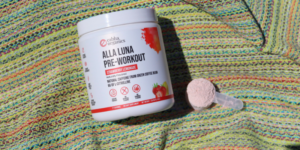
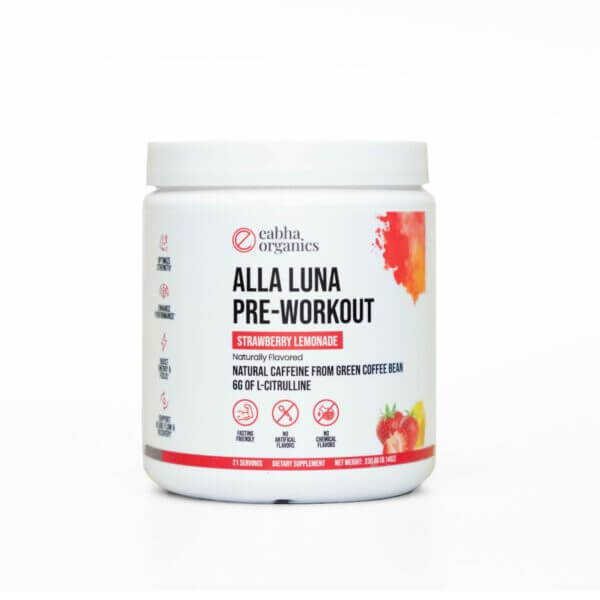
Whether you’re getting ready for a workout, heading out for the evening, or simply need a little extra energy and focus during the day, Alla Luna was designed to be a versatile part of your routine.
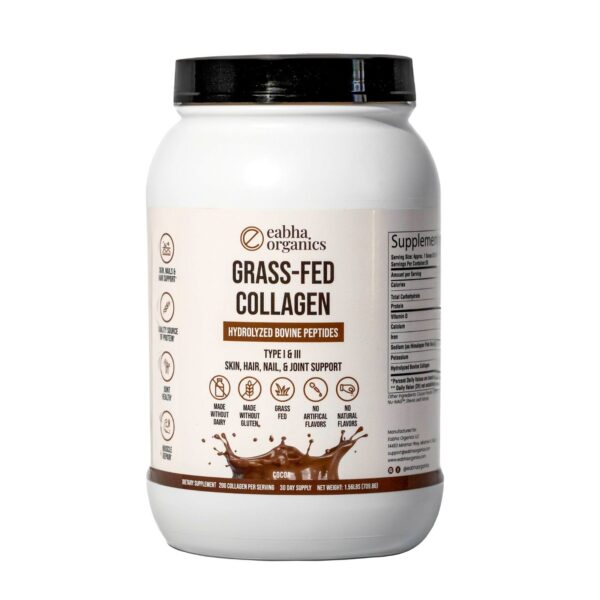
At Eabha Organics, collagen is one of our favorite protein supplements. Not because we believe it’s the only protein you need or that it’s better than every other option, but because collagen offers something different.