Benefits of Vitamin E: The Essential Nutrient That Helps Protect Your Body Every Day
When most people think about vitamins, they often focus on Vitamin C, Vitamin D, or the B vitamins. Yet one of the most important nutrients for long-term health often gets overlooked: Vitamin E.
Vitamin E is a powerful antioxidant that helps protect your cells from damage, supports immune function, promotes healthy skin, and plays an important role in overall wellness. While it may not receive the same attention as other vitamins, it is essential for maintaining healthy tissues throughout the body.
In this guide, we’ll explore the benefits of Vitamin E, what it actually does inside the body, the best food sources, whether supplementation is necessary, and how to ensure you’re getting enough of this important nutrient.
What Is Vitamin E?
Vitamin E is a fat-soluble vitamin that acts primarily as an antioxidant. Antioxidants help protect cells from oxidative stress, a process that occurs when unstable molecules called free radicals damage healthy cells.
Every day, your body is exposed to free radicals through normal metabolism, exercise, environmental pollution, UV exposure, and other factors. Over time, excessive oxidative stress may contribute to cellular damage and accelerated aging.
One of Vitamin E’s primary jobs is to help neutralize these free radicals before they can damage cells.
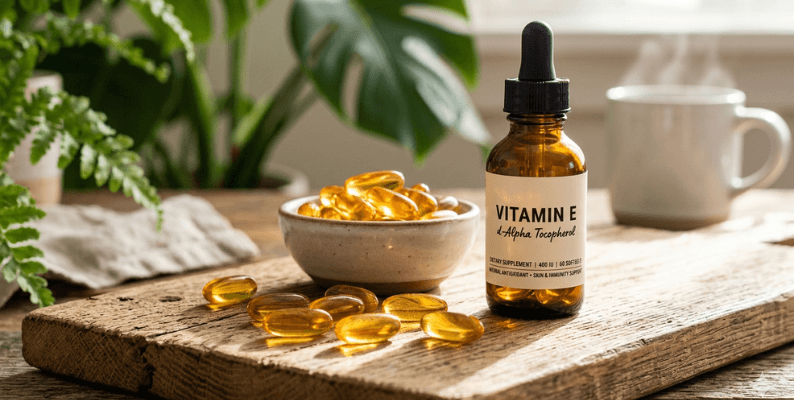
Vitamin E is actually a group of eight compounds, but the most biologically active form in humans is known as alpha-tocopherol. This is the form most commonly found in foods and dietary supplements.
Why Vitamin E Matters More Than Most People Realize
Think of Vitamin E as part of your body’s internal protection system.
Your body is constantly repairing itself, producing energy, fighting off infections, and recovering from daily stress. During all of these processes, oxidative stress is naturally created.
Vitamin E helps provide a layer of protection that supports healthy cells, tissues, and organs throughout the body.
Rather than working on one specific system, Vitamin E supports multiple areas of health simultaneously.
Benefits of Vitamin E
1. Supports Antioxidant Protection
One of the most well-known benefits of Vitamin E is its antioxidant activity.
Antioxidants help protect cells from oxidative damage caused by free radicals. This protection may help support healthy aging and overall wellness over time.
Since every organ and tissue in the body contains cells that are vulnerable to oxidative stress, antioxidant protection is important for overall health.
2. Supports Healthy Skin
Vitamin E is frequently found in skincare products for a reason.
It helps support healthy skin by protecting skin cells from oxidative damage and environmental stressors.
Many people consume Vitamin E-rich foods as part of a healthy diet that supports skin appearance and overall skin health.
Because skin is continuously exposed to sunlight, pollution, and environmental stress, antioxidant nutrients like Vitamin E can play an important supporting role.
3. Supports Immune Function
A healthy immune system depends on adequate nutrition.
Vitamin E helps support normal immune function and may assist the body’s natural defense systems.
Research has shown that maintaining healthy Vitamin E levels is important for immune health throughout life.
4. Supports Eye Health
Your eyes are exposed to light and oxidative stress every day.
Vitamin E helps provide antioxidant support that may help maintain healthy eye tissues as part of an overall balanced diet.
Combined with other nutrients such as Vitamin C, zinc, and carotenoids, Vitamin E contributes to overall eye health.
5. Supports Heart Health
Vitamin E’s antioxidant properties may help support cardiovascular health by helping protect cells from oxidative stress.
While Vitamin E should never be viewed as a replacement for a healthy lifestyle, consuming adequate amounts through foods can be part of a heart-conscious diet.
6. Supports Exercise Recovery
Exercise naturally increases oxidative stress in the body.
This is not necessarily a bad thing—it’s part of how the body adapts and grows stronger. However, nutrients like Vitamin E help support recovery by assisting the body’s natural antioxidant defenses.
This is one reason athletes and active individuals often pay attention to their intake of antioxidant-rich foods.
Foods High in Vitamin E
The good news is that Vitamin E is found in many nutritious foods.
Some of the best natural sources include:
Nuts and Seeds
- Sunflower seeds
- Almonds
- Hazelnuts
- Pine nuts
- Peanuts
Plant Oils
- Sunflower oil
- Safflower oil
- Olive oil
Vegetables
- Spinach
- Swiss chard
- Beet greens
- Broccoli
- Asparagus
Fruits
Other Sources
- Fortified cereals
- Eggs
- Certain seafood
Among all food sources, sunflower seeds and almonds are considered some of the richest natural sources of Vitamin E.
Can You Get Enough Vitamin E From Food Alone?
For many people, yes.
A balanced diet that includes nuts, seeds, healthy fats, vegetables, and fruits can often provide adequate amounts of Vitamin E.
However, some individuals may struggle to get enough, including:
- People following highly restrictive diets
- Individuals who avoid dietary fats
- Those with certain digestive disorders
- People with conditions affecting fat absorption
Because Vitamin E is fat-soluble, your body absorbs it best when consumed alongside dietary fat.
For example, spinach cooked with olive oil provides better absorption than spinach eaten completely fat-free.
Should You Take a Vitamin E Supplement?
The answer depends on your individual needs.
For many healthy adults, obtaining nutrients from food should remain the primary goal.
Whole foods provide:
- Fiber
- Healthy fats
- Minerals
- Phytonutrients
- Additional antioxidants
However, supplements may be beneficial for individuals who struggle to meet their nutritional needs through diet alone.
Before taking high-dose Vitamin E supplements, it’s always a good idea to consult a healthcare professional, especially if you take medications or have existing medical conditions.
More is not always better when it comes to supplementation.
Signs You May Not Be Getting Enough Vitamin E
True Vitamin E deficiency is relatively uncommon, but low intake can occur.
Potential signs may include:
- Muscle weakness
- Vision problems
- Nerve-related symptoms
- Impaired immune function
These symptoms can have many causes, so proper evaluation by a healthcare professional is important.
When discussing the benefits of Vitamin E, it’s easy to focus only on its antioxidant properties. But Vitamin E does much more than that.
From supporting healthy skin and immune function to helping protect cells from oxidative stress, Vitamin E plays a vital role in maintaining overall health.
The best approach is to prioritize nutrient-dense foods such as nuts, seeds, vegetables, avocados, and healthy oils while maintaining a balanced lifestyle.
Although Vitamin E may not always receive the spotlight, it remains one of the body’s most valuable nutrients for long term health and cellular protection.
Talk Soon, Eabha Organics