
How to Improve Your Gut Health Naturally
Your gut health plays an important role in your overall well-being. Your digestive system helps break down food, absorb nutrients, and support many of the processes your body relies on every day.
When people think about cardio, they often picture sprinting on a treadmill, intense HIIT workouts, or pushing themselves to exhaustion.
While high-intensity exercise certainly has its place, there’s another form of training that has become increasingly popular among athletes, fitness experts, and researchers alike: zone 2 cardio.
Despite being lower in intensity, zone 2 cardio has been shown to improve endurance, support heart health, increase fat metabolism, and even enhance recovery from strength training.
So what exactly is Zone 2, and why are so many experts recommending it?
Let’s break it down.
Zone 2 cardio refers to exercising at a moderate intensity where your body primarily uses oxygen and fat as fuel.
Heart rate is commonly divided into five training zones based on a percentage of your maximum heart rate. Zone 2 typically falls around 60–70% of your maximum heart rate, although this can vary slightly depending on the method used.
An easier way to identify Zone 2 is the “talk test.”
During zone 2 cardio, you should be able to carry on a conversation, but you probably wouldn’t want to sing. Your breathing is deeper than normal, but you’re still exercising comfortably enough to maintain the pace for an extended period.
This makes Zone 2 very different from high-intensity interval training, where speaking more than a few words can become difficult.
Over the past several years, researchers and performance experts have placed greater emphasis on aerobic fitness as one of the strongest predictors of long-term health.
One reason zone 2 cardio has gained so much attention is because it helps improve the body’s ability to produce energy efficiently.
Instead of relying heavily on carbohydrates during exercise, your body becomes better at utilizing fat as a fuel source while improving overall cardiovascular fitness.
This creates benefits that extend far beyond your workouts.
Your heart is a muscle.
Like any other muscle, it becomes stronger and more efficient when trained consistently.
Regular zone 2 cardio helps improve the heart’s ability to pump blood throughout the body, delivering oxygen and nutrients more efficiently to your muscles and organs.
Over time, this can contribute to better cardiovascular fitness and improved endurance.
One of the biggest reasons people perform zone 2 cardio is because of its effect on fat metabolism.
At moderate intensities, your body relies more heavily on fat for energy compared to very intense exercise.
This doesn’t mean Zone 2 is a magic fat-loss solution.
Overall fat loss still depends primarily on maintaining a calorie deficit over time.
However, improving your body’s ability to efficiently use fat as fuel can support endurance performance and metabolic health.
Whether your goal is lifting weights, running, cycling, hiking, or simply staying active, aerobic fitness provides the foundation for nearly every physical activity.
As your aerobic system improves, everyday activities often feel easier, and you may recover more quickly between sets during resistance training or between workouts throughout the week.
Many elite endurance athletes spend a surprisingly large portion of their training performing zone 2 cardio because it allows them to build endurance without creating excessive fatigue.
High-intensity workouts are valuable, but they also place significant stress on your body.
Performing intense cardio several times per week can sometimes interfere with strength training recovery if not properly managed.
One advantage of zone 2 cardio is that it provides cardiovascular benefits while producing much less fatigue.
This makes it easier to recover and continue performing well during resistance training sessions.
For people whose primary goal is building muscle while maintaining cardiovascular health, this balance can be especially beneficial.
One of the most common questions people ask is how to tell if they’re actually training in Zone 2.
There are several methods you can use:
Use Your Heart Rate
A general guideline is that zone 2 cardio falls around 60–70% of your maximum heart rate.
One simple estimate for maximum heart rate is:
220 – your age
This isn’t perfect, but it provides a reasonable starting point for most healthy adults.
Many fitness watches and heart rate monitors can also help you stay within your target heart rate during exercise.
The Talk Test
If you don’t have a heart rate monitor, the talk test works surprisingly well.
During zone 2 cardio, you should be able to speak in complete sentences without gasping for air.
If you can barely talk, you’re probably exercising too hard.
If carrying on a conversation feels effortless, you may need to increase your pace slightly.
One of the best things about zone 2 cardio is that almost any aerobic activity can work.
Popular options include:
The best choice is the one you’ll enjoy enough to perform consistently.
There isn’t one perfect answer, but many health organizations recommend accumulating around 150 minutes of moderate-intensity aerobic exercise per week.
This could look like:
Even adding two or three sessions each week can provide meaningful health benefits.
Absolutely.
In fact, strength training and zone 2 cardio complement each other very well.
Resistance training helps build muscle, strength, and bone density.
Zone 2 cardio improves cardiovascular fitness, endurance, and recovery.
Combining both creates a well-rounded fitness program that supports long-term health and performance.
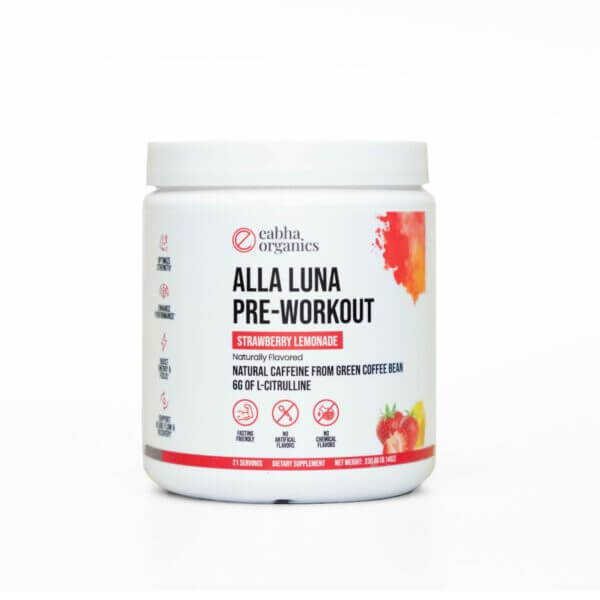
Whether you use a pre-workout before Zone 2 cardio depends on your personal preference and training goals.
Many people perform Zone 2 sessions first thing in the morning or before work, when energy levels may be lower.
In those situations, a well-formulated pre-workout can help support:
If you choose to use one, look for products with transparent ingredients and avoid unnecessary artificial additives.
Eabha Organics, we believe supplements should support an already healthy lifestyle—not replace one. A clean pre-workout can be a useful tool, but regular exercise, quality sleep, balanced nutrition, and proper recovery will always be the foundation of long-term results.
One of the biggest mistakes people make with zone 2 cardio is exercising too hard.
Many people unintentionally drift into higher heart rate zones because they believe harder always means better.
The goal of Zone 2 is consistency, not exhaustion.
Other common mistakes include:
Like strength training, improvements in cardiovascular fitness happen gradually with consistent effort over time.
If you’re looking for one of the most effective ways to improve your overall health, endurance, and cardiovascular fitness, zone 2 cardio deserves a place in your routine.
While high-intensity workouts certainly have benefits, they shouldn’t be your only form of cardiovascular exercise.
Zone 2 training provides a sustainable way to strengthen your heart, improve endurance, support fat metabolism, and enhance recovery—all while placing less stress on your body than all-out workouts.
The best part is that you don’t need expensive equipment or elite fitness levels to get started.
A brisk walk, an easy bike ride, or a steady jog performed consistently can produce meaningful improvements over time.
Lasting health comes from building simple habits you can maintain for years. Combined with regular strength training, quality nutrition, proper recovery, and consistency, zone 2 cardio can become one of the most valuable tools for improving both your fitness and your long-term health.
Your gut health plays an important role in your overall well-being. Your digestive system helps break down food, absorb nutrients, and support many of the processes your body relies on every day.
Anxiety is something many people experience at different points in their lives. Whether it’s caused by work, financial pressure, relationships, or everyday stress, feeling anxious can affect your mood, sleep, concentration, and overall well-being.
When a headache strikes, it’s natural to want relief as quickly as possible. The good news is that some simple habits may help ease headache pain,
If you’re trying to lose weight, you probably think about your diet, your workouts, and how many calories you eat. But there’s another factor that matters: how much you move throughout the day.
GLP-1 is a natural hormone that helps regulate blood sugar and appetite. Some medications mimic its effects, helping people feel full, eat less, and manage certain health conditions.
The ketogenic diet has become popular among people who want to lose body fat, improve their health, or change their body composition. By cutting carbohydrates and eating more fat, the goal is to get the body to rely more heavily on fat for fuel.