Is Fasted Cardio Better for Fat Loss?
Fasted cardio has become one of the most debated topics in fitness. Some people swear by doing cardio on an empty stomach first thing in the morning, while others believe it offers no real advantage for fat loss.
In this article, we’ll break down what fasted cardio actually is, what the research says, its pros and cons, and whether it really makes a difference compared to regular cardio.
What Is Fasted Cardio?
Fasted cardio simply means doing cardiovascular exercise while your body is in a “fasted state,” usually after not eating for 8–12 hours, such as first thing in the morning before breakfast.
During this time, insulin levels are low and your body may rely more on stored fat for energy during exercise.
This is the main reason people believe fasted cardio is better for fat loss.
Does Fasted Cardio Burn More Fat?
When you look at short-term studies, fasted cardio can increase fat oxidation during the workout itself. This means your body may use a higher percentage of fat for fuel while you are exercising.
However, this does not automatically mean more fat loss over time.
Fat loss is determined by:
- total calories burned
- total calories consumed
- consistency over time
Your body doesn’t just burn fat during a workout — it adapts across the entire day.
So while fasted cardio may slightly increase fat usage during exercise, it does not necessarily lead to greater overall fat loss compared to fed cardio when calories are equal.
What Does the Research Say?
Most research shows that there is no significant difference in long-term fat loss between fasted and fed cardio when total calorie intake is the same.
In other words:
- fasted cardio = more fat used during workout
- fed cardio = better performance for many people
- total fat loss = essentially the same over time
This is why many fitness professionals say that consistency and calorie balance matter far more than timing.
Pros of Fasted Cardio
Even though it doesn’t necessarily burn more fat overall, fasted cardio can still have some benefits:
- Convenient for morning routines
- May feel lighter for some people
- Can improve discipline and consistency
- Some people prefer training without food
For certain individuals, it can be a useful tool simply because it fits their lifestyle better.
Cons of Fasted Cardio
Fasted cardio also has potential downsides:
- Lower energy levels during training
- Reduced endurance for high-intensity sessions
- Can feel more difficult or uncomfortable
- Not ideal for strength or performance-focused training
Energy, Performance, and Training Output
One of the most overlooked factors in this debate is training quality.
Even if fasted cardio slightly increases fat usage, it may reduce:
- workout intensity
- total calories burned
- endurance and effort level
This is where performance becomes important.
If your energy is lower, your overall workout output may decrease, which can cancel out any minor fat oxidation benefits.⸻
Where Pre-Workout Fits In
This is where many people adjust their routine.
Some individuals use a pre-workout supplement before training to support:
- energy levels
- focus
- endurance
- workout intensity
This can be especially useful if you prefer fasted cardio but still want strong performance during your session.
A well-formulated pre-workout can help bridge the gap between fasted and fed training by supporting energy output without requiring a full meal beforehand.
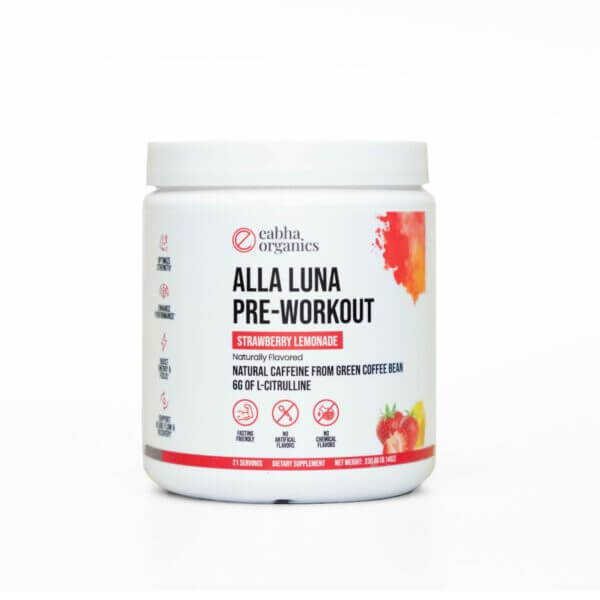
At Eabha Organics, Alla Luna pre-workout is designed to support training performance, energy, and endurance so you can get the most out of your workouts regardless of timing.
So Is Fasted Cardio Better for Fat Loss?
The short answer is:
No, fasted cardio is not significantly better for fat loss compared to fed cardio.
Fat loss is primarily driven by:
- maintaining a calorie deficit
- staying consistent with training
- supporting recovery and lifestyle habits
The timing of your cardio (fasted or fed) plays a much smaller role than most people think.
What Actually Matters Most for Fat Loss
If your goal is fat loss, these factors matter far more than whether you eat before cardio:
- total daily calories
- protein intake
- training consistency
- sleep quality
- stress management
- overall activity level
These are the real drivers of body composition change over time.
Fasted cardio is not a magic fat loss method, but it can be a useful tool depending on personal preference and lifestyle.
Some people enjoy it and stay consistent with it. Others perform better when they have eaten beforehand.
The most important factor is choosing the approach that allows you to train consistently and sustainably over time.
So when asking again: is fasted cardio better for fat loss?
The evidence suggests that consistency and overall lifestyle matter far more than whether you eat before your workout.
The best approach is the one you can stick to long-term while maintaining good performance and recovery.