What Is the Best Diet for Overall Health? A Science-Based Guide to Eating Better
With so many diets promising better health, faster weight loss, and improved energy, it can be difficult to know what eating approach is actually best. From low-carb diets to fasting, high-protein plans, and plant-based eating, there are countless opinions about the “right” way to eat.
The truth is that the best diet for overall health is not a strict set of rules or a short-term challenge. It is an eating pattern that provides your body with the nutrients it needs, supports your goals, and is realistic enough to maintain for years.
A healthy diet should help you feel energized, maintain a healthy body weight, support muscle and metabolism, and reduce the risk of chronic diseases. While different diets can work for different people, the healthiest approaches tend to share many of the same principles: eating mostly whole foods, getting enough protein, prioritizing fruits and vegetables, and limiting highly processed foods.
Why There Is No Single Best Diet for Everyone
One of the biggest mistakes people make is searching for a single diet that works perfectly for everyone. Human bodies are different, and nutritional needs can vary based on age, activity level, genetics, health goals, and lifestyle.
For example:
- Someone trying to build muscle may need more protein and calories.
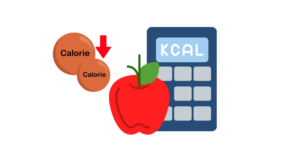
- Someone trying to lose weight may focus on portion control and calorie balance.
- An endurance athlete may require more carbohydrates for performance.
- Someone managing a health condition may need specific dietary adjustments.
This means the best diet for overall health is one that can be adapted to your personal needs while still focusing on high-quality foods.
Instead of asking, “Which diet is the best?” a better question is:
“Which eating pattern helps me consistently eat nutritious foods while supporting my goals?”
The Common Traits of Healthy Diets
Although popular diets often disagree on certain details, many of the healthiest diets in the world share similar foundations.
1. Focus on Whole, Minimally Processed Foods
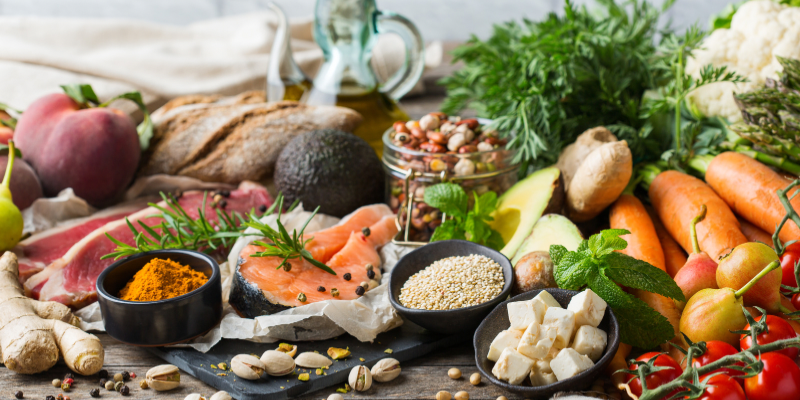
Whole foods are foods that are close to their natural state and usually contain more vitamins, minerals, fiber, and beneficial compounds.
Examples include:
- Fruits and vegetables
- Eggs
- Fish
- Lean meats
- Beans and legumes
- Nuts and seeds
- Whole grains
- Extra virgin olive oil
These foods provide essential nutrients that support everything from immune function to heart health.
Highly processed foods, especially those high in added sugars, refined oils, and excess calories, can make it easier to overeat while providing fewer nutrients.
This does not mean you can never enjoy treats. A healthy diet allows flexibility. The goal is creating a pattern where nutritious foods make up the majority of what you eat.
2. Eat Enough Protein
Protein is one of the most important nutrients for maintaining and building muscle, supporting metabolism, and keeping you feeling full.
Many people underestimate how important protein is, especially as they age. Adequate protein intake helps support muscle maintenance, which is important for long-term health and strength.
High-quality protein sources include:
- Chicken and turkey
- Fish and seafood
- Eggs
- Greek yogurt
- Cottage cheese
- Lean beef
- Tofu and legumes
The amount of protein someone needs depends on factors like body size, activity level, and goals, but making protein a priority is a key part of a healthy eating pattern.
3. Prioritize Fruits and Vegetables
Fruits and vegetables are some of the most nutrient-dense foods available. They provide:
- Fiber for digestive health
- Vitamins and minerals
- Antioxidants
- Plant compounds that support overall wellness
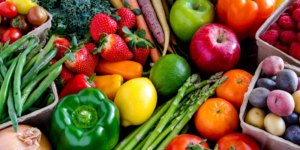
A simple goal is to include a variety of colors on your plate because different colored fruits and vegetables contain different beneficial nutrients.
Examples:
- Leafy greens for minerals and vitamins
- Berries for antioxidants
- Orange vegetables for carotenoids
- Cruciferous vegetables like broccoli for beneficial plant compounds
A diet rich in plants does not require you to eliminate animal products. Many healthy diets include both plant foods and animal-based foods.
The Mediterranean Diet: One of the Most Studied Healthy Eating Patterns
When researchers look at eating patterns linked with long-term health, the Mediterranean diet consistently ranks among the top choices. Rather than being a strict meal plan, it is a lifestyle approach based on the traditional foods commonly eaten in countries surrounding the Mediterranean Sea.
The Mediterranean diet emphasizes:
- Vegetables and fruits
- Whole grains
- Beans and legumes
- Nuts and seeds
- Olive oil as a primary fat source
- Fish and seafood
- Moderate amounts of dairy, eggs, and poultry
- Limited amounts of highly processed foods and added sugars
One reason the Mediterranean diet is considered one of the best diets for overall health is that it focuses on food quality rather than extreme restriction. It encourages eating nutrient-rich foods while still allowing flexibility.
Research has associated this eating pattern with benefits for heart health, metabolic health, and maintaining a healthy body weight. However, the biggest lesson from the Mediterranean diet is not that everyone needs to eat exactly the same foods—it is that a diet built around whole foods is a strong foundation for health.
High-Protein Diets: Are They Healthy?
In recent years, high-protein diets have become increasingly popular, especially among people who want to build muscle, lose fat, or improve body composition.
Protein plays several important roles in the body:
- Helps build and repair muscle tissue
- Supports a healthy metabolism
- Helps maintain fullness after meals
- Supports recovery after exercise
A higher-protein eating pattern can be especially useful for people who strength train because resistance exercise creates a greater demand for protein to repair and build muscle.
Good protein sources include:
- Lean meats
- Fish
- Eggs
- Greek yogurt
- Cottage cheese
- Protein-rich plant foods such as beans and lentils
However, a healthy diet should not focus only on protein. Your body also needs carbohydrates, healthy fats, fiber, vitamins, and minerals.
The healthiest high-protein diets usually combine adequate protein with plenty of vegetables, fruits, and high-quality sources of carbohydrates and fats.
Low-Carb Diets: Do They Work?
Low-carbohydrate diets have become popular because many people experience weight loss when reducing carbohydrates. However, the reason they often work is not necessarily because carbohydrates are unhealthy—it is often because reducing certain foods lowers overall calorie intake.
Carbohydrates are an important energy source, especially for people who exercise regularly.
Healthy carbohydrate sources include:
- Potatoes
- Sweet potatoes
- Oats
- Rice
- Whole grains
- Fruits
- Beans
The quality of carbohydrates matters. A diet focused on whole-food carbohydrates can be very different from a diet high in refined carbohydrates from sugary drinks, pastries, and processed snacks.
For some people, a lower-carb approach may feel easier to follow, while others perform better with more carbohydrates. The best approach is the one that supports your health goals and fits your lifestyle.
Plant-Based Diets: Are They the Healthiest Option?
Plant-based diets have gained attention because diets rich in fruits, vegetables, legumes, nuts, and whole grains are associated with many health benefits.
A well-planned plant-based diet can provide:
- High amounts of fiber
- A wide range of vitamins and minerals
- Beneficial plant compounds
- Healthy sources of carbohydrates and fats
However, “plant-based” does not automatically mean healthy. Someone could eat mostly processed foods that happen to be vegan and still have a poor-quality diet.
A healthy plant-based diet focuses on minimally processed foods such as vegetables, fruits, beans, lentils, nuts, seeds, and whole grains.
Many people find that a balanced approach—where plants make up a large portion of the diet while still including quality animal-based foods—works well for them.
The Best Diet Depends on Your Goal
The healthiest diet is not only about preventing disease—it should also help you accomplish your personal goals.
If Your Goal Is Weight Loss
A successful weight-loss diet should:
- Create a sustainable calorie deficit
- Include enough protein
- Provide plenty of fiber
- Keep you satisfied
- Be realistic long term
The best diet for weight loss is usually not the most restrictive one. It is the one you can consistently follow.
If Your Goal Is Building Muscle
A muscle-building diet should prioritize:
- Enough total calories
- Adequate protein intake
- Quality carbohydrates for training performance
- Healthy fats for hormone function
Strength training combined with proper nutrition is one of the most effective ways to improve body composition.
If Your Goal Is Better Energy and General Wellness
Focus on:
- Balanced meals
- Consistent protein intake
- Plenty of fruits and vegetables
- Good hydration
- Limiting highly processed foods
Small improvements made consistently often create better results than extreme dietary changes.
Talk Soon Eabha Organics