Why Recovery Is Just as Important as Training
When most people think about improving their fitness, they usually focus on one thing: training harder.
They think about lifting heavier weights, doing more cardio, increasing intensity, and pushing their limits during every workout.
While challenging yourself is an important part of making progress, there is another piece of the equation that is often overlooked:
Recovery.
The truth is that your body does not actually grow stronger during the workout itself. Training creates the stimulus, but recovery is when your body repairs, adapts, and becomes better prepared for future challenges.
Understanding why recovery is important after exercise can help you build better results, avoid unnecessary fatigue, and create a fitness routine you can maintain for the long term.
Training Creates Stress. Recovery Creates Results.
Exercise is a form of stress placed on your body.
When you strength train, your muscles experience small amounts of damage. When you perform intense workouts, your energy stores become depleted. Your nervous system also works hard to coordinate movement and performance.
This process is completely normal.
In fact, this is one of the reasons exercise works.
Your body responds to this stress by adapting. It repairs muscle tissue, improves strength, and becomes more efficient over time.
However, these adaptations require recovery.
Without enough recovery, you may continue adding stress without giving your body enough time to rebuild.
This can lead to:
- Decreased performance
- Increased fatigue
- Poor workout quality
- Reduced motivation
- Greater risk of overuse injuries
More training is not always better. The goal is finding the right balance between training hard and recovering properly.
Sleep: The Foundation of Recovery
One of the most important parts of recovery is often the simplest:
Sleep.
During sleep, your body performs many important processes that support physical and mental health.
Quality sleep helps support:
- Muscle repair
- Hormone regulation
- Energy levels
- Mental focus
- Exercise performance
Many people focus on supplements and advanced recovery strategies but overlook the importance of getting enough sleep.
Most adults should aim for around 7–9 hours of quality sleep each night.
Ways to improve sleep include:
- Keeping a consistent sleep schedule
- Limiting screen exposure before bed
- Creating a dark, comfortable sleep environment
- Avoiding excessive caffeine late in the day
A great workout routine can only take you so far if your recovery habits are not supporting it.
Nutrition Plays a Major Role in Recovery
Your body needs the right nutrients to repair and rebuild after exercise.
One of the most important nutrients for recovery is protein.
Protein provides amino acids that your body uses to repair muscle tissue and maintain lean muscle mass.
Good protein sources include:
- Eggs
- Chicken
- Fish
- Greek yogurt
- Lean meats
- Beans
- Protein supplements
For people who train regularly, getting enough protein throughout the day can help support muscle recovery and performance.
Carbohydrates also play an important role, especially for people doing higher-volume training.
Carbohydrates help replenish glycogen, which is the stored form of energy your muscles use during exercise.
A balanced post-workout meal containing protein and carbohydrates can help support recovery and prepare your body for your next workout.
Hydration and Recovery
Water is another important part of the recovery process.
During exercise, your body loses fluids through sweat. Replacing those fluids helps support normal body function and performance.
Proper hydration supports:
- Muscle function
- Energy levels
- Temperature regulation
- Nutrient transport
For longer or more intense workouts, electrolytes may also play a role because minerals like sodium and potassium are lost through sweat.
Recovery is not just about what you do after your workout—it is about giving your body the resources it needs every day.
Rest Days Are Part of Progress
Many people worry that taking a rest day means they are losing progress.
The opposite is often true.
Rest days allow your body time to repair and adapt to the training stress you have created.
Recovery days can help support:
- Muscle repair
- Joint health
- Better workout performance
- Reduced fatigue
- Long-term consistency
The best fitness routines are not the ones where you push yourself as hard as possible every single day. They are the ones you can maintain for months and years.
Rest does not mean you are being lazy. Rest is a strategic part of improving.
The Role of Collagen in Recovery
When people think about recovery, they often focus only on muscle.
However, your body is made up of much more than muscle tissue.
Your tendons, ligaments, joints, skin, and other connective tissues also experience stress from training.
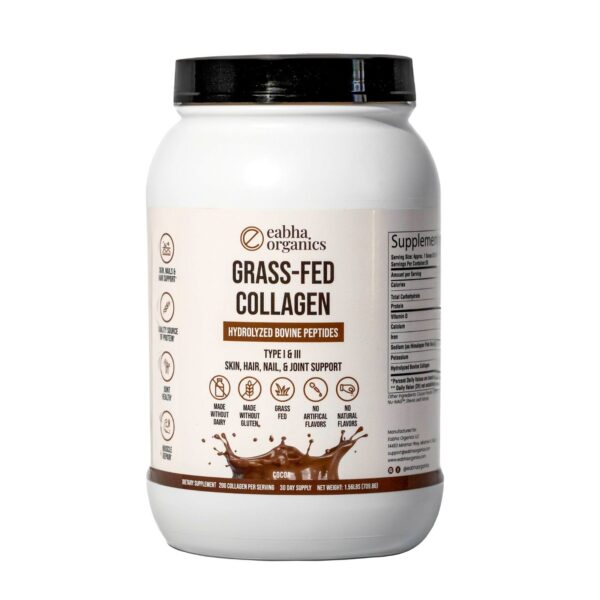
This is where collagen can play an important role.
Collagen is the most abundant protein in the human body and provides structural support for connective tissues.
Collagen peptides provide specific amino acids, including glycine and proline, which are involved in maintaining healthy connective tissue.
For active individuals, collagen can be a useful addition to a well-rounded recovery routine, especially when combined with:
- Proper training
- Adequate protein intake
- Quality sleep
- Balanced nutrition
It is important to remember that collagen is not a replacement for complete protein sources. Foods like meat, fish, eggs, and dairy provide all essential amino acids needed for muscle protein synthesis.
Instead, collagen can complement a healthy diet by supporting other important structures in the body that help keep you moving.
Signs You May Not Be Recovering Properly
Sometimes your body gives you signals that your recovery needs attention.
Common signs of poor recovery may include:
- Feeling constantly tired
- Decreased workout performance
- Increased soreness that does not improve
- Trouble sleeping
- Lack of motivation to train
- Feeling weaker than usual
- Persistent aches and discomfort
Experiencing these signs occasionally is normal, especially after challenging workouts.
However, if they continue for long periods, it may be a sign that you need to adjust your training, nutrition, sleep, or recovery habits.
Recovery Is About Consistency, Not Perfection
You do not need a perfect recovery routine to make progress.
Small habits done consistently create the biggest results.
Prioritizing:
- Enough sleep
- Proper nutrition
- Hydration
- Rest days
- Smart training
can make a significant difference over time.
Many people focus only on what happens inside the gym, but what happens outside the gym is just as important.
Your workouts provide the challenge.
Your recovery provides the opportunity for your body to adapt.
Final Thoughts
Understanding why recovery is important can completely change the way you approach fitness.
Training is only one part of the process. Your body needs time, nutrients, and proper habits to rebuild and become stronger.
By focusing on quality sleep, balanced nutrition, hydration, rest days, and supporting your body with the right nutrients, you create the foundation for long-term progress.
Recovery is not something that slows down your results.
Recovery is what allows your results to happen.
At Eabha Organics, we believe health and fitness are built through consistency and balance. Whether your goal is building muscle, improving performance, or simply feeling your best, taking care of your body outside the gym is just as important as the work you put in during your workouts.