
What Is NEAT and How Does It Affect Weight Loss?
If you’re trying to lose weight, you probably think about your diet, your workouts, and how many calories you eat. But there’s another factor that matters: how much you move throughout the day.

Walk into any health store or browse online, and you will quickly see hundreds of supplements promising better health, more energy, improved performance, and faster results.
From vitamins and minerals to protein powders, pre-workouts, and collagen supplements, the supplement industry has grown significantly as more people look for ways to support their health and fitness goals.
But this raises an important question:
The answer depends on your individual needs, goals, diet, and lifestyle.
Supplements can be useful tools, but they are not magic solutions. They work best when they support an already healthy foundation built on nutritious food, regular exercise, quality sleep, and consistent habits.
Understanding what supplements can and cannot do is the key to making smart decisions.
What Are Supplements?
Dietary supplements are products designed to provide nutrients or other compounds that may support health and performance.
They can include:
The purpose of supplements is not to replace a healthy diet.
Instead, they are designed to help fill nutritional gaps, provide convenience, or support specific goals.
For example, someone who struggles to consume enough protein may use a protein supplement for convenience. Someone with low vitamin D levels may use vitamin D supplementation to help meet their needs.
One of the biggest misconceptions about supplements is that everyone needs them.
The truth is that many people can meet most of their nutritional needs through a balanced diet.
Foods like:
provide important vitamins, minerals, and nutrients your body needs.
A healthy diet should always be the foundation.
However, there are situations where supplements can be beneficial.
Some people may benefit from supplements because of:
The goal is not to take as many supplements as possible.
The goal is to use the right supplements for the right reasons.
Supplements can be valuable when they help you consistently meet your nutritional needs.
For example, athletes and active individuals often have higher nutritional demands because they place more stress on their bodies through training.
Someone trying to build muscle may benefit from making sure they consume enough protein each day.
Someone training intensely may use performance supplements to support energy, focus, or workout quality.
Someone who does not get enough sunlight may need to pay attention to vitamin D intake.
In these situations, supplements can act as a useful addition to a healthy lifestyle.
Supplements Are Not a Replacement for Healthy Habits
One of the biggest mistakes people make is expecting supplements to fix an unhealthy lifestyle.
A supplement cannot replace:
For example, taking a multivitamin does not cancel out a diet lacking fruits and vegetables.
Taking a pre-workout does not replace proper training and recovery.
Taking collagen does not replace eating enough total protein.
The most successful approach is using supplements as a tool alongside healthy habits—not instead of them.
Not every supplement is created equal.
Some supplements have stronger research supporting their use than others.
Examples of supplements with evidence supporting specific benefits include:
Protein is essential for building and maintaining muscle tissue.
While whole foods should provide the foundation of your protein intake, protein supplements can be a convenient option for people who struggle to reach their daily protein goals.
Creatine is one of the most researched sports supplements available.
Research has shown it can support improvements in strength, power, and exercise performance when combined with resistance training.
Vitamin D plays important roles in many processes throughout the body, including normal immune function and bone health.
People who have limited sun exposure or low vitamin D levels may benefit from supplementation.
Collagen is a structural protein found throughout the body, including connective tissues such as tendons, ligaments, and skin.
Collagen peptides can provide amino acids that support the body’s natural collagen production.
For active individuals, collagen may be a useful addition to a complete nutrition and recovery routine.
With thousands of supplements available, choosing the right one can feel overwhelming.
A higher price does not always mean a better product. Instead, focus on quality, transparency, and whether the supplement actually provides ingredients that support your goals.
When choosing a supplement, consider:
A quality supplement should clearly list its ingredients and amounts.
Avoid products that use vague descriptions like “proprietary blends” where you cannot see the exact dose of each ingredient.
Transparency allows you to understand exactly what you are putting into your body.
More is not always better.
Some supplements include large amounts of ingredients simply for marketing, even when those amounts may not provide additional benefits.
A good supplement uses ingredients at doses that are supported by research.
Many people prefer supplements with simple, clean formulas.
Pay attention to things like:
A shorter, more intentional ingredient list can often make it easier to understand what you are taking.
The supplement industry varies widely in quality.
Look for companies that focus on:
A trustworthy supplement company should be focused on creating products that genuinely help customers—not just making marketing claims.
One of the biggest mistakes people make is thinking they need a long list of supplements to be healthy.
More supplements do not automatically equal better results.
Taking dozens of products without understanding why you are taking them can become expensive and unnecessary.
A better approach is to identify your goals first.
Ask yourself:
The best supplement routine is usually the one that is simple, effective, and sustainable.
Timing can matter for some supplements, but it is often less important than consistency.
For example:
The most important factor is taking supplements consistently as part of an overall healthy routine.
At Eabha Organics, we believe supplements should support a healthy lifestyle—not replace one.
Our approach is focused on creating clean, intentional formulas designed to complement your daily routine.
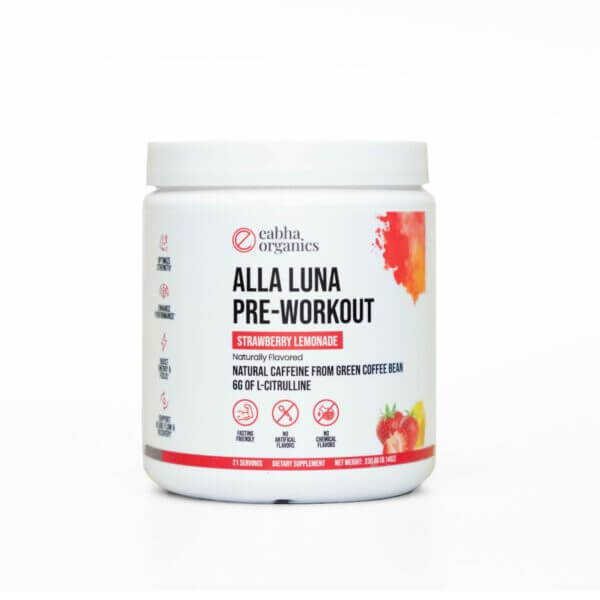
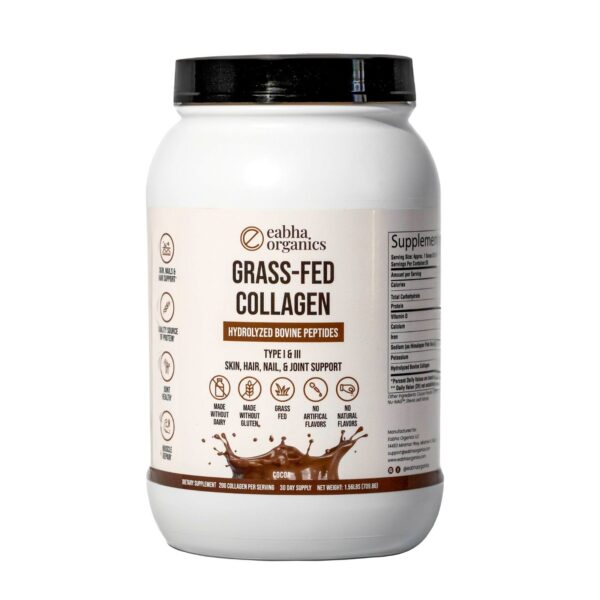
Whether it is supporting workout performance with pre-workout or supporting connective tissue health with collagen peptides, our goal is to create products with purposeful ingredients and transparent formulas.
We believe customers deserve to understand what they are taking and why each ingredient is included.
So, should you take supplements?
For many people, supplements can be a valuable tool when used correctly.
They can help fill nutritional gaps, support specific goals, and make it easier to maintain healthy habits.
However, supplements should always come after the fundamentals:
The best results do not come from finding a “magic” supplement.
They come from building a strong foundation and using supplements strategically to support your goals.
Supplements are not a shortcut.
They are a tool.
When chosen wisely and combined with healthy habits, they can help you support your health, fitness, and overall well-being.
Talk Soon Eabha Organics
If you’re trying to lose weight, you probably think about your diet, your workouts, and how many calories you eat. But there’s another factor that matters: how much you move throughout the day.
GLP-1 is a natural hormone that helps regulate blood sugar and appetite. Some medications mimic its effects, helping people feel full, eat less, and manage certain health conditions.
The ketogenic diet has become popular among people who want to lose body fat, improve their health, or change their body composition. By cutting carbohydrates and eating more fat, the goal is to get the body to rely more heavily on fat for fuel.
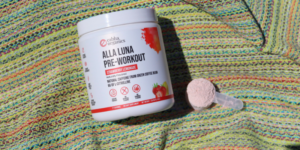
Whether you’re getting ready for a workout, heading out for the evening, or simply need a little extra energy and focus during the day, Alla Luna was designed to be a versatile part of your routine.
At Eabha Organics, collagen is one of our favorite protein supplements. Not because we believe it’s the only protein you need or that it’s better than every other option, but because collagen offers something different.
Fruit and vegetables are some of the most nutrient-dense foods you can include in your diet. They provide vitamins, minerals, fiber, antioxidants, and other compounds that support overall health.