
How to Improve Your Gut Health Naturally
Your gut health plays an important role in your overall well-being. Your digestive system helps break down food, absorb nutrients, and support many of the processes your body relies on every day.
Cholesterol has a bad reputation, but cholesterol itself isn’t something your body needs to get rid of.
Your body actually needs cholesterol to build cells, make certain hormones, and carry out other important functions. The problem is that having too much of certain types of cholesterol in your blood—particularly LDL cholesterol—can increase your risk of cardiovascular disease over time.
So, what is cholesterol, what do your cholesterol numbers actually mean, and what can you do to keep them in a healthy range?
Let’s break it down.
Cholesterol is a waxy, fat-like substance found in your blood and throughout your body. Your liver makes the cholesterol your body needs, while some also comes from foods that contain animal products.
Because cholesterol doesn’t dissolve in water, it needs to be transported through your bloodstream by particles called lipoproteins.
This is where terms like LDL and HDL come into the picture.
LDL vs. HDL: What’s the Difference?
You’ve probably heard LDL described as “bad” cholesterol and HDL as “good” cholesterol.
That’s an easy way to remember the terms, but the reality is a little more complicated.
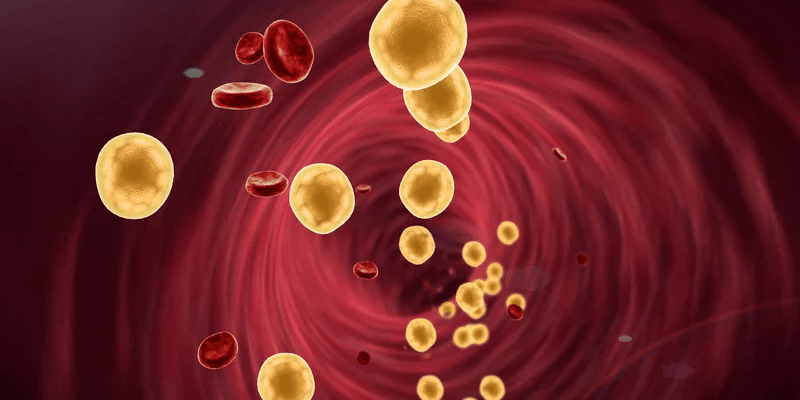
LDL, or low-density lipoprotein, carries cholesterol through the bloodstream. When LDL levels are elevated, LDL particles can contribute to plaque buildup in artery walls. Over time, this process can narrow the arteries and increase cardiovascular risk.
That’s why LDL cholesterol is one of the most important numbers to pay attention to when evaluating heart health.
HDL, or high-density lipoprotein, is often called “good” cholesterol because higher HDL levels are associated with lower cardiovascular risk. However, simply raising HDL isn’t considered the main goal of cholesterol treatment. What matters most is the overall pattern of cholesterol, other risk factors, and your individual cardiovascular risk.
Cholesterol isn’t the only type of fat measured during a standard cholesterol test.
Your lipid panel also measures triglycerides, another type of fat that circulates in your blood. Your body uses triglycerides for energy, but consistently elevated levels can be associated with an increased risk of cardiovascular disease, particularly when other risk factors are present.
That’s why looking at your entire lipid panel is more useful than focusing on a single number in isolation.
The biggest concern with elevated LDL cholesterol is what can happen inside your arteries over time.
LDL particles can enter the walls of your arteries and contribute to the formation of plaque. This process is known as atherosclerosis.
As plaque builds up, arteries can become narrower, making it harder for blood to flow. Plaque can also become unstable and rupture, potentially causing a blood clot.
If that clot blocks blood flow to the heart, it can cause a heart attack. If it blocks blood flow to the brain, it can cause an ischemic stroke.
This is why managing cholesterol isn’t just about improving a number on a lab report. It’s about reducing the long-term risk associated with plaque buildup and cardiovascular disease.
Yes.
High cholesterol usually doesn’t cause noticeable symptoms. You can feel completely healthy while having elevated LDL cholesterol or triglycerides.
The only reliable way to know your cholesterol levels is through a blood test, typically called a lipid panel or lipid profile.
Your healthcare professional can look at your LDL, HDL, triglycerides, and other factors to help determine what your results mean in the context of your overall health.
There isn’t always one simple cause.
Your cholesterol levels can be influenced by genetics, your diet, physical activity, body weight, certain medical conditions, and some medications. Age and family history can also affect your cardiovascular risk.
For some people, genetics play a particularly large role.
One example is familial hypercholesterolemia, an inherited condition that can cause very high LDL cholesterol from an early age. People with this condition may need treatment beyond lifestyle changes.
This is one reason you shouldn’t assume that high cholesterol automatically means someone has a poor diet or doesn’t exercise enough.
Lifestyle matters, but genetics matter too.
One of the biggest sources of confusion around cholesterol is the difference between the cholesterol you eat and the cholesterol circulating in your blood.
They are related, but they aren’t the same thing.
For many people, saturated fat has a greater impact on LDL cholesterol than dietary cholesterol itself. This means that focusing on one food or one nutrient can miss the bigger picture.
Instead of worrying about whether a single food contains cholesterol, it’s generally more useful to look at your overall eating pattern.
There isn’t one magical food that will fix your cholesterol.
What matters more is the pattern of foods you eat consistently.
Foods rich in soluble fiber can help support healthy LDL levels. Good options include oats, barley, beans, lentils, apples, and other fruits and vegetables.
Nuts and seeds are another useful addition because they provide unsaturated fats, fiber, and other nutrients. Fatty fish such as salmon, sardines, and trout provide omega-3 fats, while foods like olive oil and avocados provide predominantly unsaturated fats.
Together, these foods can fit into a heart-healthy eating pattern that emphasizes vegetables, fruits, whole grains, legumes, nuts, fish, and unsaturated fats.
[OUTBOUND LINK: Mayo Clinic — Cholesterol: Top Foods to Improve Your Numbers → “soluble fiber”]
[OUTBOUND LINK: American Heart Association — Heart-Healthy Eating → “heart-healthy diet”]
Improving your cholesterol doesn’t mean you have to completely eliminate certain foods.
Instead, pay attention to how often you eat foods that are high in saturated fat and highly processed foods.
Foods such as fatty and processed meats, butter, some full-fat dairy products, fried foods, and certain baked goods can contribute significant amounts of saturated fat. Replacing some of these foods with options higher in unsaturated fats can be a simple way to improve the overall quality of your diet.
The goal isn’t perfection. It’s building an eating pattern that you can maintain over the long term.
Eggs are a good example of why cholesterol can’t always be reduced to a simple “good food” or “bad food” label.
Egg yolks contain dietary cholesterol, but dietary cholesterol and saturated fat affect blood cholesterol differently. For many healthy people, eggs can fit into an overall heart-healthy diet.
However, individual recommendations can differ depending on your cholesterol levels, cardiovascular risk, and overall diet.
Exercise is another important part of cardiovascular health.
Regular physical activity can help improve several heart-health risk factors, including triglycerides, blood pressure, blood sugar regulation, and fitness. It can also contribute to maintaining a healthy body weight.
You don’t need to do extreme workouts to benefit. Walking, cycling, resistance training, swimming, running, and other forms of regular physical activity can all contribute to a more active lifestyle.
The most effective form of exercise is usually the one you can perform consistently.
Your cholesterol numbers matter, but they don’t tell the entire story.
Blood pressure, blood sugar, smoking, physical activity, sleep, body weight, age, family history, and genetics can all influence cardiovascular risk.
This is particularly important because two people can have the same LDL cholesterol level but have very different overall risks.
That’s why your healthcare professional may consider multiple factors when deciding whether lifestyle changes are enough or whether medication should be considered.
If you’ve had a more detailed conversation about cardiovascular risk, you may have heard of ApoB and Lp(a).
ApoB is a protein found on several types of cholesterol-carrying particles, including LDL particles. Because each atherogenic particle generally contains one ApoB molecule, ApoB can provide information about the number of potentially harmful particles circulating in the blood.
Lp(a), or lipoprotein(a), is another cholesterol-related particle that is strongly influenced by genetics. Elevated Lp(a) can increase cardiovascular risk, even when other cholesterol numbers don’t look particularly concerning.
The American Heart Association recommends that adults have Lp(a) measured at least once because levels are largely genetically determined and can help identify additional cardiovascular risk.
These tests aren’t necessarily needed for everyone, but they can provide useful information in certain situations, particularly when there is a strong family history of cardiovascular disease or unexpectedly high cholesterol.
Lifestyle changes can make a meaningful difference for many people.
Eating more fiber-rich plant foods, choosing unsaturated fats more often, exercising regularly, maintaining a healthy body weight, and avoiding tobacco can all support better cardiovascular health.
But lifestyle changes don’t always bring cholesterol into the desired range.
Genetics can play a major role, and some people have cholesterol levels that remain elevated despite making healthy changes. In those situations, medication may be appropriate.
Statins and other cholesterol-lowering medications can significantly reduce cardiovascular risk for people who need them. If you’ve been prescribed cholesterol medication, don’t stop taking it or change your dose without talking with your healthcare professional.
How Often Should You Check Your Cholesterol?
There isn’t one testing schedule that applies to everyone.
How often you need a lipid panel depends on factors such as your age, health history, cholesterol levels, family history, and overall cardiovascular risk.
If you haven’t had your cholesterol checked recently, it’s worth asking your healthcare professional whether you’re due for a lipid panel.
It’s a substance your body needs to function properly. Cholesterol itself isn’t the enemy.
The bigger concern is having too much LDL cholesterol and other atherogenic particles circulating in your blood over time, which can contribute to plaque buildup and increase cardiovascular risk.
A heart-healthy lifestyle can help. Focus on an overall diet rich in vegetables, fruits, whole grains, legumes, nuts, fish, and unsaturated fats. Stay physically active, don’t smoke, get enough sleep, and keep an eye on important health markers such as cholesterol and blood pressure.
And remember: you don’t need to have a perfect diet or lifestyle to support your heart.
Small, sustainable choices made consistently can add up over time.
— Eabha Organics
Your gut health plays an important role in your overall well-being. Your digestive system helps break down food, absorb nutrients, and support many of the processes your body relies on every day.
Anxiety is something many people experience at different points in their lives. Whether it’s caused by work, financial pressure, relationships, or everyday stress, feeling anxious can affect your mood, sleep, concentration, and overall well-being.
When a headache strikes, it’s natural to want relief as quickly as possible. The good news is that some simple habits may help ease headache pain,
If you’re trying to lose weight, you probably think about your diet, your workouts, and how many calories you eat. But there’s another factor that matters: how much you move throughout the day.
GLP-1 is a natural hormone that helps regulate blood sugar and appetite. Some medications mimic its effects, helping people feel full, eat less, and manage certain health conditions.
The ketogenic diet has become popular among people who want to lose body fat, improve their health, or change their body composition. By cutting carbohydrates and eating more fat, the goal is to get the body to rely more heavily on fat for fuel.