How to Increase Protein Intake: Easy Ways to Add More Protein to Every Meal
Getting enough protein doesn’t have to mean eating chicken and eggs every day. There are plenty of simple ways to add more protein to your meals without completely changing the way you eat.
Whether you’re trying to build muscle, support your fitness goals, or simply improve your daily nutrition, small changes can make a big difference.
The key is to choose protein-rich foods you enjoy and find easy ways to include them throughout the day.
You don’t need complicated recipes or an entirely new diet to get started. Here are seven practical ways to increase your protein intake and add more protein to the meals you already enjoy.
1. Start Your Day With a High-Protein Breakfast
Breakfast is a great opportunity to get a head start on your daily protein intake.
Many traditional breakfast foods, such as toast, cereal, and fruit, contain relatively little protein on their own. Adding a protein source can help make your meal more balanced.
Some easy options include eggs, Greek yogurt, cottage cheese, and milk.
You can also combine different ingredients to create a higher-protein breakfast without spending much extra time in the kitchen.
For example, try making oatmeal with milk and adding Greek yogurt or protein powder. You could also prepare scrambled eggs with toast and a side of cottage cheese.
A simple tip: If your usual breakfast doesn’t contain much protein, try adding just one protein-rich food. Even a small adjustment can help increase your daily intake.
2. Include a Protein Source With Every Meal
One of the easiest ways to increase protein intake is to include a protein source whenever you eat.
Instead of trying to get most of your protein at dinner, spread it throughout breakfast, lunch, and dinner.
This can make reaching your daily protein needs feel much more manageable.
For breakfast, you might choose eggs or Greek yogurt. At lunch, consider chicken, tuna, turkey, or tofu. For dinner, you could include salmon, lean beef, chicken breast, or another protein-rich food.
You don’t have to eat the same foods every day, either. Changing your protein sources can help keep meals interesting while providing a variety of nutrients.
A simple tip: Before preparing a meal, ask yourself what your main protein source will be. If your meal doesn’t include one, consider adding chicken, eggs, fish, beans, or tofu.
3. Add Protein to Foods You Already Enjoy
You don’t need to completely change your diet to eat more protein.
Sometimes, the easiest approach is to improve meals you’re already eating.
For example, if you enjoy pasta, try adding grilled chicken, lean ground turkey, or lentils. If you regularly make salads, include hard-boiled eggs, tuna, or grilled chicken.
You can also add beans to rice bowls, cottage cheese to toast, or Greek yogurt to breakfast bowls.
These small adjustments can increase the protein content of familiar meals without requiring complicated recipes.
Another option is to look for higher-protein alternatives when shopping. Greek yogurt, for example, generally contains more protein than regular yogurt.
A simple tip: Look at the foods you already eat regularly and think about one protein-rich ingredient you could add. You may be surprised by how easy it is to improve the protein content of your everyday meals.
4. Use Protein Powder When You Need Convenience
Whole foods are an important part of a balanced diet, but preparing protein-rich meals isn’t always convenient.
This is where protein powder can be useful.
Protein powder provides a simple way to add protein to your daily routine, especially when you’re busy, traveling, or need something quick after a workout.
You don’t have to use it only for shakes, either.
Protein powder can be mixed into oatmeal, smoothies, yogurt, and homemade recipes.
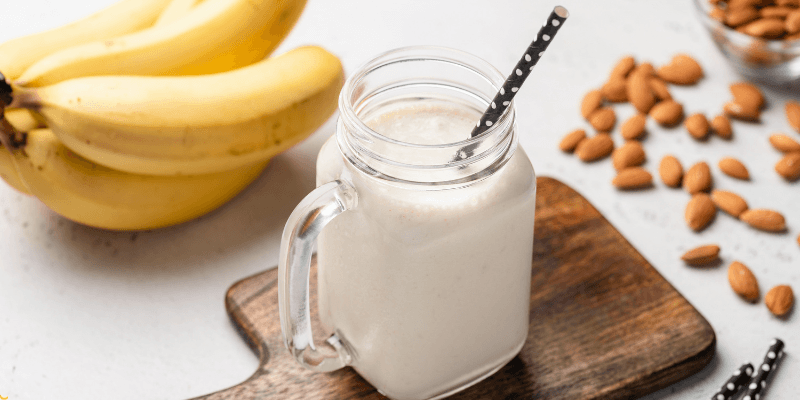
For example, you could blend protein powder with milk, a banana, and Greek yogurt to make a convenient smoothie. You could also mix it into oatmeal for a higher-protein breakfast.
At Eabha Organics, we believe supplementation should complement a balanced diet and make healthy habits easier to maintain.
A simple tip: Keep protein powder available for days when preparing a full meal isn’t practical. It can be a convenient addition to your routine without replacing nutritious whole foods.
5. Choose Snacks That Provide Protein
Snacks are another opportunity to increase your daily protein intake.
Many common snacks contain mostly carbohydrates or fats, which isn’t necessarily a problem. However, choosing protein-rich options can help you get more protein between meals.
Some convenient choices include Greek yogurt, cottage cheese, hard-boiled eggs, tuna packets, edamame, and beef or turkey jerky.
You can also combine different foods to create a more balanced snack.
For example, try Greek yogurt with berries, cottage cheese with fruit, or eggs with crackers.
If you prefer something quick, a protein shake can also be an option.
A simple tip: Keep a few protein-rich snacks available at home or work so you have convenient choices when hunger strikes.
6. Consider Adding Collagen to Your Daily Routine
Collagen peptides are another way to incorporate protein into your daily nutrition routine.
collagen is convenient because it can be mixed into beverages and certain foods without requiring much preparation.
You can add collagen to coffee, smoothies, or other drinks as part of your regular routine.
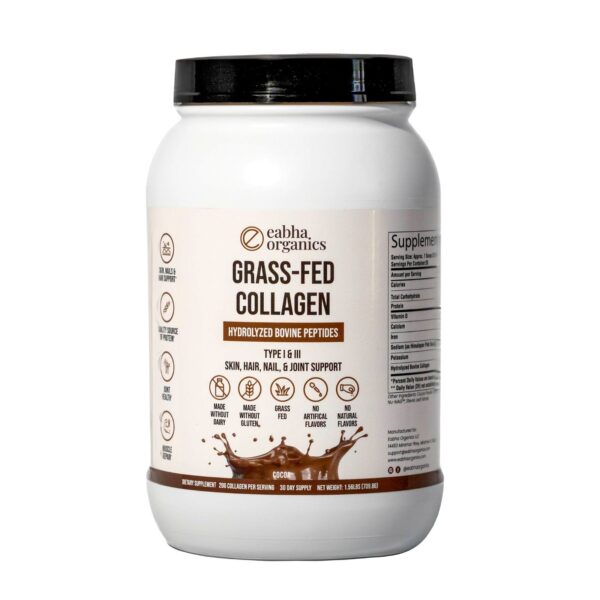
At Eabha Organics, our grass-fed collagen provides 20 grams of protein per serving, making it a convenient addition for people who want to incorporate collagen peptides into their diet.
However, it’s important to understand that collagen is different from traditional protein sources.
Collagen is not a complete protein because it does not provide all nine essential amino acids in the amounts needed. For this reason, it shouldn’t replace complete protein sources such as eggs, dairy, meat, fish, or soy when your goal is to support muscle growth.
Instead, think of collagen as something that can complement an otherwise balanced diet.
A simple tip: If you already enjoy drinking coffee or making smoothies, adding collagen can be an easy way to incorporate it into a routine you already have.
7. Spread Your Protein Intake Throughout the Day
You don’t have to eat all your protein in one meal.
Spreading your protein intake across several meals and snacks can make it easier to reach your daily needs.
For example, someone aiming for 120 grams of protein might divide their intake between breakfast, lunch, an afternoon snack, and dinner.
They could have approximately 30 grams at breakfast, 35 grams at lunch, 20 grams from a snack, and another 35 grams at dinner.
This is simply an example. Your own protein needs will depend on factors such as body weight, activity level, age, and fitness goals.
People who regularly strength train may benefit from a higher protein intake than people who are less physically active.
The important thing is to find an approach that works with your schedule and eating habits.
A simple tip: Rather than worrying about getting a large amount of protein in one sitting, focus on including a meaningful protein source with each meal.
How Much Protein Should You Eat Each Day?
Your daily protein needs depend on your body weight, activity level, and individual goals.
Someone who exercises regularly or strength trains may need more protein than someone who is mostly sedentary.
For people who regularly participate in resistance training, research commonly supports a daily intake around 1.4–2.0 grams of protein per kilogram of body weight, although individual needs vary.
Rather than following a one-size-fits-all number, it’s better to consider your own body weight and activity level.
If you’re unsure how much protein you should eat, speak with a qualified healthcare professional or registered dietitian.
You can also read our guide on how much protein you should eat per day for a more detailed explanation.
The Bottom Line
Learning how to increase protein intake doesn’t have to be complicated.
Start by adding protein to breakfast, including a protein source with every meal, and choosing snacks that provide additional protein.
You can also use protein powder when convenience matters and consider collagen as another addition to a balanced nutrition routine.
The most important thing is to build habits you can maintain.
You don’t need to overhaul your diet overnight. Start with a few small changes, find foods you enjoy, and gradually make protein a more consistent part of your meals.
Over time, these simple adjustments can help you create a more balanced eating routine that supports your fitness and nutrition goals.
— Eabha Organics