How Much Protein Do You Need Per Day? Benefits, Sources, and Intake Guide
Protein is one of the most important nutrients for overall health, muscle growth, and recovery. Whether your goal is building muscle, losing fat, or simply improving your general health, understanding how much protein you need per day can make a huge difference in your results.
Many people underestimate protein intake or don’t realize how essential it is for the body. In this guide, we’ll break down the benefits of protein, how much you actually need, and the best ways to include it in your diet consistently.
Why Protein Is Important
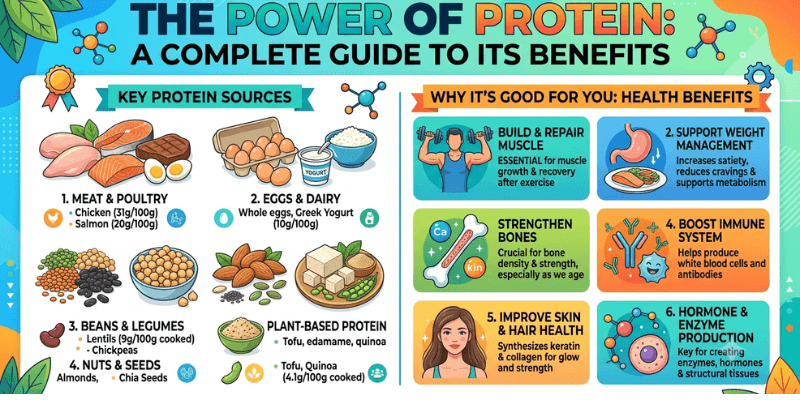
Protein plays a key role in almost every function in the body. It is responsible for building and repairing tissues, including muscles, skin, and organs. One of the biggest benefits of protein is its role in muscle recovery and growth, especially for people who train regularly.
When you exercise, especially during strength training, you create small tears in muscle fibers. Protein helps repair and rebuild those fibers, making them stronger over time. This is why adequate protein intake is essential for anyone trying to improve body composition.
Another major benefit of protein is its effect on metabolism and fat loss. Protein helps you feel fuller for longer, which can reduce overall calorie intake throughout the day. It also has a higher thermic effect compared to fats and carbohydrates, meaning your body burns more calories digesting it.
Protein also supports hormone production, immune function, and enzyme activity, making it essential for overall health, not just fitness goals.
How Much Protein Do You Need Per Day?
The amount of protein you need depends on your body weight, activity level, and goals.
General guideline:
- Sedentary individuals: 0.8g per kg of body weight
- Moderately active individuals: 1.2–1.6g per kg
- Active individuals or athletes: 1.6–2.2g per kg
For example, if someone weighs 75kg (165 lbs) and trains regularly, their ideal protein intake would likely fall between 120g and 165g per day.
If your goal is muscle building, you should aim toward the higher end of the range. If your goal is fat loss while maintaining muscle, higher protein intake is also beneficial.
One of the most common mistakes people make is under-eating protein. Even people who think they are eating “healthy” often fall short of what their body actually needs for optimal results.
Best Protein Sources
There are many high-quality protein sources available, and a balanced diet usually includes a mix of them.
Animal-based protein sources:
- Chicken breast
- Lean beef
- Eggs
- Fish (salmon, tuna, cod)
- Greek yogurt
Animal proteins are considered “complete proteins,” meaning they contain all essential amino acids the body needs for muscle growth and recovery.
Plant-based protein sources:
- Lentils
- Chickpeas
- Quinoa
- Tofu
- Beans
Plant-based proteins can also be effective, especially when combined to ensure a complete amino acid profile.
Protein supplements:
Protein powders and supplements can help fill nutritional gaps, especially for people with busy lifestyles or higher protein needs. They are convenient and can make it easier to reach daily targets without excessive calorie intake.
⸻
Protein for Muscle Gain vs Fat Loss
Protein plays a slightly different role depending on your goal.
For muscle gain:
Higher protein intake supports muscle repair and growth. When combined with strength training, protein helps the body build lean muscle mass more effectively.
For fat loss:
Protein helps preserve muscle while you are in a calorie deficit. It also increases satiety, which can reduce cravings and help control overall calorie intake.
In both cases, protein is essential for maintaining a healthy and balanced body composition.
Common Mistakes With Protein Intake
Many people make avoidable mistakes when it comes to protein consumption:
- Not tracking intake and under-eating protein
- Relying only on one source of protein
- Skipping protein at breakfast
- Thinking supplements replace whole foods completely
- Spreading intake unevenly throughout the day
A better approach is to include protein in every meal and aim for consistency rather than perfection.
Easy Ways to Increase Your Daily Protein
If you struggle to reach your daily protein goal, here are simple strategies:
- Add eggs or Greek yogurt to breakfast
- Include lean protein in every meal
- Use protein shakes as a supplement, not a replacement
- Choose higher-protein snacks like nuts or yogurt
- Prep meals in advance to stay consistent
Small adjustments like these can significantly improve your daily intake over time.
Final Thoughts
Understanding how much protein you need per day is one of the most important steps toward improving your health, fitness, and body composition. Protein supports muscle growth, fat loss, recovery, and overall well-being, making it essential for almost every goal.
Most people are not eating enough protein, which limits their progress without them even realizing it. By improving your protein intake and focusing on high-quality sources, you can significantly improve both performance and long-term health.
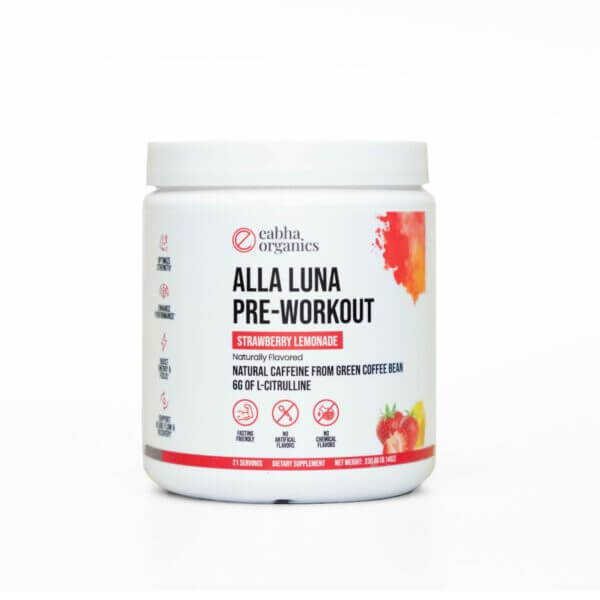
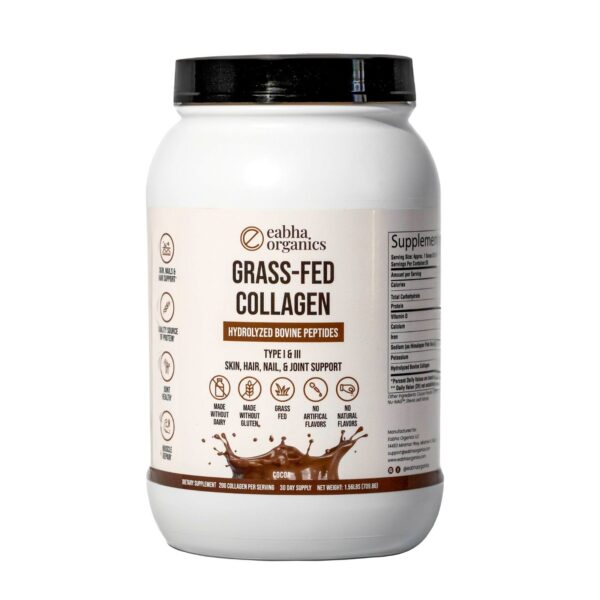
For those with active lifestyles, clean supplementation can also help make hitting protein targets easier and more convenient. At Eabha Organics, we focus on clean, high-quality formulas designed to support performance, recovery, and overall wellness.