Should You Eat Vegetables Every Day? How Much Do You Really Need?
We all know vegetables are good for us. But how many should you actually eat every day?
Do you need to eat them with every meal? Are a few servings enough? And what if you’re not someone who enjoys eating vegetables?
The truth is, eating healthier doesn’t have to be complicated.
Vegetables provide important nutrients that help support your body. They can also add color, flavor, and variety to your meals.
Let’s take a look at why vegetables matter, how much you should eat, and some easy ways to enjoy more of them every day.
Should You Eat Vegetables Every Day?
Eating vegetables regularly is one of the simplest ways to improve your overall diet.
Vegetables contain vitamins, minerals, fiber, and other beneficial plant compounds. These nutrients help your body carry out many important functions.
Different vegetables provide different nutrients, which is why eating a variety is a good idea.
You don’t have to eat broccoli every single day or force yourself to eat vegetables you dislike.
The goal is simply to find vegetables you enjoy and make them a regular part of your meals.
How Many Should You Eat a Day?
For many adults, a good daily goal is around 2 to 3 cups of vegetables, depending on your calorie needs and overall diet.
Some people may need more, while others may need less.
The important thing is not to stress over getting the exact amount every single day.
Think of it as a general goal to help you eat a little better.
You can enjoy vegetables throughout the day instead of trying to eat them all at once.
A serving of vegetables can be as simple as a cup of cooked broccoli, carrots, or green beans.
Leafy greens are a little different. About 2 cups of raw spinach or lettuce count as roughly 1 cup of vegetables.
That’s easier than it sounds!
Why Are Vegetables So Good for You?
Vegetables provide a variety of nutrients that support your overall health.
One of the biggest benefits is fiber.
Fiber helps support normal digestion and can help you feel satisfied after eating. Many vegetables are also naturally low in calories, making them a great addition to balanced meals.
Vegetables provide important vitamins and minerals, too.
For example, carrots and sweet potatoes contain beta-carotene, which your body can convert into vitamin A.
Broccoli and bell peppers provide vitamin C, while leafy greens provide nutrients such as vitamin K and folate.
You don’t need to memorize every vitamin in every vegetable.
Simply eating a variety of vegetables is a great place to start.
What Are the Best Vegetables to Eat?
There isn’t just one best vegetable.
Different vegetables offer different benefits, so variety is more important than choosing one and eating it every day.
Broccoli is a great option because it provides fiber and vitamin C.
Spinach is an easy way to add leafy greens to your meals.
Carrots are convenient, naturally sweet, and easy to enjoy as a snack.
Bell peppers add color and crunch while providing vitamin C.
Sweet potatoes are another great choice. They’re filling, versatile, and work well with many meals.
And don’t forget about vegetables such as zucchini, asparagus, green beans, cauliflower, and Brussels sprouts.
The best vegetables are the ones you actually enjoy eating.
Do Frozen Vegetables Count?
Absolutely!
You don’t need to buy fresh vegetables every time you go grocery shopping.
Frozen vegetables can be a convenient and nutritious option. They’re easy to store and can be added to meals whenever you need them.
Canned vegetables can also be useful.
If you’re trying to eat healthier on a budget, frozen and canned vegetables can make things much easier.
Just check the label when choosing canned vegetables, especially if you’re trying to limit added salt.
Healthy eating doesn’t have to be expensive.
Easy Ways to Eat More Vegetables Every Day
If you’re not currently eating many vegetables, don’t worry.
You don’t need to completely change your diet overnight.
Start by adding vegetables to meals you already enjoy.
If you eat eggs in the morning, try adding spinach or peppers.
If you make sandwiches for lunch, add lettuce, tomatoes, or cucumbers.
At dinner, serve your favorite meal with a side of broccoli, carrots, or green beans.
You can also add vegetables to pasta, rice bowls, soups, and homemade pizza.
Another easy trick is keeping frozen vegetables in your freezer.
That way, you always have something available when you’re preparing a meal.
And if you don’t like plain vegetables, try roasting them with a little olive oil and your favorite seasonings.
Sometimes the way you prepare vegetables makes all the difference.
What If You Don’t Like Vegetables?
If vegetables aren’t your favorite food, you’re not alone.
Some people don’t enjoy the taste or texture of certain vegetables.
But that doesn’t mean you have to give up on eating them.
Try different cooking methods.
Roasted vegetables often taste sweeter and have a different texture than boiled vegetables.
You can also mix vegetables into foods you already enjoy.
Add chopped vegetables to pasta sauce, blend them into soups, or mix them into rice dishes.
You might even discover that you enjoy vegetables you previously thought you disliked.
You don’t have to love every vegetable to eat a healthy diet.
A Simple Example of Eating Vegetables Throughout the Day
You don’t need a complicated meal plan to eat more vegetables.
You could start your morning with eggs and spinach.
For lunch, enjoy a sandwich with lettuce, tomatoes, and cucumbers.
At dinner, add some roasted broccoli or green beans to your plate.
That’s a simple way to include vegetables throughout the day without making your meals feel completely different.
And if you don’t reach your goal every day, don’t worry.
Just keep making small improvements.
So, should you eat them Daily?
Absolutely.
Vegetables are an important part of a balanced diet, providing fiber, vitamins, minerals, and other beneficial nutrients.
For many adults, aiming for around 2 to 3 cups of vegetables a day is a helpful starting point.
But healthy eating isn’t about being perfect.
It’s about making better choices consistently and finding foods that you enjoy.
Start with a few vegetables you like, add them to meals you already eat, and try something new every once in a while.
You don’t need to make healthy eating complicated.
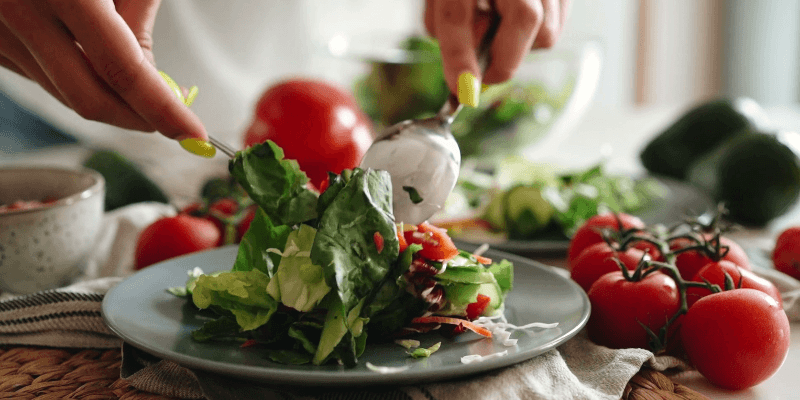
Sometimes, simply adding a little more color to your plate is a great place to begin.
At Eabha Organics, we believe a healthy lifestyle starts with simple habits, balanced nutrition, and choices you can feel good about every day.