How to Lose Fat Without Losing Muscle: Nutrition and Training Guide
Losing fat while maintaining muscle is one of the most common fitness goals today. Many people struggle with weight loss because they lose both fat and muscle at the same time, which leads to a “smaller but softer” look instead of a lean and defined physique.
Understanding how to lose fat without losing muscle is the key to improving body composition, maintaining strength, and achieving long-term fitness results. This process is not about extreme dieting or excessive cardio — it’s about balance, consistency, and smart training.
Why Muscle Loss Happens During Fat Loss
When people reduce calories too aggressively or avoid strength training, the body doesn’t just burn fat — it can also break down muscle tissue for energy.
This is especially common when:
- Protein intake is too low
- Strength training is skipped
- Cardio is overdone
- Calorie deficit is too extreme
To successfully understand how to lose fat without losing muscle, you need to focus on protecting lean tissue while creating a controlled fat-loss environment.
Muscle is metabolically active, meaning it helps your body burn more calories even at rest. Losing it can slow metabolism and make long-term fat loss harder.
Strength Training Is Non-Negotiable
One of the most important factors in learning how to lose fat without losing muscle is resistance training.
Lifting weights sends a signal to your body that muscle is still needed. Without this signal, your body is more likely to break down muscle tissue during a calorie deficit.
Strength training helps:
- Maintain muscle mass
- Improve metabolism
- Keep strength levels stable
- Shape body composition
You don’t need extreme workouts — just consistent resistance training 3–5 times per week is enough for most people.
Progressive overload (gradually increasing weight or reps over time) is key to maintaining muscle while losing fat.
Protein Intake Is Essential
Nutrition plays a major role in how to lose fat without losing muscle.
Protein is the most important nutrient for preserving lean mass during a calorie deficit. It helps repair muscle tissue and prevents excessive breakdown.
A good guideline is:
- 1.6g to 2.2g of protein per kg of body weight for active individuals
Spreading protein evenly throughout the day is more effective than consuming it all in one meal.
High-protein foods include:
- Chicken
- Eggs
- Fish
- Lean beef
- Greek yogurt
- Protein supplements
Consistently meeting protein needs is one of the biggest factors in successfully maintaining muscle while losing fat.
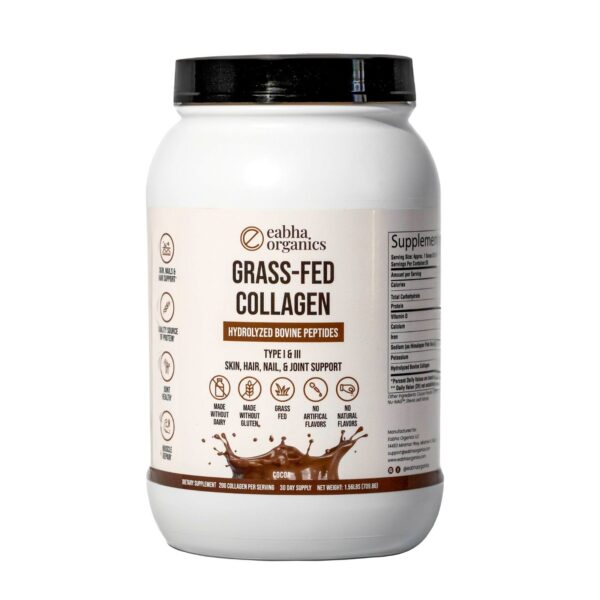
At Eabha Organics, clean protein-focused supplements can also help support daily intake when whole food alone is not enough.
Cardio: Use It, Don’t Overdo It
Cardio is useful for creating a calorie deficit, but too much can interfere with muscle retention if not managed properly.
When focusing on how to lose fat without losing muscle, cardio should be used as a support tool, not the main driver.
Good approaches include:
- 2–4 cardio sessions per week
- Moderate intensity (walking, incline treadmill, cycling)
- Avoid excessive long-duration cardio daily
The goal is to increase calorie burn without stressing recovery or reducing strength performance.
Calorie Deficit: Keep It Controlled
A calorie deficit is necessary for fat loss, but the size of the deficit matters.
A moderate deficit is best for preserving muscle:
- Around 300–500 calories below maintenance
Too large of a deficit increases the risk of muscle loss and fatigue, making it harder to stay consistent in training.
If your goal is to lose fat without losing muscle, slow and steady progress is more effective than rapid weight loss.
Recovery and Lifestyle Matter More Than People Think
Recovery plays a major role in body composition.
Key factors include:
- Sleep (7–9 hours per night)
- Stress management
- Hydration
- Rest days
Poor recovery increases cortisol levels, which can negatively impact fat loss and muscle retention.
Many people focus only on training and diet, but recovery is what allows results to actually happen.
Common Mistakes
Here are the most common mistakes people make when trying to lose fat:
- Cutting calories too aggressively
- Skipping strength training
- Doing excessive cardio
- Not eating enough protein
- Ignoring recovery
Avoiding these mistakes is often enough to dramatically improve results.
Simple Weekly Structure
A balanced approach might look like this:
- 3–4 days strength training
- 2–3 days light to moderate cardio
- 1–2 rest or active recovery days
This structure supports fat loss while protecting lean muscle mass.
Consistency matters more than perfection.
Final Thoughts
Understanding how to lose fat without losing muscle is about balance, not extremes. You need the right combination of strength training, protein intake, controlled cardio, and proper recovery.
When these factors are aligned, your body becomes more efficient at burning fat while preserving muscle, leading to a leaner, stronger physique.
At Eabha Organics, the focus is on supporting active lifestyles with clean, effective nutrition that complements training and recovery.
The goal is not just to lose weight, it’s to improve body composition in a sustainable way that lasts long term.