How Screen Time Affects Sleep and Recovery: What You Should Know
Screens are everywhere in modern life. From smartphones and tablets to computers and televisions, most people spend several hours each day looking at a screen. While technology offers many benefits, excessive screen use may have unintended effects on health, especially when it comes to sleep and recovery.
Understanding how screen time affects sleep and recovery is important for anyone who wants to improve their energy levels, support overall health, and get the most out of their fitness routine. Whether you are an athlete, a busy professional, or simply someone trying to feel your best, healthy screen habits can make a bigger difference than you might think.
Why Sleep Matters
Sleep is one of the most important pillars of health. During sleep, the body performs many critical functions, including:
- Muscle repair and recovery
- Hormone regulation
- Memory consolidation
- Immune system support
- Energy restoration
Without enough quality sleep, it becomes harder to recover from exercise, maintain focus throughout the day, and support overall wellness.
Many people focus heavily on nutrition and exercise while overlooking sleep. However, even the best workout plan and diet can be limited by poor sleep habits.
How Screen Time Affects Sleep and Recovery
One of the biggest concerns surrounding screen use is its effect on sleep quality.
Research suggests that exposure to bright screens, especially in the evening, can interfere with the body’s natural sleep-wake cycle. This happens because light exposure may influence melatonin production. Melatonin is a hormone that helps signal to the body that it is time to sleep.
When screen use continues late into the evening, it may become more difficult to fall asleep, stay asleep, or achieve deep, restorative sleep.
This is one reason why understanding how screen time affects sleep and recovery has become an increasingly important topic in modern health and wellness discussions.
The Connection Between Sleep and Recovery
Recovery is not limited to athletes. Every person benefits from proper recovery.
When you exercise, your body needs time to repair and adapt. During quality sleep, muscle tissue can recover, hormone levels can normalize, and the body can prepare for the next day.
If screen habits reduce sleep quality, recovery may also be affected. This can lead to:
- Increased fatigue
- Reduced exercise performance
- Lower energy levels
- Difficulty concentrating
- Slower recovery from physical activity
Understanding how screen time affects sleep and recovery can help people make small changes that support both health and performance.
Screen Time and Mental Wellness
The effects of screens are not limited to physical recovery.
Constant notifications, social media scrolling, and endless streams of information can make it difficult for the brain to relax before bedtime.
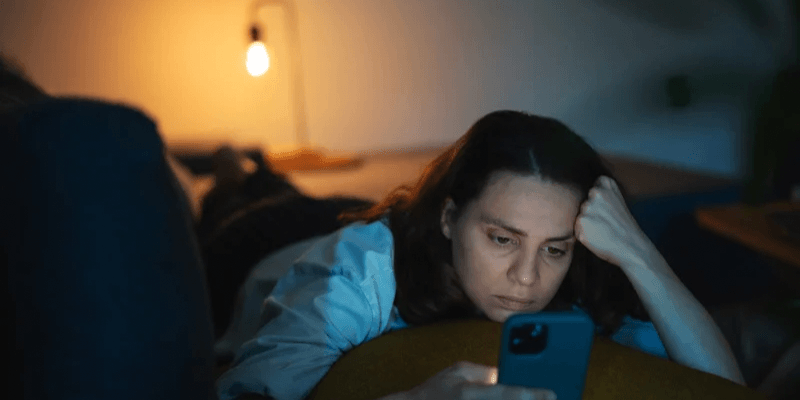
Many people find themselves checking emails, watching videos, or scrolling through social media right before sleep. This mental stimulation can make it harder to wind down and prepare for rest.
Creating boundaries around technology use may help support a calmer evening routine and improve overall well-being.
Signs Screen Time May Be Affecting Your Sleep
You may want to evaluate your screen habits if you regularly experience:
- Difficulty falling asleep
- Waking up frequently during the night
- Feeling tired despite spending enough time in bed
- Brain fog during the day
- Reduced workout performance
- Low motivation or energy
While many factors can contribute to poor sleep, excessive evening screen use may be one piece of the puzzle.
Practical Ways to Reduce Screen Exposure Before Bed
Fortunately, improving screen habits does not require giving up technology completely.
Here are several simple strategies:
Create a Screen-Free Window
Try avoiding screens for 30 to 60 minutes before bedtime. Use this time to read, stretch, journal, or prepare for the next day.
Lower Screen Brightness
Reducing brightness in the evening may help minimize light exposure.
Use Night Mode Features
Many devices include settings that reduce blue light exposure during evening hours.
Keep Devices Out of the Bedroom
Charging your phone in another room can reduce the temptation to scroll before sleep.
Establish a Consistent Bedtime Routine
Creating predictable habits helps signal to the body that it is time to rest.
How Screen Time Can Affect Fitness Goals
Many people think of screen time as a separate issue from fitness, but the two can be closely connected.
When sleep quality declines, exercise performance often suffers. Poor sleep can reduce energy levels, make workouts feel more difficult, and impact motivation. Even simple tasks like getting to the gym or going for a walk can feel harder after a poor night’s sleep.
Sleep also plays an important role in recovery from physical activity. Whether you lift weights, run, practice sports, or simply stay active throughout the day, your body needs adequate rest to recover effectively.
This is another reason why understanding how screen time affects sleep and recovery is important for people pursuing health and fitness goals. Better sleep often leads to better training, and better training can contribute to long-term results.
The Impact on Productivity and Daily Energy
Sleep does not only affect workouts. It also affects how we perform throughout the day.
Many people notice that after staying up late using phones, tablets, or computers, they wake up feeling less refreshed. This can lead to:
- Lower productivity
- Reduced focus
- Increased fatigue
- Difficulty concentrating
- Lower motivation
Over time, these effects can influence work performance, personal relationships, and overall quality of life.
Creating healthier evening habits may help support better energy levels throughout the day.
Nutrition, Recovery, and Healthy Habits
Sleep is only one part of the recovery equation.
Good nutrition, regular exercise, hydration, and stress management all play important roles in helping the body function at its best.
People who prioritize healthy habits often find that small improvements add up over time. Better sleep can support recovery, recovery can improve performance, and improved performance can support long-term health goals.
At Eabha Organics, we believe wellness is built through consistent habits. Clean nutrition, quality sleep, regular movement, and recovery all work together to support overall health and an active lifestyle.
Creating a Healthier Evening Routine
One of the most effective ways to improve sleep is to create a consistent evening routine.
A healthy nighttime routine does not need to be complicated. Small habits can make a meaningful difference.
Consider activities such as:
- Reading a book
- Stretching
- Taking a short walk
- Journaling
- Preparing for the next day
- Practicing relaxation techniques
Replacing even a portion of evening screen time with calming activities may help the body transition more naturally into sleep.
Consistency is often more important than perfection. Small improvements repeated daily can lead to significant long-term benefits.
Finding Balance With Technology
Technology itself is not the enemy.
Smartphones, computers, and other devices allow us to work, learn, communicate, and stay connected. The goal is not to eliminate screens completely but to use them intentionally.
Healthy screen habits may include:
- Taking regular breaks during the day
- Limiting unnecessary scrolling
- Avoiding screens immediately before bed
- Prioritizing sleep when possible
- Creating technology-free periods throughout the day
Finding a balance between technology and recovery can help support both physical and mental well-being.
When people understand how screen time affects their health, they can make informed decisions that support their long-term health goals.
Building Better Daily Habits
Many people look for dramatic solutions when simple daily habits can often have a significant impact.
If you want to improve your energy, focus, and recovery, start with manageable changes:
- Set a consistent bedtime
- Reduce evening screen exposure
- Stay physically active
- Eat a balanced diet
- Stay hydrated
- Prioritize recovery
Over time, these habits can contribute to better health and improved quality of life.
Final Thoughts
Understanding how screen time affects your health can help you make more informed decisions about your daily habits. While screens are an important part of modern life, being mindful of how and when you use them may help support better sleep, improved recovery, and greater overall wellness.
Small changes often produce meaningful results. By creating healthier screen habits and prioritizing recovery, you can support your health, improve your energy levels, and feel your best each day.









One Response