Do You Need Supplements If You Eat Healthy?
With so many vitamins, powders, capsules, and supplements available today, it’s easy to feel like you need a cabinet full of products to be healthy.
But if you already eat a balanced diet, do you actually need supplements?
The short answer is not necessarily.
For many healthy people, a well-rounded diet can provide most of the nutrients the body needs. Supplements are not a replacement for nutritious food, regular exercise, adequate sleep, or other healthy lifestyle habits.
However, that doesn’t mean supplements are useless.
Depending on your diet, lifestyle, age, goals, and individual needs, certain supplements can be useful for filling nutritional gaps, supporting specific goals, or making healthy habits more convenient.
The key is understanding why you’re taking a supplement instead of assuming you need one simply because it’s popular.
What Are Supplements Actually For?
Dietary supplements are products designed to provide nutrients or other substances that may support your diet.
They can include:
- Vitamins
- Minerals
- Protein
- Amino acids
- Fatty acids
- Botanical ingredients
- Other nutritional compounds
Some people take supplements because they aren’t getting enough of a particular nutrient through food. Others use them for specific fitness or wellness goals.
For example, someone might use a protein supplement because they struggle to reach their daily protein target through food alone.
Another person might use a pre-workout because they want additional energy and focus before training.
Someone else might take collagen as part of a routine focused on supporting skin, joints, and connective tissue.
These are very different reasons for supplementing.
Can You Get Everything You Need From Food?
For many people, a balanced diet can provide a large portion of the nutrients they need.
Foods such as fruits, vegetables, whole grains, legumes, eggs, dairy, meat, fish, nuts, and seeds provide a wide variety of vitamins, minerals, protein, healthy fats, and other nutrients.
This is one reason supplements should never be viewed as a substitute for a healthy diet.
Whole foods provide much more than individual nutrients. They also contain fiber, water, protein, healthy fats, and naturally occurring compounds that work together as part of an overall healthy eating pattern.
However, getting every nutrient you need exclusively from food isn’t always simple.
Individual nutritional needs vary, and some people may have difficulty meeting certain needs through diet alone.
That’s where supplements can sometimes be helpful.
When Might You Need a Supplement?
There are several situations where supplementation may make sense.
You Have a Nutritional Gap
If your diet consistently lacks a particular nutrient, a supplement may help fill that gap.
For example, someone who avoids certain food groups may have different nutritional needs than someone who eats a varied diet.
The important thing is to identify the gap rather than simply taking a large number of supplements “just in case.”
You Have a Specific Dietary Restriction
People following vegetarian, vegan, dairy-free, or other restrictive diets may have different nutritional considerations.
Depending on the foods they eat, supplementation may sometimes make it easier to meet certain nutritional requirements.
You Have a Specific Fitness Goal
Supplements can also be useful for specific fitness goals.
Someone trying to build muscle may use protein powder to conveniently increase their daily protein intake.
Someone training early in the morning might use a pre-workout to support energy and focus.
The supplement itself isn’t what creates the result. It simply supports the underlying goal.
Convenience
This is one of the most overlooked reasons people use supplements.
Eating a perfect diet every single day isn’t realistic for everyone.
A busy schedule, travel, work, or limited access to certain foods can make nutrition more difficult.
A supplement can sometimes provide a convenient way to help meet a nutritional or fitness goal without requiring another full meal.
Do You Need Supplements to Build Muscle?
No.
You can build muscle without taking supplements.
Muscle growth primarily depends on factors such as:
- Progressive resistance training
- Adequate protein
- Enough total calories
- Recovery
- Sleep
- Consistency
Supplements can make some of these goals easier, but they aren’t required.
For example, you can get plenty of protein from foods such as chicken, beef, fish, eggs, Greek yogurt, beans, and other protein-rich foods.
Protein powder simply provides another convenient option.
This distinction is important because supplements should supplement your diet—not replace it.
Are Supplements Necessary for Everyone?
No.
There is no universal supplement stack that everyone needs.
Your nutritional needs depend on factors such as your age, diet, activity level, lifestyle, and individual health needs.
This is why taking a dozen different supplements simply because they’re popular isn’t necessarily better.
More isn’t always better.
A better approach is to ask yourself:
What am I trying to accomplish, and does this supplement actually help me accomplish it?
That question can help you avoid wasting money on products you don’t need.
Where Can Collagen Fit Into a Healthy Diet?
Collagen is a good example of a supplement that can be used for a specific purpose rather than because someone simply believes they need more supplements.
Collagen is a structural protein found throughout the body and plays an important role in skin, bones, tendons, ligaments, and cartilage.
Some people choose collagen supplements as part of a routine focused on supporting healthy skin, joints, and connective tissue.
Collagen isn’t necessary to maintain a healthy diet, and it shouldn’t replace complete protein sources. However, it can be a convenient addition for people who specifically want to include collagen peptides in their routine.
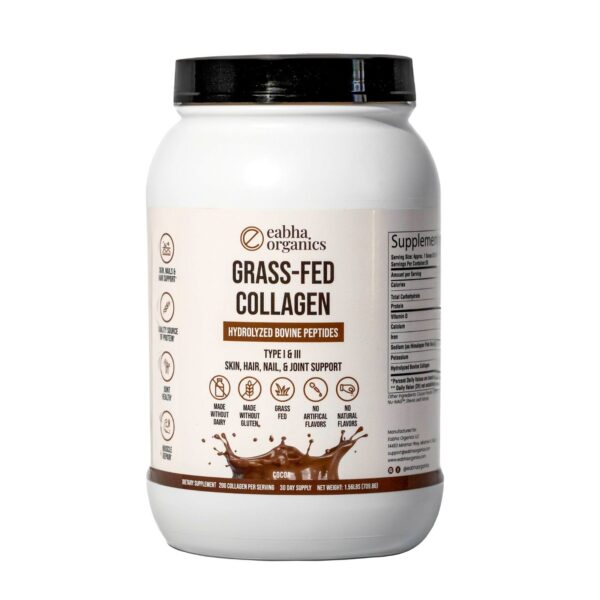
At Eabha Organics, our Grass-Fed Collagen provides 20 grams of hydrolyzed bovine collagen peptides per serving and is made without artificial flavors or unnecessary harsh additives.
The goal isn’t to suggest that everyone needs collagen. It’s simply another option for people who decide it fits their personal wellness goals.
What About Pre-Workout?
Pre-workout is another example of a supplement that isn’t necessary—but can be useful for certain people.
You don’t need pre-workout to have a productive workout.
Energy, strength, and fitness can be developed through consistent training, adequate nutrition, quality sleep, and proper recovery.
However, some people choose pre-workout because they enjoy the additional energy and focus it can provide before exercise.
For example, someone who trains after a long workday may appreciate having something that helps them feel more ready to train.
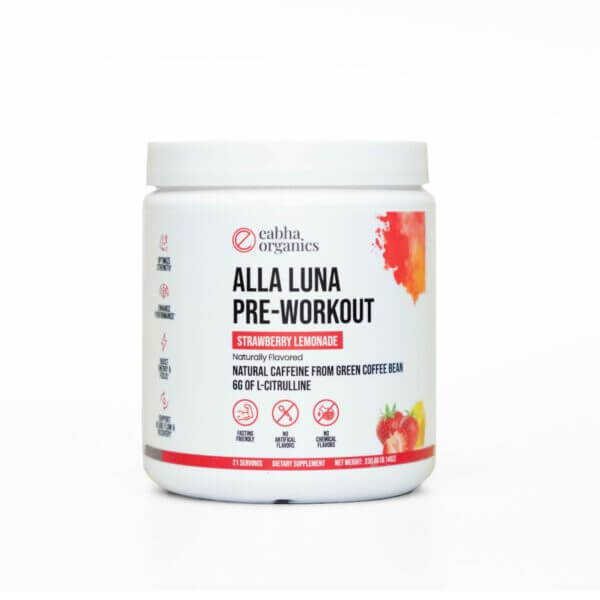
Alla Luna Pre-Workout is designed for people who want a convenient pre-workout option with a focus on clean, straightforward ingredients.
Again, it’s a tool, not a requirement.
How Do You Know If a Supplement Is Worth Taking?
Before adding a supplement to your routine, consider a few questions.
1. Do I actually need it?
Start with your diet, lifestyle, and goals.
If you’re already meeting your nutritional needs and don’t have a specific reason to supplement, you may not need another product.
2. Does it have evidence behind it?
Look for supplements and ingredients that have reasonable evidence supporting their intended use.
Be cautious of products making dramatic promises such as instant fat loss, overnight muscle growth, or guaranteed health improvements.
3. Is the ingredient label transparent?
A quality supplement should clearly tell you what you’re taking and how much you’re getting.
Avoid products that hide important information behind vague proprietary blends when possible.
4. Can I realistically use it consistently?
A supplement isn’t very useful if it sits unopened in your cabinet.
Choose products that fit naturally into your lifestyle and that you’re actually willing to use consistently.
Common Supplement Mistakes
One of the biggest mistakes people make is treating supplements as a shortcut.
Taking a multivitamin doesn’t compensate for eating poorly.
Taking protein powder doesn’t replace resistance training.
Taking pre-workout doesn’t replace sleep.
And taking collagen doesn’t replace a balanced diet or good skincare habits.
Supplements can support a healthy lifestyle, but they can’t build that lifestyle for you.
Another common mistake is taking too many products at once.
More supplements don’t automatically mean better results. In some cases, taking unnecessarily high doses can even be harmful.
If you’re unsure whether a supplement is appropriate for you—especially if you take medications or have a medical condition—talk with a qualified healthcare professional.
So, Do You Need Supplements If You Eat Healthy?
For many people, no, you don’t need supplements simply because you want to be healthy.
A nutritious diet should come first.
But supplements can still have a place in a healthy lifestyle when they serve a specific purpose.
You might use a supplement to fill a nutritional gap, make reaching a fitness goal more convenient, support a specific wellness goal, or simply make your routine easier to maintain.
The most important thing is knowing why you’re taking it.
At Eabha Organics, we believe supplements should complement a healthy lifestyle rather than replace it. That’s why we focus on simple formulas and ingredients that have a clear purpose.
Whether that means adding collagen to support your skin and connective tissue or using a pre-workout to help you feel more prepared for your training, the goal should always be the same:
Use supplements as tools—not shortcuts.
Eat well. Train consistently. Recover properly. And use supplements when they genuinely make sense for you.