Why Strength Training and Cardio Are Both Essential for Your Health
When it comes to fitness, one of the most common debates is whether strength training or cardio is more important. Many people choose one and ignore the other, thinking they only need to focus on fat loss or muscle building. However, understanding the true benefits of strength training and cardio shows that both are essential for long-term health, performance, and overall well-being.
Instead of treating them as separate or competing methods, the best approach is to understand how they work together. When combined properly, they create a complete fitness system that improves your body composition, heart health, metabolism, and longevity.
The Benefits of Strength Training and Cardio Together
The biggest mistake in fitness is believing you must choose between lifting weights and doing cardio. In reality, the benefits of strength training and cardio are maximized when both are included in your routine.
Strength training builds lean muscle mass, strengthens bones, and improves metabolic rate. Cardio improves heart and lung function, increases endurance, and helps with calorie burning. When combined, they create a balanced and sustainable fitness lifestyle.
This combination is what allows people not just to lose weight, but to maintain results long-term and improve overall quality of life.
Benefits of Strength Training
Strength training is one of the most powerful tools for transforming your body. One of the most important benefits of strength training is muscle growth. Muscle tissue is metabolically active, meaning it helps your body burn more calories even while at rest.
Another major benefit of strength training is improved metabolism. As you build more muscle, your resting metabolic rate increases, which makes weight management easier over time. This is especially important for long-term health and avoiding fat regain after weight loss.
Strength training also plays a critical role in bone health. As you age, bone density naturally decreases, but resistance training helps slow this process and can even increase bone strength. This reduces the risk of fractures and improves long-term mobility.
Additionally, strength training improves posture, joint stability, and functional strength. Everyday tasks like lifting, carrying, and moving become easier and safer. This is one of the most underrated benefits of strength training and cardio combined, especially for aging and injury prevention.
⸻
Benefits of Cardio
Cardio training focuses primarily on improving the efficiency of your heart, lungs, and circulatory system. One of the main benefits of cardio is increased cardiovascular health. A stronger heart means better oxygen delivery throughout the body, improved energy levels, and reduced risk of heart disease.
Another benefit of cardio is increased endurance. Whether you are running, walking, cycling, or doing sports, cardio improves your ability to sustain physical effort for longer periods of time without fatigue.
Cardio is also effective for calorie burning and fat loss. While strength training builds muscle, cardio helps create an energy deficit that can support weight loss when paired with proper nutrition.
Another often overlooked benefit of cardio is recovery. Light to moderate cardio can improve blood flow to muscles, helping reduce soreness and improve recovery between strength training sessions.
When looking at the benefits of strength training and cardio together, cardio also supports mental health by reducing stress and improving mood through endorphin release.
⸻
Why You Need Both Strength Training and Cardio
If you only focus on one type of training, you are limiting your results. The real benefits of strength training and cardio come from combining both into a structured routine.
If you only do cardio, you may lose weight, but you risk losing muscle mass over time. This can slow your metabolism and negatively affect body composition.
If you only do strength training, you may build muscle but miss out on important cardiovascular benefits such as heart health, stamina, and endurance.
Together, they create balance:
- Strength training builds your body.
- Cardio sustains your heart and energy systems.
This combination leads to better fat loss, improved muscle definition, higher energy levels, and better long-term health outcomes.
How to Structure Your Weekly Routine
A balanced fitness routine does not need to be complicated. A simple structure could look like this:
- 3–4 days of strength training
- 2–3 days of cardio
- 1–2 rest or active recovery days
Even walking daily can provide meaningful cardiovascular benefits when combined with consistent strength training.
The key is consistency, not perfection. Over time, this balance allows your body to adapt, improve, and stay injury-free.
Nutrition and Recovery Support Results
To fully experience the benefits of strength training and cardio, proper nutrition and recovery are essential. Your body needs protein, healthy fats, carbohydrates, hydration, and sleep to perform and recover effectively.
Protein is especially important for muscle repair and growth after strength training sessions. Without proper recovery, progress slows significantly, regardless of how hard you train.
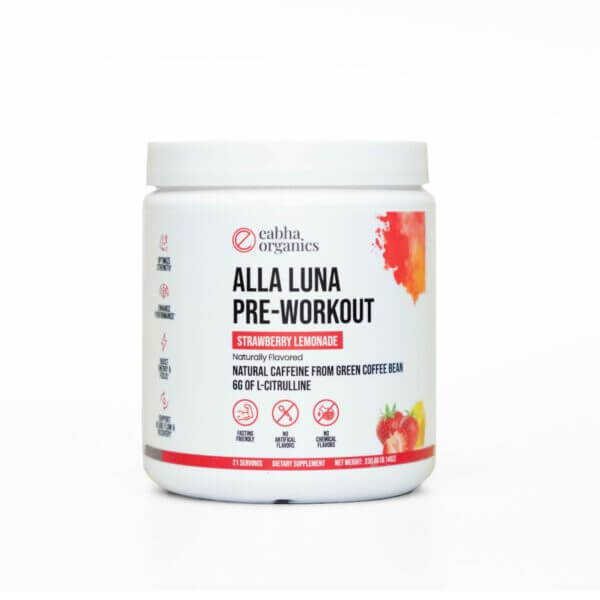
This is also where clean supplementation can support your routine. For example, products like grass-fed collagen or clean pre-workout formulas can help support recovery, energy, and consistency when training regularly.
⸻
Final Thoughts
The benefits of strength training and cardio go far beyond aesthetics. They improve your health, strength, energy levels, and long-term quality of life. Instead of choosing one over the other, combining both is the most effective approach for sustainable fitness results.
Strength training builds a stronger, more efficient body. Cardio builds a healthier, more resilient heart and cardiovascular system. Together, they create a complete foundation for lifelong health.
If your goal is to look better, feel better, and perform better, the answer is simple: you need both strength training and cardio.
Talk Soon