

5 Natural Ways to Relieve a Headache
When a headache strikes, it’s natural to want relief as quickly as possible. The good news is that some simple habits may help ease headache pain,

Feeling exhausted all the time, struggling to get out of bed, or finding it harder to handle everyday stress?
You may have come across the term “adrenal fatigue” while looking for an explanation.
The term is commonly used online to describe a collection of symptoms that people associate with prolonged stress, including fatigue, difficulty sleeping, low energy, and trouble concentrating.
But there’s an important distinction to understand: adrenal fatigue is not a medically recognized diagnosis.
There is no established medical test that can diagnose “adrenal fatigue,” and research has not shown that everyday stress causes the adrenal glands to simply become “fatigued” and stop producing enough hormones.
That doesn’t mean your symptoms aren’t real.
Persistent fatigue and other symptoms can have many possible causes, including sleep problems, nutritional deficiencies, thyroid conditions, anemia, medication effects, mental health conditions, and other medical issues.
Understanding what the adrenal glands actually do can help put the idea of adrenal fatigue into perspective.
Your adrenal glands are two small glands that sit on top of your kidneys.
Despite their size, they play an important role in several essential processes throughout the body.
The adrenal glands produce hormones including cortisol and aldosterone, while the inner portion of the glands produces hormones such as adrenaline and noradrenaline.
These hormones help regulate processes involving stress responses, blood pressure, metabolism, electrolyte balance, and other functions.
Cortisol
Cortisol is one of the body’s primary stress hormones.
It helps regulate metabolism, blood pressure, immune activity, and the body’s response to physical and psychological stress.
Cortisol naturally follows a daily rhythm, generally being higher in the morning and gradually decreasing throughout the day.
Stress can influence cortisol levels, but that doesn’t mean chronic stress causes the adrenal glands to become “worn out.”
Aldosterone
Aldosterone helps regulate sodium and potassium levels and plays an important role in maintaining blood pressure and fluid balance.
Your body carefully regulates this hormone because maintaining the right balance of fluids and electrolytes is essential for normal function.
People who use the term adrenal fatigue may describe symptoms such as:
These symptoms are real, but they don’t specifically point to adrenal fatigue.
Many different conditions can cause the same symptoms.
For example, consistently feeling exhausted could be related to inadequate sleep, anemia, thyroid problems, depression or anxiety, certain medications, nutritional deficiencies, or simply not getting enough food or recovery around a demanding lifestyle.
That’s why it’s important not to assume that your adrenal glands are the problem based on symptoms alone.
No.
The Endocrine Society and other medical organizations do not recognize adrenal fatigue as an established medical diagnosis.
There is currently no scientifically validated test that can determine whether someone has “adrenal fatigue.”
This distinction matters because labeling unexplained symptoms as adrenal fatigue can potentially delay finding the actual cause.
That doesn’t mean stress isn’t important.
Long-term stress can affect sleep, mood, appetite, energy, and many other aspects of health. It just doesn’t mean that the adrenal glands become physically exhausted from producing cortisol.
This is where the terminology becomes especially important.
Adrenal insufficiency is a real medical condition.
Unlike the concept of adrenal fatigue, adrenal insufficiency occurs when the adrenal glands don’t produce enough of certain hormones, particularly cortisol.
One form is Addison’s disease, an autoimmune condition that can damage the adrenal glands.
Other causes of adrenal insufficiency include certain medications, problems affecting the pituitary gland, and damage to the adrenal glands.
Symptoms can include:
These symptoms can overlap with many other health problems, which is why proper medical evaluation is important.
If symptoms are severe, worsening, or interfering significantly with your daily life, speak with a healthcare professional rather than assuming they’re caused by “adrenal fatigue.”
Not necessarily.
Cortisol testing is useful in specific medical situations, particularly when a healthcare professional suspects a condition involving cortisol production.
But there isn’t a validated cortisol test that can diagnose the internet concept of adrenal fatigue.
Cortisol levels also naturally change throughout the day, which means interpreting a result requires context.
If you’re experiencing persistent fatigue or other concerning symptoms, a healthcare professional can decide whether testing is appropriate and which tests make sense based on your symptoms and medical history.
Even though you can’t “fix adrenal fatigue,” there are several habits that can support energy, recovery, and overall health.
1. Prioritize Consistent Sleep
Sleep plays a major role in energy, mood, concentration, and physical recovery.
Rather than focusing on hitting an exact number of hours every night, aim for a consistent sleep schedule and enough sleep to feel rested.
Adults generally need at least 7 hours of sleep per night, although individual needs vary.
If you regularly have trouble falling asleep, staying asleep, or waking up feeling rested, it’s worth addressing the underlying sleep problem rather than simply blaming your adrenal glands.
2. Eat a Balanced Diet
Your body needs adequate calories, protein, carbohydrates, fats, vitamins, minerals, and fluids to function properly.
Instead of searching for a special “adrenal fatigue diet,” focus on a balanced eating pattern built around foods such as:
There is no specific food that has been shown to cure adrenal fatigue.
3. Don’t Automatically Avoid Caffeine
Caffeine isn’t inherently bad, but it can affect sleep and may make some people feel more anxious or jittery.
If caffeine is interfering with your sleep or making you feel worse, reducing your intake or avoiding it later in the day may help.
There’s no medical requirement for everyone to completely eliminate caffeine because of “adrenal fatigue.”
4. Make Time for Recovery
If you’re constantly working, training, sleeping poorly, and rarely taking time to recover, it’s normal to eventually feel run down.
Regular movement is beneficial, but so is recovery.
Walking, spending time outdoors, pursuing hobbies, relaxing with friends, practicing mindfulness, or simply giving yourself time away from work can all be reasonable ways to manage everyday stress.
5. Make Sure You’re Meeting Your Nutritional Needs
Certain vitamins and minerals are essential for normal energy metabolism and other bodily functions.
For example, magnesium, vitamin B12, iron, and folate all play important roles in the body.
However, taking large amounts of supplements isn’t automatically better.
If you’re concerned about a nutritional deficiency, it’s better to discuss your diet and symptoms with a healthcare professional rather than taking a large number of supplements based on an online “adrenal fatigue” protocol.
There isn’t a supplement that has been scientifically established to cure adrenal fatigue because adrenal fatigue itself isn’t a recognized medical condition.
You may see supplements marketed specifically for “adrenal support,” often containing combinations of vitamins, minerals, herbs, or glandular ingredients.
Be cautious about products that promise to restore your adrenal glands, balance cortisol, or cure chronic fatigue.
If you actually have adrenal insufficiency, supplements marketed for general adrenal support are not a substitute for medical treatment.
Nutritional supplements can have a role when they help address a genuine nutritional need, but they shouldn’t be used as a replacement for diagnosing the underlying cause of persistent symptoms.
Occasional tiredness is normal, especially after a stressful week, poor night’s sleep, hard training session, or busy period of life.
Persistent or unexplained symptoms deserve more attention.
Consider speaking with a healthcare professional if you have ongoing fatigue, unexplained weight changes, persistent dizziness, fainting, significant changes in blood pressure, recurring nausea or vomiting, or symptoms that are interfering with your normal activities.
If you experience severe weakness, confusion, severe vomiting, fainting, or other sudden and serious symptoms, seek urgent medical attention.
The goal isn’t simply to determine whether you have “adrenal fatigue.”
It’s to figure out why you’re feeling the way you do.
The Bottom Line
The term adrenal fatigue symptoms is widely used online, but adrenal fatigue is not a recognized medical diagnosis, and there is no validated test for it.
Your adrenal glands are important organs that produce hormones involved in stress responses, blood pressure, metabolism, and fluid balance. But everyday stress doesn’t simply cause them to become “exhausted.”
If you’re dealing with persistent fatigue or other symptoms, look beyond the adrenal fatigue label.
Prioritize sleep, eat a balanced diet, stay active, make time for recovery, and address stress in healthy ways. Most importantly, if symptoms persist or concern you, work with a healthcare professional to determine what’s actually causing them.
Your symptoms are worth taking seriously — even when the label you’ve found online isn’t medically established.
When a headache strikes, it’s natural to want relief as quickly as possible. The good news is that some simple habits may help ease headache pain,
If you’re trying to lose weight, you probably think about your diet, your workouts, and how many calories you eat. But there’s another factor that matters: how much you move throughout the day.
GLP-1 is a natural hormone that helps regulate blood sugar and appetite. Some medications mimic its effects, helping people feel full, eat less, and manage certain health conditions.
The ketogenic diet has become popular among people who want to lose body fat, improve their health, or change their body composition. By cutting carbohydrates and eating more fat, the goal is to get the body to rely more heavily on fat for fuel.
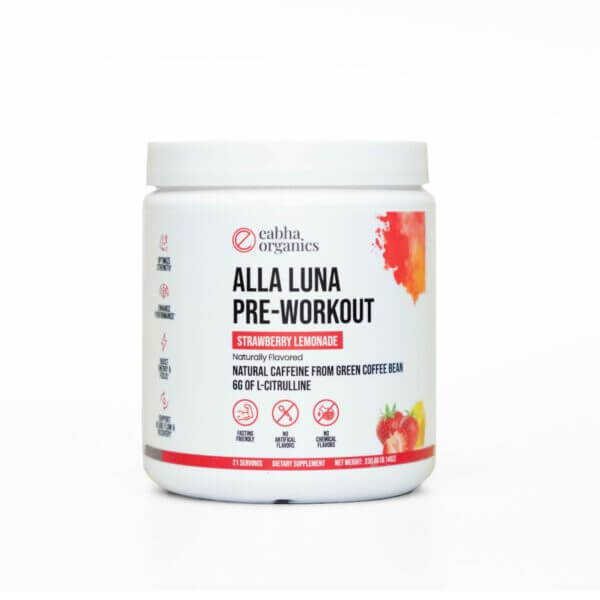
Whether you’re getting ready for a workout, heading out for the evening, or simply need a little extra energy and focus during the day, Alla Luna was designed to be a versatile part of your routine.
At Eabha Organics, collagen is one of our favorite protein supplements. Not because we believe it’s the only protein you need or that it’s better than every other option, but because collagen offers something different.