Hormone Imbalance Symptoms: 7 Signs to Know
Hormones play an important role in almost every part of your body. They help regulate your metabolism, reproductive health, sleep, mood, energy, and many other essential functions.
Because hormones influence so many different processes, changes in hormone levels can sometimes show up in ways that are easy to overlook.
But there’s an important distinction to make: experiencing one of these symptoms does not automatically mean you have a hormone imbalance. Many of the same symptoms can have several different causes.
So, what are some common hormone imbalance symptoms, and when should you consider talking with a healthcare professional?
Let’s take a closer look.
What Is a Hormone Imbalance?
Hormones are chemical messengers produced by glands and tissues throughout your body. They travel through your bloodstream and help coordinate processes such as metabolism, reproduction, growth, mood, and sleep.
A hormonal imbalance generally means that your body is producing too much or too little of a particular hormone.
However, hormones naturally rise and fall throughout the day and throughout different stages of life. Pregnancy, puberty, menopause, certain medications, stress, and various health conditions can all affect hormone levels.
That’s why it’s difficult to determine whether you have a hormone imbalance based on symptoms alone. A healthcare professional may need to look at your symptoms, medical history, and, when appropriate, perform testing to determine what’s actually causing them.
1. Irregular or Changed Menstrual Cycles
One of the more noticeable signs of a possible hormonal issue is a change in your menstrual cycle.
Your cycle doesn’t have to be exactly 28 days to be healthy. Cycle length can naturally vary, and what’s normal can differ from person to person.
However, if your periods suddenly become much more irregular, unusually heavy, very light, or stop altogether, it’s worth paying attention.
Irregular periods can have many possible causes, including pregnancy, stress, significant changes in weight, hormonal contraception, excessive exercise, PCOS, and thyroid conditions.
Tracking your menstrual cycle can help you recognize changes in your normal pattern and give your healthcare provider useful information if you need to discuss your symptoms.
2. Unexplained Weight Changes
Unexpected changes in body weight can sometimes be associated with hormone-related conditions.
For example, thyroid disorders can affect metabolism and may contribute to changes in weight, while other endocrine conditions can also affect appetite, energy expenditure, and how your body stores fat.
But weight gain or weight loss is not automatically a sign of a hormone imbalance.
Changes in calorie intake, activity levels, stress, sleep, medications, and many other factors can affect body weight as well.
If you’re experiencing unexplained or persistent changes in your weight despite no major changes to your diet or activity, it’s worth discussing them with a healthcare professional.
3. Hair Thinning or Hair Loss
Noticing more hair in your brush or shower can be concerning, but hair loss has many potential causes.
Hormonal changes can contribute to hair loss in certain situations. For example, changes associated with pregnancy, menopause, thyroid disorders, PCOS, or other conditions can affect hair growth.
But genetics, nutritional deficiencies, medications, stress, illness, and other factors can also play a role.
This is another reason why it’s better to investigate the underlying cause rather than automatically assuming that hair loss means your hormones are “out of balance.”
If you’re experiencing sudden or significant hair loss, talk with a healthcare professional or dermatologist.
4. Mood Changes, Anxiety, or Irritability
Hormones can influence the brain and nervous system, which means hormonal changes can sometimes affect mood.
Some hormone-related conditions may be associated with symptoms such as anxiety, irritability, or depression.
At the same time, mood changes are extremely common and can have many causes, including stress, sleep deprivation, life circumstances, medications, and mental health conditions.
Rather than assuming that anxiety or depression is caused by a hormone imbalance, persistent or worsening symptoms should be discussed with a qualified healthcare professional.
5. Trouble Sleeping
Your hormones and sleep are closely connected.
Hormones help regulate your sleep-wake cycle, and hormonal changes during certain stages of life can affect sleep.
For example, some women notice changes in their sleep around menstruation or during menopause.
However, poor sleep can also result from stress, an inconsistent sleep schedule, caffeine, medications, sleep disorders, and many other factors.
If you’re consistently struggling to fall asleep, stay asleep, or feel rested, don’t automatically assume your hormones are the cause.
It’s worth looking at your overall sleep habits and speaking with a healthcare professional if the problem persists.
6. Changes in Energy or Sex Drive
Changes in energy levels or libido can sometimes occur alongside hormonal changes.
Reproductive hormones play an important role in sexual development, reproduction, and sexual function. Thyroid hormones and other hormones can also influence energy and overall well-being.
But again, there isn’t one simple explanation.
Poor sleep, stress, relationships, medications, nutrition, mental health, and numerous medical conditions can all affect energy and sex drive.
A persistent or significant change is worth discussing with your healthcare provider rather than trying to diagnose the cause yourself.
7. Acne and Other Skin Changes
Hormonal fluctuations can influence oil production in the skin, which is one reason hormonal changes can sometimes contribute to acne.
This can happen during puberty, menstruation, pregnancy, menopause, and with certain hormonal conditions.
Hormonal changes aren’t the only cause of acne, though. Genetics, skincare products, medications, and other factors can contribute as well.
If you’re suddenly experiencing persistent acne or other unexplained skin changes, a dermatologist or healthcare professional can help determine what’s going on.
The Big Picture: Symptoms Don’t Tell the Whole Story
It’s easy to see a list of hormone imbalance symptoms online and assume that checking several boxes means your hormones must be out of balance.
But the reality is more complicated.
Fatigue, weight changes, hair loss, mood changes, sleep problems, irregular periods, and acne can all have multiple possible causes.
That’s why it’s better to think of these as potential signs worth paying attention to, rather than proof that a specific hormone is too high or too low.
Your healthcare provider can help determine whether further evaluation or testing makes sense based on your symptoms.
What Can Affect Your Hormones?
Hormone levels naturally change throughout your life.
Some factors that can influence hormone production or function include:
- Puberty
- Pregnancy
- Menopause
- Stress
- Certain medications
- Changes in body weight
- Excessive exercise
- Thyroid disorders
- PCOS and other reproductive conditions
- Certain endocrine or autoimmune conditions
Maintaining healthy habits such as regular physical activity, a balanced diet, adequate sleep, and stress management can support overall health, including healthy endocrine function.
However, lifestyle habits aren’t a substitute for medical treatment when a specific hormonal condition is present.
Can Supplements Support Hormonal Health?
There are many supplements marketed specifically for “balancing hormones.”
It’s important to be cautious with these claims.
A supplement shouldn’t be presented as a cure for a hormone disorder or as a replacement for appropriate medical care. The right approach depends on what’s actually causing the symptoms.
At Eabha Organics, we believe supplements should complement a healthy lifestyle rather than replace it.
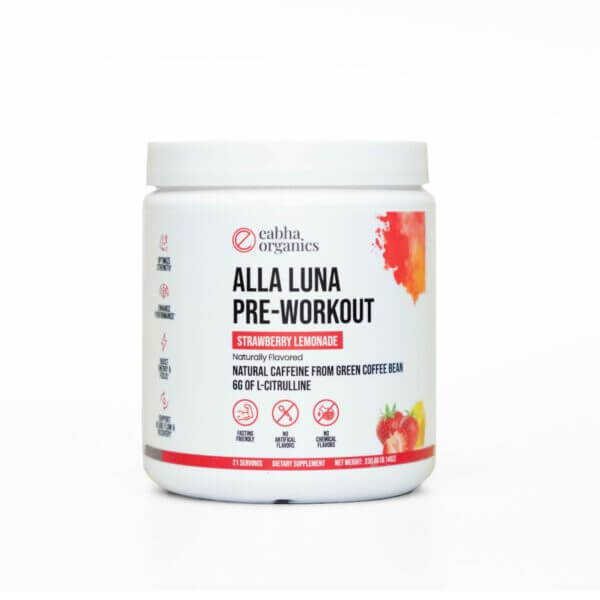
Our Total Balance formula was created as a nutritional supplement for people looking to support their overall wellness and hormonal health as part of a balanced lifestyle.
We focus on straightforward formulas and purposeful ingredients rather than making exaggerated promises about what a supplement can do.
If you’re experiencing persistent symptoms that concern you, speak with a healthcare professional before assuming that a supplement is the answer.
When Should You Talk to a Healthcare Professional?
Consider speaking with a healthcare professional if you notice new, persistent, or significant changes in your health, especially if you experience:
- Periods that suddenly become irregular or stop
- Unexplained or significant weight changes
- Persistent fatigue
- Sudden or significant hair loss
- Persistent mood changes
- Ongoing sleep problems
- Significant changes in libido
- Difficulty becoming pregnant
- Multiple symptoms that appear together
A healthcare professional can help determine whether hormones are involved or whether another condition may be responsible.
The Bottom Line
Hormone imbalance symptoms can look very different from person to person because hormones influence so many different functions throughout the body.
Changes in your menstrual cycle, weight, hair, mood, sleep, energy, libido, or skin can sometimes be associated with hormonal changes — but they can also have many other explanations.
The most important thing is not to self-diagnose based on a checklist of symptoms.
Pay attention to changes in your body, track patterns when helpful, maintain healthy lifestyle habits, and talk with a healthcare professional when symptoms are persistent or concerning.
And if you’re looking for a supplement to complement your overall wellness routine, choose one with transparent ingredients and realistic claims — not one that promises to “fix” all of your hormones.



2 Responses